


Defining Your Collecting Goals with Custom Checklists
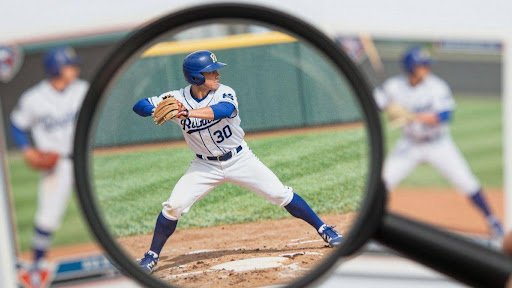
Creating a sports card checklist is the first step for any collector looking to buy smarter. It helps define what you’re actually looking for. Instead of just browsing aimlessly, a custom checklist focuses your hunt. This means you know exactly which cards you need to complete a set, find a specific player’s rookie cards, or build a rainbow of a particular player. Having this clear list stops impulse buys and keeps your collecting focused.
Think of your sports card checklist as a roadmap. It shows you where you’re going and what you need to get there. This approach makes the whole process more organized. You can track which cards you have and which ones are still missing. This makes the entire collecting journey more manageable and less overwhelming. A well-made checklist is key to smart acquisitions.
A good checklist acts as your personal guide in the vast world of sports cards. It helps you stay on track with your collecting goals. Without one, it’s easy to get sidetracked by shiny new cards that don’t really fit your long-term plan. Using a sports card checklist ensures every purchase moves you closer to your desired collection.
Tracking Progress and Visualizing Achievements
Once you have your custom sports card checklist, the next step is tracking your progress. Seeing how far you’ve come is a big motivator. Most checklist tools offer ways to mark cards as acquired. This visual feedback shows you exactly which cards you still need. It turns a daunting task into a series of achievable steps.
Visualizing your progress can make a big difference. Seeing a list fill up or a progress bar move forward provides a sense of accomplishment. This is especially helpful when working on large sets or complex collecting goals. It breaks down the big picture into smaller, more manageable wins. This keeps you engaged and excited about continuing your collection.
Regularly updating your checklist and seeing your progress grow can be incredibly rewarding. It reinforces the idea that you are actively building something meaningful.
Importing and Exporting Checklist Data
Flexibility is important when managing your sports card checklist. The ability to import and export data makes this much easier. You might start with a simple spreadsheet or get a list from a friend. Being able to import this data into a dedicated checklist tool saves a lot of time. It means you don’t have to re-enter everything manually.
Exporting your checklist data is also useful. It allows you to back up your progress. You can also share your lists with others or use the data in different applications. This ensures your hard work is saved and accessible. It adds another layer of control over your collecting information. A sports card checklist with import/export functions is a practical tool for any serious collector.
Essential Pre-Purchase Due Diligence
Evaluating Seller Reputation and Platform Security
Before any money changes hands, it’s smart to check out who you’re dealing with. A seller’s reputation is a big deal in the sports card world. Look for feedback that’s mostly positive, especially comments related to sports card sales. If a seller mostly deals in car parts and suddenly has a rare baseball card, that’s a bit of a warning sign. Stick to platforms and sellers that have a solid track record for security and reliability. This helps avoid potential scams and ensures a smoother transaction.
Verifying Card Condition and Authenticity
What you see isn’t always what you get, so pay close attention to the card’s condition. Photos can sometimes hide flaws. Look for any signs of wear, like edge damage, surface scratches, or print defects. If you’re buying a raw card (one that isn’t graded), be extra careful. For graded cards, make sure the condition described matches the grade on the slab. Authenticity is key; a fake card, no matter how nice it looks, is worthless. Always be wary of deals that seem too good to be true.
Confirming Certification Numbers with Grading Companies
For cards that have been professionally graded, there’s an extra layer of verification. Major grading companies like PSA, Beckett, and SGC provide online tools to check a card’s certification number. This number is unique to each graded card. By entering it into the grading company’s website, you can confirm that the card is legitimate and matches the details of its grading. This step is vital because scammers can sometimes tamper with slabs or create fake labels to pass off counterfeit or lower-graded cards as genuine. Always take a moment to perform this check; it’s a simple way to protect yourself from fraud and ensure you’re buying what you think you are.
Strategic Budgeting and Value Assessment
Adhering to Your Pre-Defined Budget
Setting a budget is the first step in smart sports card collecting. It stops impulse buys and keeps the hobby fun. Without a budget, it’s easy to overspend, especially when chasing rare cards. A clear budget acts as a guide, helping collectors stay focused on their goals. This prevents financial strain and ensures the collecting experience remains enjoyable.
Researching Sold Listings for Accurate Comps
Before buying any card, checking what similar cards have actually sold for is key. This means looking at sold listings, not just asking prices. Sold data gives a real picture of market value. This research is vital for understanding a card’s true worth. It helps collectors avoid overpaying and identify good deals. A sports card checklist can help track these values.
Determining Your Maximum Bid or Buy-It-Now Price
Once you know a card’s market value, decide your absolute limit. This is your maximum bid or buy-it-now price. Stick to this number, no matter how tempting it is to go higher. This disciplined approach protects your budget and prevents emotional decisions. It’s a practical application of your research and budgeting efforts. A sports card checklist can help you record these limits.
Building a Cohesive and Valuable Collection
Assessing How a Card Fits Your Existing Collection
When building a collection, it’s easy to get caught up in the excitement of new releases or chasing rare cards. However, a truly strong collection is one where each piece has a purpose. Think about how a new card connects with what you already own. Does it add to a player’s career progression, a specific team’s history, or a particular set’s narrative? A well-curated collection tells a story, making each acquisition feel intentional rather than random. This thoughtful approach helps avoid clutter and ensures your collection grows with a clear identity.
Prioritizing Quality Over Quantity in Acquisitions
It’s often said that quality trumps quantity in collecting, and this holds very true for sports cards. Owning a few high-grade, significant cards can be far more impactful than possessing a large number of lower-condition or less important pieces. Focus on finding the best version of a card you can afford, even if it means waiting a bit longer. A single, pristine rookie card or a rare insert will always stand out more than a stack of common cards. This strategy builds a collection that is not only visually appealing but also holds its value better over time.
Balancing Modern Cards with Vintage Pieces
Many collectors find great satisfaction in blending cards from different eras. Modern cards often feature vibrant designs, advanced printing techniques, and unique parallels, bringing a fresh energy to a collection. On the other hand, vintage cards offer a connection to the hobby’s roots and a sense of history. A smart collector might pair a sought-after modern insert with a classic card from the 1950s or 60s. This mix creates a dynamic collection that showcases the evolution of sports card design and appeals to a broader range of interests, making your collection more interesting to explore and share.
The Role of Community and Expert Advice
Seeking Insights from Fellow Collectors
Collecting sports cards can feel like a solo mission sometimes, but it really doesn’t have to be. Talking with other collectors is a smart move. You can pick up tips on where to find certain cards, learn about grading nuances, or even get a heads-up on upcoming releases. Don’t underestimate the power of community knowledge. It’s like having a built-in research team. You might find yourself asking for a second opinion on a card’s condition or its potential value. This kind of shared wisdom is hard to put a price on.
Leveraging Community-Driven Checklists
Checklists are great, but community-driven checklists take things up a notch. Imagine finding a list created by someone who’s already deep into collecting a specific player or set you’re interested in. These lists can highlight rare variations or specific cards you might not have known existed. They often come with notes or insights from the creator, offering a shortcut to understanding a particular collecting niche. Using these shared resources can really speed up your progress and help you discover new collecting avenues.
Building Relationships within the Hobby
Building connections with other collectors goes beyond just getting advice. It’s about becoming part of something bigger. Attending card shows, joining online forums, or even participating in local card shop events can lead to trades, friendships, and sometimes, the discovery of that one card you’ve been hunting for years. These relationships can turn a hobby into a shared passion. Remember, a strong community often means better access to information and opportunities.
Organizing and Protecting Your Sports Card Investments
Implementing a System for Card Organization
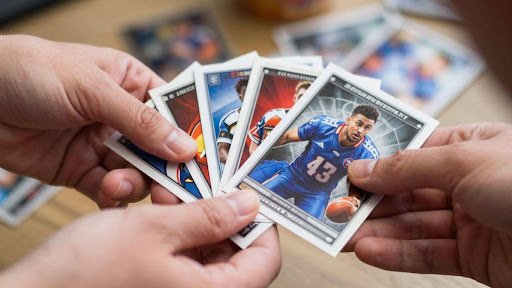
Keeping your sports cards tidy is more than just neatness; it’s about preserving their condition and value. A good system makes it easy to find what you’re looking for, whether it’s for a trade, a sale, or just to admire. Think about how you want to access your collection. Do you prefer sorting by player, by set, or by year? Having a clear plan from the start stops things from becoming a jumbled mess later on.
Start simple. Penny sleeves are a must for any raw card. For more valuable or delicate cards, consider top loaders or Card Savers. These offer a bit more rigidity and protection against bends. Labeling storage boxes clearly is also a big help. You can use simple stickers or a marker to denote the contents, like “1990s Inserts” or “LeBron James Rookies.” This organization is key to smart collecting.
A well-organized collection is a collector’s best friend. It saves time, prevents damage, and makes the entire hobby more enjoyable. Don’t underestimate the power of a good system.
Utilizing Proper Protection for Raw and Graded Cards
Protecting your sports cards is non-negotiable. Raw cards, those not yet graded, need immediate attention. A simple penny sleeve is the first line of defense against surface scratches. For cards you plan to hold onto or those with higher value, a rigid top loader or a Card Saver provides extra support and prevents creasing. These basic supplies are inexpensive but make a huge difference in maintaining a card’s condition.
Graded cards, often called slabs, come in hard plastic cases that offer excellent protection. However, even these need care. Store graded cards upright in labeled boxes or display cases to prevent them from falling or scratching against each other. Keep them in a cool, dry environment away from direct sunlight, which can fade colors over time. Proper protection is vital for any sports card investment.
Regularly Reviewing and Refining Your Collection
Your collection isn’t static; it should evolve with your interests and market changes. Periodically, take time to go through your cards. This review process helps you identify which pieces still align with your collecting goals and which might be better suited for sale or trade. It’s a chance to curate your collection actively, rather than just letting it accumulate. Using sports card checklists can make that review process more precise by helping you verify set details, card numbers, parallels, inserts, and key rookies before deciding what to keep, sell, or trade.
Consider setting a schedule for these reviews, perhaps every six months or annually. As you refine your collection, you might find opportunities to upgrade lower-grade cards to higher ones or to sell duplicates that no longer serve a purpose. This ongoing assessment is a smart way to manage your sports card investments and keep your collection focused and meaningful.
This regular check-in helps you stay on top of your collection’s health and value. It’s about making sure every card you own contributes to the story you want your collection to tell. Refining your collection ensures it remains a source of pride and potential value.
Wrapping Up Your Card Hunt
So, using checklists for sports cards isn’t just about ticking boxes. It’s about making smarter choices. Whether you’re building a set, hunting for a specific player, or just trying to keep your spending in check, having a plan helps. It stops you from buying things you don’t really need or paying too much. Think of it like having a map for your collecting journey. It keeps you on track, helps you avoid detours, and ultimately leads to a collection you’re really happy with, without all the buyer’s remorse. Happy collecting!
