


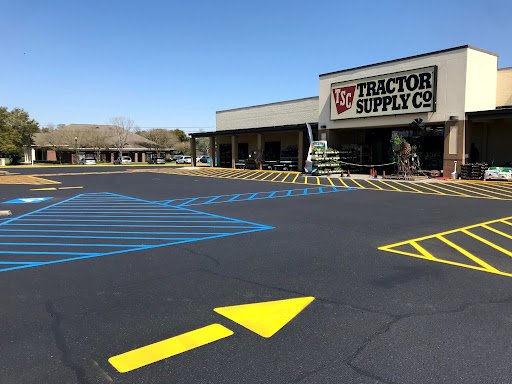
Property owners and facility managers often view asphalt as a static product—a one-time purchase of blacktop that should simply exist without intervention. However, in the high-stakes world of commercial and residential infrastructure, successful pavement management requires shifting your perspective from a “commodity” mindset to a “service-oriented” lifecycle. Effective paving isn’t just about the day the steamrollers finish their last pass; it is about the decade of structural integrity and safety that follows. By understanding the science of pavement preservation, you can transform a depreciating asset into a durable, long-term investment that maintains its value against the elements.
The Foundation of Pavement Performance: Site Engineering and Base Stability
Before a single ton of hot-mix asphalt is laid, the success of the project is decided by what lies beneath the surface. Many misconceptions exist regarding “thin” vs. “thick” asphalt, but the reality is that the sub-base dictates the lifespan of the surface. A professional approach to paving begins with rigorous soil analysis and grading. Without a compacted, well-drained rock base, even the highest-grade asphalt will succumb to “rutting” or structural “alligator cracking” within just a few seasons.
Water is the primary antagonist of asphalt. When the sub-base is improperly graded, moisture becomes trapped, weakening the foundation and leading to the ninety percent of potholes that originate from subsurface infiltration. Modern engineering standards now emphasize the importance of a six-inch compacted rock base to ensure efficient drainage. This level of preparation is what separates a standard driveway from a high-performance surface capable of withstanding heavy traffic and thermal stress.
Strategic Timing: The Pavement Preservation Window
The most common mistake in property management is waiting for a visible failure before calling for service. This reactive approach is significantly more expensive than proactive preservation. Think of asphalt like a biological skin; it requires “hydration” and protection from UV rays to remain flexible. Oxidation begins the moment asphalt is exposed to the air, causing the bitumen—the glue that holds the rocks together—to become brittle and grey.
The “preservation window” typically opens between months six and twelve of a new installation. Applying an initial sealcoat during this timeframe blocks chemicals and UV rays, effectively doubling the service life of the surface. When you work with a reputable team like Pelagic Paving, the focus is on identifying these critical milestones to prevent oxidation from turning into deep-seated structural damage. Scheduling regular maintenance every two to three years ensures the asphalt remains dark, supple, and resistant to the micro-cracking that eventually invites water into the base.
The Mechanics of Modern Asphalt Innovation
The asphalt industry in 2026 has moved toward smarter, more resilient materials designed for climate fluctuations. We are seeing a significant rise in the use of Warm-Mix Asphalt (WMA) and high-resistance polymers. These innovations allow for more precise compaction at lower production temperatures, which prevents the micro-cracking that occurs when traditional hot-mix cools too quickly during the installation phase.
Additionally, the integration of Reclaimed Asphalt Pavement (RAP) has turned paving into one of the most sustainable industries in the construction sector. Modern mixes utilize recycled materials without sacrificing the “skid resistance” or load-bearing capacity of the pavement. For a commercial property, this means receiving a product that is both environmentally responsible and engineered to handle the increased thermal stress of rising global temperatures, ensuring the surface doesn’t soften or deform under heavy summer loads.
Proactive Crack Management and Liability Mitigation
Small cracks are the early warning signs of a failing system. In a humid or high-rainfall climate, even a hair-line fracture can act as a funnel for water to reach the sub-base. Once the moisture reaches the foundation, the freeze-thaw cycle or simple soil erosion begins to hollow out the support beneath the asphalt. This leads to depressions and, eventually, the liability nightmares of potholes and uneven walking surfaces.
Prompt crack filling is perhaps the most cost-effective “as-a-service” product a property owner can invest in. By addressing these small breaches early, you maintain the “envelope” of the pavement. Beyond structural health, maintaining a smooth surface is a critical part of risk management. Uneven pavement increases the likelihood of trip-and-fall incidents, which can lead to medical claims and skyrocketing insurance premiums. A professional Paving Contractor will evaluate the specific drainage patterns of your lot to ensure that water is directed away from high-traffic pedestrian zones, mitigating both physical risk and legal liability.
Decoding the Financial Benefits of Lifecycle Planning
Many property managers focus exclusively on the upfront cost of installation, but the true value of paving lies in the “Total Cost of Ownership” (TCO). A neglected parking lot may require a complete tear-out and reconstruction after only twelve to fifteen years. Conversely, a lot that follows a professional maintenance schedule can easily push its lifespan toward thirty years or more.
Smart budgeting involves treating asphalt as a predictable, manageable expense rather than a series of emergency repairs. By phasing maintenance work—such as sealcoating one half of a lot this year and the other half next year—managers can limit tenant disruption and spread out capital expenditures. This steady investment prevents the sudden, massive bills that strain cash flow when a neglected surface finally collapses. When you view pavement as a vital part of your property’s infrastructure, the return on investment is realized through higher property valuations and lower long-term repair costs.
Common Misconceptions: Asphalt vs. Concrete
A frequent debate among developers centers on whether asphalt or concrete provides better long-term value. While concrete is often praised for its rigidity, asphalt offers a level of flexibility that is essential in areas with shifting soil or fluctuating temperatures. Asphalt is “viscoelastic,” meaning it can bend slightly under heavy loads without fracturing, whereas concrete is more prone to cracking under the same stress.
Repairs to asphalt are also significantly faster and less intrusive. A damaged section of a parking lot can be milled and overlaid in a single afternoon, allowing a business to resume operations with minimal downtime. Concrete repairs often require lengthy curing times and total section replacements. In the context of “Business Continuity,” the speed and adaptability of asphalt make it the superior choice for high-traffic environments where every hour of closure translates to lost revenue.
Actionable Takeaways for Property Resilience
To ensure your pavement remains a functional asset rather than a liability, follow these practical steps:
- Conduct Annual Inspections: Walk your property every spring to check for new cracks or areas of standing water.
- Prioritize Drainage: Ensure that catch basins are clear and that water is not pooling near the edges of the pavement.
- Stick to the 3-Year Rule: Plan for sealcoating and restriping every 24 to 36 months to maintain the binder’s flexibility.
- Manage Heavy Loads: Be mindful of heavy delivery trucks or dumpsters that may be exceeding the weight capacity of your specific asphalt mix.
By treating your pavement with the same care as your building’s roof or HVAC system, you protect the financial value of the property. Professional paving isn’t just about the aesthetics of a fresh black surface; it’s about the engineering, the timing, and the consistent management of a complex structural system.
