


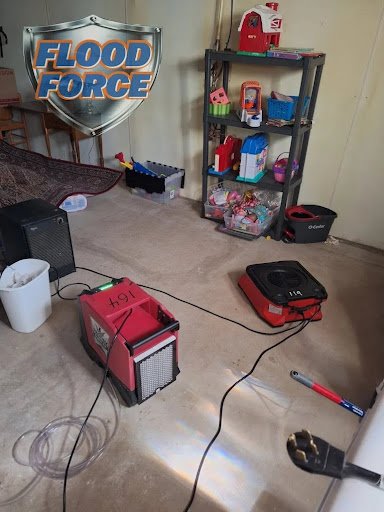
Water intrusion fundamentally alters the structural equilibrium of a building. Whether stemming from sudden severe weather moving through the Miami Valley or a silent, prolonged plumbing failure, property owners facing Dayton’s water damage challenges must act with precision. Time is the critical variable; within hours, manageable moisture escalates into permanent material degradation. Understanding the science of water mitigation transforms a chaotic emergency into a systematic recovery process. This guide unpacks the mechanics of water damage, breaking down professional restoration methodologies and offering actionable strategies to protect building materials from irreversible decay.
The Mechanics of Moisture: How Water Compromises Structural Integrity
When water escapes its intended pathways, it immediately seeks equilibrium with its surrounding environment. This process, driven by capillary action, allows moisture to travel vertically against gravity through porous building materials. Drywall, an inherently absorptive material, wicks moisture upward at an alarming rate, drawing water into the wall cavity where it becomes trapped between the interior paint and exterior vapor barriers. As the gypsum core saturates, it loses its structural integrity, crumbling and failing entirely if not addressed promptly.
Hardwood flooring presents a different, yet equally complex, set of challenges. When water permeates the seams of hardwood planks, the wood absorbs the moisture and expands. Because the planks are installed tightly together, this expansion has nowhere to go but upward, resulting in the characteristic cupping or crowning often seen following severe water exposure. Subflooring underneath can also swell, delaminate, or warp, compounding the physical deformation of the finished floor. Understanding these physical reactions is critical because it highlights why superficial drying techniques are almost entirely ineffective.
Water damage is further categorized by its source and contamination level. Clean water from a supply line rupture poses primarily structural threats initially. However, gray water from appliance overflows or black water containing biological hazards introduce immediate health risks and accelerate material degradation. Regardless of the source, time remains the ultimate adversary. Within forty-eight hours, even the cleanest water begins to support microbial growth as it stagnates and interacts with organic building materials, shifting the mitigation focus from simple extraction to comprehensive biohazard remediation.
Immediate Response Strategies for Property Preservation
The initial reaction to significant water intrusion dictates the trajectory of the entire restoration process. Prioritizing safety must always precede any attempts at material recovery. Standing water combined with active electrical circuits creates an immediate, life-threatening hazard. Shutting off the main power to the affected area from a dry, safe location is the mandatory first step. Concurrently, identifying and arresting the source of the water—whether by closing a localized shutoff valve or terminating the main municipal supply—halts the continuous introduction of moisture into the environment.
Once the area is secured and the source is contained, the focus shifts to rapid extraction. Removing the physical bulk of the water mechanically is exponentially more efficient than relying on evaporation. Professional-grade submersible pumps and weighted extraction tools are deployed to physically pull water from carpets, padding, and hard surfaces. Removing standing water rapidly halts the primary phase of destruction. Every gallon of water removed through direct extraction drastically reduces the overall drying time and minimizes the evaporative load placed on dehumidification equipment later in the process.
Simultaneously, property owners should execute immediate triage on sensitive contents. Elevating furniture on high-density foam blocks prevents water from wicking up wooden legs and prevents wood stain from permanently bleeding into wet carpeting. Removing loose items, particularly paper goods, electronics, and fabrics, prevents secondary damage to these items and clears the physical space required for extensive mitigation equipment. Documentation during this phase is equally critical; capturing comprehensive photographic evidence of the standing water and initial damage establishes a clear, undeniable record for subsequent insurance claims.
Dispelling Pervasive Myths About Moisture Removal
Misinformation surrounding water damage recovery frequently leads property owners to make decisions that exacerbate their losses. The most persistent and damaging myth is the reliance on liquid bleach to combat microbial growth on porous materials. Bleach is an aqueous solution, meaning it is primarily composed of water. When applied to porous surfaces like wood or drywall, the chlorine component evaporates rapidly from the surface, while the remaining water soaks deep into the material. This inadvertently provides the exact moisture source required to feed the deeper mycelial roots of the mold, often resulting in a much more aggressive resurgence days later.
Another common misconception is the “dry to the touch” fallacy. Building materials can feel completely dry on the surface while harboring significant moisture internally. Relying on tactile sensation rather than quantitative measurement almost guarantees that pockets of trapped moisture will remain undetected. These hidden reservoirs slowly deteriorate structural framing, degrade insulation efficiency, and provide a continuous breeding ground for mold behind walls and under floors. True drying verification requires calibrated instruments that measure the moisture content deep within the substrate.
Finally, many assume that turning up the building’s HVAC heating system will resolve the issue. While heat does increase the rate of evaporation, without aggressive and controlled dehumidification, that evaporated moisture simply raises the relative humidity of the indoor air. This high-humidity environment causes the moisture to condense on cooler surfaces elsewhere in the building, effectively spreading the water damage from a localized spill into a systemic, whole-structure issue known as secondary damage.
The Science of Structural Drying and Dehumidification
Mitigation transcends the simple act of placing a few consumer-grade fans in a wet room. True structural drying is a precise science grounded in the principles of psychrometry—the study of the thermodynamic properties of moist air. Professionals utilize these principles to manipulate temperature, humidity, and airflow, creating an optimal environment for rapid evaporation while preventing secondary damage. The goal is to establish a vapor pressure differential, encouraging moisture to move from the wet building materials into the surrounding air, where it can be effectively captured and removed.
This process requires a synchronized deployment of highly specialized equipment. Low Grain Refrigerant (LGR) dehumidifiers are far superior to standard residential units. They are engineered to operate efficiently in low-humidity environments, continuing to pull moisture from the air even as the relative humidity drops. Desiccant dehumidifiers may be utilized for particularly stubborn materials like dense hardwoods or concrete, utilizing chemical silica gels to absorb moisture and achieve extraordinarily low vapor pressures. Proper equipment sizing and placement are calculated mathematically based on the volume of the space and the specific materials affected.
Air movers play an equally vital role by disrupting the boundary layer of heavily saturated air that naturally forms just above wet surfaces. By constantly replacing this humid layer with drier air expelled by the dehumidifiers, evaporation rates are maximized. Relying on specialized expertise like that provided by Flood Force ensures that hidden moisture pockets are thoroughly addressed and that the drying trajectory is continuously monitored. Technicians track progress using thermal imaging cameras to identify temperature anomalies associated with evaporative cooling, alongside penetrating and non-penetrating moisture meters to log quantitative data until the materials return to their baseline equilibrium moisture content.
Mitigating Secondary Damage and Health Hazards
When primary water damage is not resolved comprehensively, secondary damage inevitably follows. This occurs when excess humidity in the air causes structural or aesthetic degradation in areas that were never directly touched by the initial water intrusion. One of the earliest signs of secondary damage is the swelling of hygroscopic materials. Cabinet doors may begin to bind, doors might fail to latch properly as the jambs expand, and acoustic ceiling tiles may sag or visibly deform as they absorb moisture directly from the humid air.
Beyond structural deformation, prolonged elevated humidity creates ideal conditions for corrosion and chemical degradation. Metal fasteners, structural connectors, and electrical components can begin to oxidize rapidly. Insulation materials, particularly fiberglass batts, can become saturated with condensation, causing them to compress and lose their thermal resistance. This hidden degradation compromises the energy efficiency of the building long after the visible water has been removed, highlighting the necessity of aggressive humidity control during the mitigation phase.
The most severe consequence of delayed or incomplete mitigation is microbial amplification. Mold spores are omnipresent in indoor and outdoor environments, requiring only moisture, an organic food source, and appropriate temperatures to colonize. Within building envelopes, these conditions are easily met following a water event. As colonies mature, they digest the building materials—breaking down the cellulose in drywall paper and structural framing. Furthermore, the metabolic processes of these organisms release volatile organic compounds, producing the characteristic musty odor associated with water damage and potentially compromising the indoor air quality for the occupants.
Proactive Measures for Infrastructure Resilience
While rapid response is critical post-incident, implementing proactive defense mechanisms significantly reduces a property’s vulnerability to severe water intrusion. A robust exterior water management system is the first line of defense. Gutters and downspouts must be meticulously maintained and sized correctly to handle the torrential downpours characteristic of intense weather systems. Downspout extensions should discharge water at least six feet away from the foundation, preventing hydrostatic pressure from building against basement walls and forcing moisture through microscopic cracks in the concrete.
Interior plumbing systems require equal vigilance. Routine inspection of supply lines—particularly those feeding washing machines, dishwashers, and ice makers—can identify bulging or brittle hoses before they fail catastrophically. Upgrading from standard rubber hoses to steel-braided supply lines offers a relatively inexpensive yet highly effective safeguard against the most common sources of interior flooding. Furthermore, installing localized leak detection sensors in high-risk areas can provide immediate alerts the moment moisture is detected, allowing for rapid intervention.
For properties with basements or subterranean levels, a reliable sump pump system is non-negotiable. However, a primary pump alone is insufficient if the localized power grid fails during a severe storm. Installing a battery-backup sump pump system ensures continuous operation during electrical outages. Additionally, incorporating a water-powered backup pump—which utilizes municipal water pressure to evacuate the sump pit—provides a fail-safe redundancy that operates independently of the electrical grid entirely, offering profound peace of mind and tangible structural protection.
