


Why Farmers Use Rotary Tedders for Better Crop Aeration
What Is A Hay Tedder?
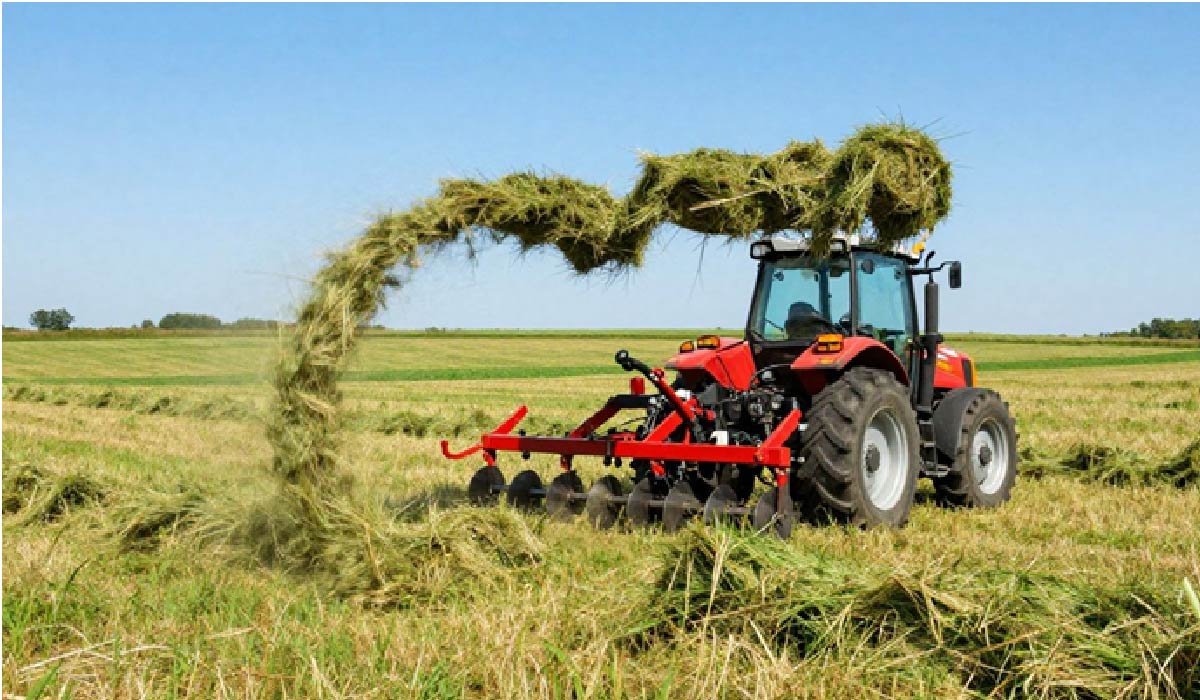
A hay tedder is a piece of farm equipment that farmers use to help dry cut hay faster. It works by lifting and spreading the cut grass, or hay, evenly across the field. This action allows air and sunlight to reach all sides of the hay, which speeds up the drying process. Using a hay tedder is a smart way to get better quality hay.
This process is important because faster drying means less chance for mold and spoilage to develop in the hay. When hay dries quickly and evenly, it keeps more of its nutritional value. This makes it better feed for livestock. A tedder is a key tool for making good hay.
How A Tedder Differs From A Hay Rake
A hay rake and a hay tedder do different jobs in the haymaking process. A hay rake is used to gather the dried hay into neat rows, called windrows. These windrows make it easier to pick up the hay with a baler. The rake’s main job is collecting.
On the other hand, a tedder’s job is to spread and fluff the cut hay. It aerates the hay, helping it dry faster. While a rake collects, a tedder prepares the hay for drying by spreading it out. Both tools work together to make haymaking more efficient.
The main difference is simple: rakes gather, tedders spread. Understanding this distinction helps farmers use their equipment effectively for optimal hay quality and faster drying times. A tedder is not a rake, and vice versa.
The Mechanics Of A Tedder Machine In Action
Selecting The Right Tedder For Your Farm
Choosing the correct tedder is the first step. Think about your farm’s size. Smaller places might do well with a simpler, smaller model. Bigger farms, though, will need something more robust, something that can cover a lot of ground quickly. Look at the design of the tines and how they spin. Adjustable speed settings are a big plus. This lets you change how the machine works based on the crop and the weather. Getting the setup right means you’ll get good results every time, whether the grass is a bit damp or already pretty dry.
Operating The Tedder For Optimal Results
Using a tedder isn’t complicated, but you need to pay attention. Drive slowly across your fields. The tines should gently lift and spread the cut hay. This lets air and sun get to all of it, speeding up drying. You want to fluff the hay so it’s even and doesn’t clump. If the hay is wetter, you might need to go a bit slower. This helps make sure it gets enough air. Proper operation of the tedder is key to faster drying and keeping the hay’s nutrients.
Post-Use Care For Your Tedder Machine
After you’re done, take care of your tedder. This means checking the tines for any damage and making sure all the moving parts are clean and maybe greased. Store it somewhere dry to stop rust. Keeping your tedder in good shape helps it last longer and work better season after season. A well-maintained tedder is a reliable tedder.
Regular maintenance and proper storage are not just good practices; they are vital for the longevity and effectiveness of your tedder machine. Neglecting these steps can lead to costly repairs and reduced performance, impacting your entire haymaking process.
Key Benefits Of Using A Tedder Machine
Accelerated Drying Times For Hay
Farmers often find that using a tedder machine significantly speeds up the drying process for their cut hay. By lifting and scattering the crop, the tedder exposes more of the plant material to sunlight and air. This increased exposure means moisture evaporates much faster than if the hay were left in thicker swaths. Faster drying is a direct path to more efficient haymaking.
This rapid drying is not just about saving time; it’s about preserving the quality of the forage. When hay dries quickly, it spends less time susceptible to environmental degradation. The hay tedder plays a vital role here, ensuring that the entire crop gets a chance to dry evenly, reducing the chances of damp spots that can slow down the whole operation.
Ultimately, the ability of a tedder to accelerate drying times translates into tangible benefits for the farm. It allows for quicker baling, which means the crop is protected from potential weather changes sooner. This efficiency in drying is a primary reason many farmers rely on this piece of equipment.
Reduced Risk Of Mold And Spoilage
One of the most significant advantages of using a tedder machine is its role in preventing mold and spoilage. Damp hay is a breeding ground for fungi and bacteria, which can ruin an entire harvest. The tedder’s action of fluffing and spreading the hay creates an environment where moisture can escape easily, making it much harder for these undesirable organisms to take hold.
When hay dries uniformly and quickly, the risk of mold forming within the bale is drastically reduced. This is particularly important for farmers who need to store their hay for extended periods. A well-aerated and properly dried crop is less likely to develop mold, which not only degrades the feed quality but can also be harmful to livestock.
By incorporating a tedder into the haymaking process, farmers are actively mitigating the risks associated with moisture. This proactive approach helps protect the investment made in growing and harvesting the crop, leading to a more reliable and higher-quality end product for animal consumption.
Enhanced Nutritional Value Of Feedstock
The way a tedder machine impacts the nutritional value of hay is another major benefit. When hay dries quickly and evenly, it retains more of its essential nutrients. Prolonged exposure to moisture and slow drying can lead to a loss of vitamins, proteins, and other beneficial compounds that livestock need.
By speeding up the drying process, the tedder helps to lock in the nutritional content of the forage. This means that the hay produced is not only safer to feed but also more beneficial for the animals’ health and productivity. The hay tedder is thus a tool that contributes directly to the quality of the feed being provided.
Farmers who prioritize the nutritional quality of their feed often find that using a tedder is a non-negotiable step. It’s a way to ensure that the hard work put into cultivating the crop results in the best possible outcome for their livestock, making the investment in this machinery well worth it.
Efficiency And Cost-Effectiveness Of Tedder Machines
Streamlining Haymaking Operations
A hay tedder really changes how fast you can get hay made. Instead of waiting days for things to dry, a tedder fluffs up the cut grass, letting air and sun get to it quicker. This means you can bale sooner. It’s not just about speed, though. It’s about making the whole process smoother. Less waiting around means more time for other farm jobs. For farms with lots of fields, this efficiency boost from a tedder is a big deal. It helps get more done with the same amount of work.
Think about it: faster drying means less chance of rain ruining your crop. You get the hay baled when it’s good, not when you’re forced to because it’s about to rain. This kind of efficiency is what makes a tedder a smart investment for any farmer. It cuts down on the time you spend in the field, which is money saved. The tedder helps you get your hay ready for storage or sale faster, making your whole operation run better.
The ability to speed up drying times directly translates to lower labor costs and reduced fuel consumption. When hay dries faster, you don’t need to run tractors for as long, and your workers aren’t tied up in the field for extended periods. This streamlined operation means you can handle more acreage or focus on other pressing tasks. The efficiency gained from using a tedder is a tangible benefit that impacts the bottom line.
Minimizing Chemical Preservative Use
Using a tedder can also mean you don’t need to rely as much on chemical preservatives. When hay dries naturally and quickly, it retains more of its nutrients. This natural drying process, aided by the aeration provided by the tedder, reduces the need for artificial additives. It’s a more natural way to preserve your forage.
Farmers who use a tedder often find they can produce higher-quality hay without adding extra chemicals. This is good for the animals that eat the hay and good for the environment. The tedder helps achieve this by making sure the hay dries evenly and quickly, which is the best way to keep its nutritional value intact. It’s a win-win situation.
Relying on natural drying methods, facilitated by equipment like a tedder, is becoming increasingly popular. It aligns with a desire for more sustainable farming practices and produces a healthier end product.
Long-Term Durability And Reliability
When you buy a piece of farm equipment, you want it to last. Modern tedders are built tough. They are made to handle the rough conditions of a farm, day in and day out. This means fewer breakdowns and less money spent on repairs over the years. A reliable tedder is a dependable partner in your haymaking process.
Investing in a good quality tedder pays off in the long run. Because they are built to be durable, they don’t need constant fixing. This reliability means you can count on your tedder to be ready when you need it, season after season. It’s a piece of machinery that works hard and keeps on working.
| Feature | Benefit | |
| Robust construction | Withstands tough field conditions | |
| Quality components | Reduces likelihood of breakdowns | |
| Simple design | Easier to maintain and repair |
This durability means that while the initial cost might seem significant, the long-term savings in repairs and replacements make a tedder a very cost-effective choice for any farm.
Optimizing Tedder Machine Performance
Getting the most out of your rotary tedder isn’t just about buying the right machine; it’s about using it smart. This means paying attention to the details, like how fast it’s spinning and what the hay actually feels like. A little adjustment here and there can make a big difference in how quickly your hay dries and how good it ends up being.
Adjusting Speed Settings For Crop Conditions
Speed settings on your tedder are not one-size-fits-all. Think of it like shifting gears on a bike. When the hay is really wet, you want to go slower. This gives the tines time to gently lift and spread the material without clumping it up. Too fast, and you risk damaging delicate grasses or creating dense mats that take forever to dry. As the hay dries out, you can often increase the speed to get a more thorough fluffing and faster overall drying. Always check the hay’s moisture level and how it’s lying in the field before deciding on the speed. A good rule of thumb is to start slower and speed up if needed.
Ensuring Even Spreading And Fluffing
Even spreading is the name of the game for quick, uniform drying. You want the tedder to lift the hay and toss it lightly, creating a fluffy layer. This exposes more of the plant material to the sun and air. If you see clumps or areas where the hay is still lying flat, your tedder isn’t doing its job properly. This could be due to speed, but also how you’re driving the tractor. Try to maintain a steady pace and overlap your passes slightly. The goal is to have every bit of cut grass get a good airing out. A well-fluffed swath dries much faster and more evenly than a matted one.
Adapting To Varying Moisture Levels
Moisture levels are probably the biggest factor when you’re out in the field with your tedder. Early in the morning, after dew, or after a rain shower, the hay will be significantly wetter. In these conditions, a slower tedder speed is your friend. It allows the machine to work the hay without compacting it. As the day goes on and the sun does its work, the hay will dry. You might find you can increase the tedder’s speed to speed up the process. It’s a constant assessment: feel the hay, look at the sky, and adjust your machine accordingly. This adaptability is key to making good hay, every time.
Common Pitfalls When Using A Tedder Machine
Avoiding Misaligned Speed Settings
One common mistake farmers make is not paying close enough attention to the speed settings on their tedder. Running the tedder too fast can cause the tines to beat down the hay rather than lift and spread it. This can lead to uneven drying and even damage to delicate forage. It’s important to adjust the speed based on the crop’s moisture level and field conditions. Wetter hay generally requires a slower speed to allow for proper aeration without compacting it.
The Importance Of Regular Maintenance
Neglecting regular maintenance is another pitfall that can shorten the lifespan of your tedder machine. Over time, dirt, debris, and lack of lubrication can cause wear and tear on moving parts. This can lead to breakdowns and costly repairs. Farmers should make it a habit to inspect the tines for damage after each use and lubricate the machine’s components regularly. A well-maintained tedder will perform better and last much longer.
Operating In Appropriate Weather Conditions
Finally, operating a tedder in the wrong weather can be a significant issue. Trying to tedder hay when it’s actively raining or the ground is saturated can cause more problems than it solves. The hay can become matted down, leading to uneven drying and increasing the risk of mold. It’s best to use the tedder on dry days with good airflow to achieve optimal results and produce high-quality feed.
Wrapping It Up
So, when you look at it all, using a rotary tedder really does make a big difference for farmers. It’s not just about making hay faster, though that’s a huge plus. It’s about getting better quality feed for the animals, which means healthier livestock and a more successful farm overall. By spreading the cut grass out and letting air get to it, you cut down on mold and make sure the hay dries evenly. This simple step can save time, reduce waste, and ultimately lead to a better product. It’s a piece of equipment that just makes good sense for anyone serious about hay production.
