


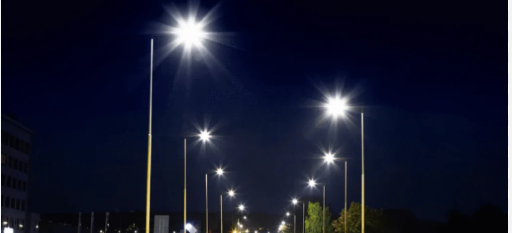
Street lighting is an essential component of today’s urban environment. It helps to make the roads safer for drivers, provides extra visibility for walkers, and contributes to a safer nighttime environment. Street lights, however, can use a great amount of electricity, too, so energy efficiency is an important concern for municipalities and businesses alike. One of the most important factors in designing an efficient lighting system is lighting power density (LPD). This concept could help decision makers to lower energy costs without compromising on the lighting level.
What Is Lighting Power Density?
Lighting power density (LPD) is a measurement relating the amount of electrical power consumed by a lighting system in a given area. It is usually measured in watts per square metre (W/m²) or watts per square foot (W/ft²).
Simply put, LPD indicates the energy efficiency of a lighting system for the purpose of lighting a particular area. A high LPD may suggest an unnecessary level of energy required for the lighting design, and a low LPD is more likely to represent a more energy-efficient design.
Government, building codes, and energy standards often impose limits on maximum LPD to promote sustainable lighting practices. The standards ensure adequate light levels for lighting systems with no unnecessary waste of electricity.
Why LPD Matters in Street Lighting
Street lighting systems are on for a lot of hours each night. Any energy efficiency gains, no matter how small, can achieve significant savings over time. Cities and organizations can more effectively manage their energy use and ensure safety and visibility through LPD.
Brightness and energy consumption are in balance for a well-designed street lighting system. Too little lighting can make roadways and walkways unsafe. Too high will waste energy and raise operating costs. By monitoring the LPD, designers can get the desired balance.
The lower LPD values also help to promote environmental sustainability. Lower energy use equates to lower carbon emissions, contributing to the larger goal of reducing the carbon footprint and fostering more sustainable communities.
The Role of LED Technology
The switch from conventional lighting sources to LED has greatly enhanced the efficiency of street lighting. Older lighting systems like high-pressure sodium and metal halide lamps can use more power and provide less effective light.
Compared to other types of street lights, LED lights generate a higher lumen per watt, which means that cities can illuminate their streets as effectively as they could with traditional lighting but use less energy. This has a direct impact on lighting power density (LPD) reduction and reduces the cost of operation over time.
Besides energy savings, LED fixtures can provide several other benefits:
- Longer lifespan
- Reduced maintenance costs
- Better light quality
- High visibility and colour rendering
- Instant start-up and dimming controls
These benefits make LED technology ideal for contemporary lighting projects in the public realm.
How LPD Impacts Energy Costs
One of the highest costs of street lighting is energy. With lights running for 10 to 12 hours each night, poorly designed systems can rack up high power bills.
For instance, two streets can achieve the same light level, but the street that has the lower LPD will use less energy over the year. These savings can add up to be substantial for hundreds or thousands of fixtures.
A lower LPD can help organizations:
| Benefit | Impact |
| Reduced electricity use | Lower utility bills |
| Lower maintenance needs | Reduced operational costs |
| Improved sustainability | Lower carbon footprint |
| Better compliance | Meets energy regulations and standards |
Planning for LPD from the design phase can help ensure that schemes are designed to be as efficient as possible without compromising on performance
Factors That Influence Lighting Power Density
The LPD of a street lighting system is influenced by a number of factors.
Fixture Efficiency
New LED fixtures are engineered to use less electricity and more of it for light. Typically, higher efficiency fixtures will have lower LPD.
Pole Spacing
Avoid placing lighting poles too close together, as this can cause uneven lighting and lead to the need for more fixtures.
Lighting Controls
Energy can be saved even more when lighting is controlled by smart controls, including dimming, motion, and other sensors.
Optical Design
Optics that are designed properly can focus light exactly where it needs to be. This minimizes wasted light and improves overall efficiency.
Partnering with an LED street light manufacturer who has extensive experience in the field can assist in maximizing energy savings and performance of these factors.
Choosing the Right Street Lighting Solution
The overall cost of the street lighting system is not the only consideration when choosing a system. The energy use, maintenance needs, and light standard are also critical factors.
The quality lighting solution must include:
- High luminous efficiency
- Low LPD values
- Reliable performance
- Long service life
- Smart control compatibility
- Compliance with local regulations
Energy-efficient lighting manufacturers who specialize in LED products may be able to make lighting calculations and provide design guidance to optimize the results. Future Trends in Energy-Saving Streetlights.
Future Trends in Energy-Efficient Street Lighting
Smart city technologies are becoming more and more the focus of the future of street lighting. Smart lighting systems are also becoming commonplace in many cities, which can automatically regulate the intensity of lights based on traffic conditions, weather conditions, and pedestrian activity.
These advances also bring down energy usage while keeping everyone safe. When used in conjunction with LED technology advancements in efficiency, smart controls can help reduce LPD and enhance overall system performance.
With the growing significance of sustainability goals globally, energy-efficient street lighting will remain a key factor in lowering energy consumption in urban areas and contributing to environmental initiatives.
Conclusion
Street lighting must be energy efficient to achieve a reduction in operating costs, enhance sustainability, and ensure public safety. Some of the most critical metrics that help meet these objectives are lighting power density (LPD), which is the efficiency of a lighting system based on the amount of electricity consumed per square foot.
Thanks to modern LED technology, it is more than possible to reduce energy consumption and still deliver high-quality lighting. With the right fixtures, lighting design, and a reliable LED street light manufacturer, cities and organizations can design an economical lighting solution that will provide a long-lasting benefit. Knowledge and control of LPD are crucial for smart, green, and efficient communities.
