


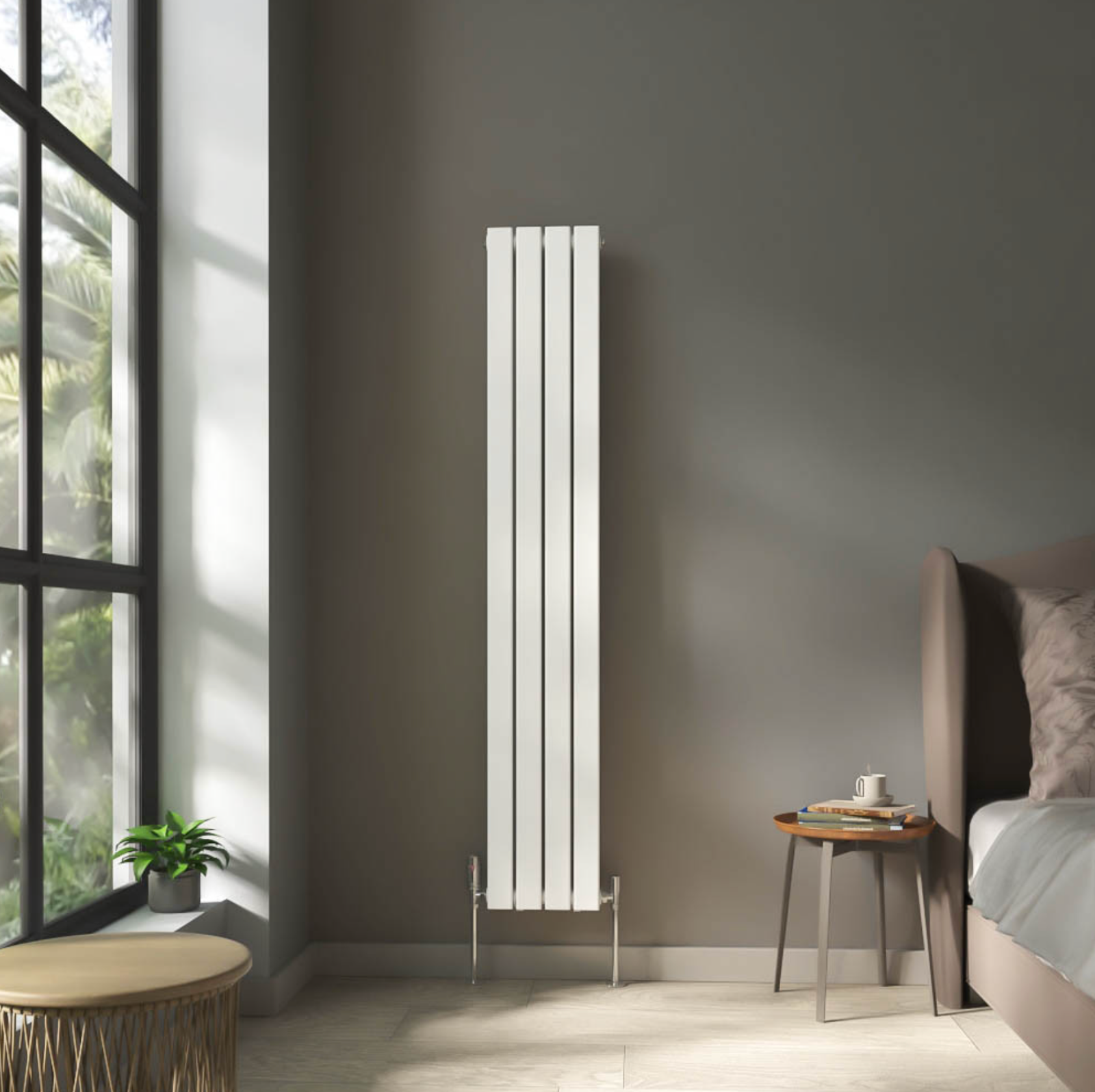
There’s nothing quite as frustrating as having a toasty living room whilst your bedroom feels like an icebox. Uneven heating is one of those problems that creeps up on homeowners, often going unnoticed until the cold weather truly sets in says Beyond Property Management team. The good news? You don’t always need to call out an engineer or fork out for a brand new heating system.
Most cases of patchy heating can be sorted with a bit of detective work and some straightforward fixes. Whether you’ve got a modern radiator or an older cast-iron model, the principles remain the same. Let’s walk through the common culprits and how you can tackle them yourself.
Why Does Uneven Heating Happen?
Before we jump into solutions, it helps to understand what’s going wrong. Your central heating system is designed to distribute hot water evenly throughout your home. When certain rooms stay cold, it usually means something is blocking or restricting that flow.
The most common causes include:
- Airlocks trapped in radiators
- Sludge buildup in the system
- Incorrectly balanced radiators
- Faulty thermostatic radiator valves
- Oversized or undersized radiators for the room
Sometimes it’s just one issue. Other times, you might be dealing with a combination of problems.
Start With the Basics: Bleed Your Radiators
If some radiators feel cold at the top but warm at the bottom, you’ve got trapped air. This is probably the easiest fix you’ll ever do.
Grab a radiator key from any hardware shop. Turn your heating on and let the system warm up. Once the radiators are hot, switch the heating off and wait about 30 minutes for things to cool down slightly.
Insert the key into the bleed valve at the top of the radiator. Turn it anticlockwise slowly. You’ll hear a hissing sound as air escapes. Keep a cloth handy because water will start to dribble out once all the air has gone. When you see a steady stream of water, close the valve.
Do this for every radiator in your home, starting from the ground floor and working your way up. You might need to top up your boiler pressure afterwards, so check your boiler’s pressure gauge.
Balance Your Radiators Properly
Here’s where many people get stuck. Balancing radiators means adjusting how much hot water flows to each one. The radiators closest to your boiler will heat up faster than those further away. Without balancing, those nearby radiators hog all the hot water.
Here’s how to balance your system:
- Turn off your heating and let everything cool down completely.
- Open all radiator valves fully. Turn the lockshield valves (the ones usually covered by a cap) anticlockwise as far as they’ll go.
- Switch your heating back on and note which radiator heats up first. This is usually closest to the boiler.
- Go to that first radiator and turn the lockshield valve clockwise until it’s nearly closed. Then open it about a quarter turn.
- Move to the next radiator that heated up. Close its lockshield valve, then open it about half a turn.
- Continue this pattern. Radiators further from the boiler should have their valves opened more than those nearby.
- Give the system a few hours to settle, then check room temperatures. You might need to tweak the valves slightly.
It takes a bit of patience, but balancing can transform your heating system’s performance.
Check for Sludge and Corrosion
Black sludge is the silent killer of heating systems. It’s a mixture of rust and debris that builds up over the years. This gunk settles at the bottom of radiators and pipes, blocking water flow.
Feel the bottom of your radiators when the heating is on. If they’re cold at the bottom but hot at the top, sludge is likely the culprit. You might also notice brown or black water when bleeding radiators.
For light sludge buildup, a radiator flush might do the trick. You can buy chemical cleaners that circulate through your system. However, for serious sludge problems, you’ll need a professional powerflush. It’s not cheap, but it’s often worth every penny for the improvement you’ll see.
Look at Your Thermostatic Radiator Valves
TRVs are those clever valves that control individual radiator temperatures. They’re brilliant when working properly, but can cause uneven heating when they fail.
Common TRV problems include:
- Stuck pins inside the valve
- Limescale buildup
- Broken thermostats
- Incorrectly fitted valves
If a radiator won’t heat up at all, try removing the TRV head. You’ll see a small pin underneath. Give it a gentle tap with a screwdriver handle. If it’s stuck, work it back and forth until it moves freely. Pop the TRV head back on and see if that sorts it.
TRVs can also fail electronically. If yours are the programmable type and aren’t responding, fresh batteries might be all you need.
Consider Radiator Size and Placement
Sometimes uneven heating isn’t about faults at all. Your radiators might simply be the wrong size for the rooms they’re in.
A tiny radiator in a large room will struggle to heat the space adequately. Similarly, radiators tucked behind sofas or blocked by thick curtains can’t circulate heat properly.
Calculate whether your radiators are up to the job. You’ll need to work out the room’s volume and factor in things like windows, external walls, and insulation. There are plenty of online calculators to help with this.
If your radiators are undersized, you might need to upgrade. Modern radiators are far more efficient than older models, so you could get better heating from the same size unit.
Don’t Forget Your Boiler
Whilst we’re focused on room-by-room issues, your boiler could be the root cause. If it’s struggling to maintain pressure or the pump is failing, no amount of radiator tweaking will help.
Check your boiler pressure gauge regularly. Most systems should sit between 1 and 1.5 bar when cold. If it’s constantly dropping, you might have a leak somewhere.
Listen to your boiler when it’s running. Banging, kettling, or gurgling sounds often point to problems. Annual servicing catches most issues before they become serious, so don’t skip that yearly check.
Room-by-Room Troubleshooting Tips
For bedrooms that stay cold: Check the TRV isn’t set too low. Make sure curtains aren’t blocking heat output. Consider if the radiator is big enough for the room size.
For bathrooms with poor heating: Smaller radiators are common in bathrooms. You might need a heated towel rail as well as a standard radiator. Check for damp, which can make rooms feel colder.
For extensions that never warm up: Newer additions might not be properly integrated into your heating system. The pipes might be too narrow or the radiators undersized. This often needs professional assessment.
When to Call a Professional
Some heating problems need expert help. If you’ve tried everything here and still have issues, it’s time to bring in a heating engineer.
You should definitely call someone if you notice water leaks, smell gas, see error codes on your boiler, or hear loud banging from the system.
Don’t be tempted to fiddle with the boiler internals yourself. Gas work must be done by Gas Safe-registered engineers. It’s the law, and it keeps you safe.
Fixing uneven heating usually comes down to a bit of maintenance and adjustment. Start with the simple stuff like bleeding radiators and checking TRVs. Work your way up to balancing the system if needed.
Most homeowners can handle these tasks with basic tools and a free afternoon. You’ll save a fortune on call-out fees and enjoy a properly heated home.
The key is being systematic. Sort one issue at a time and test the results before moving on. Before you know it, every room in your house will be equally cosy, and those cold spots will be a distant memory.
