


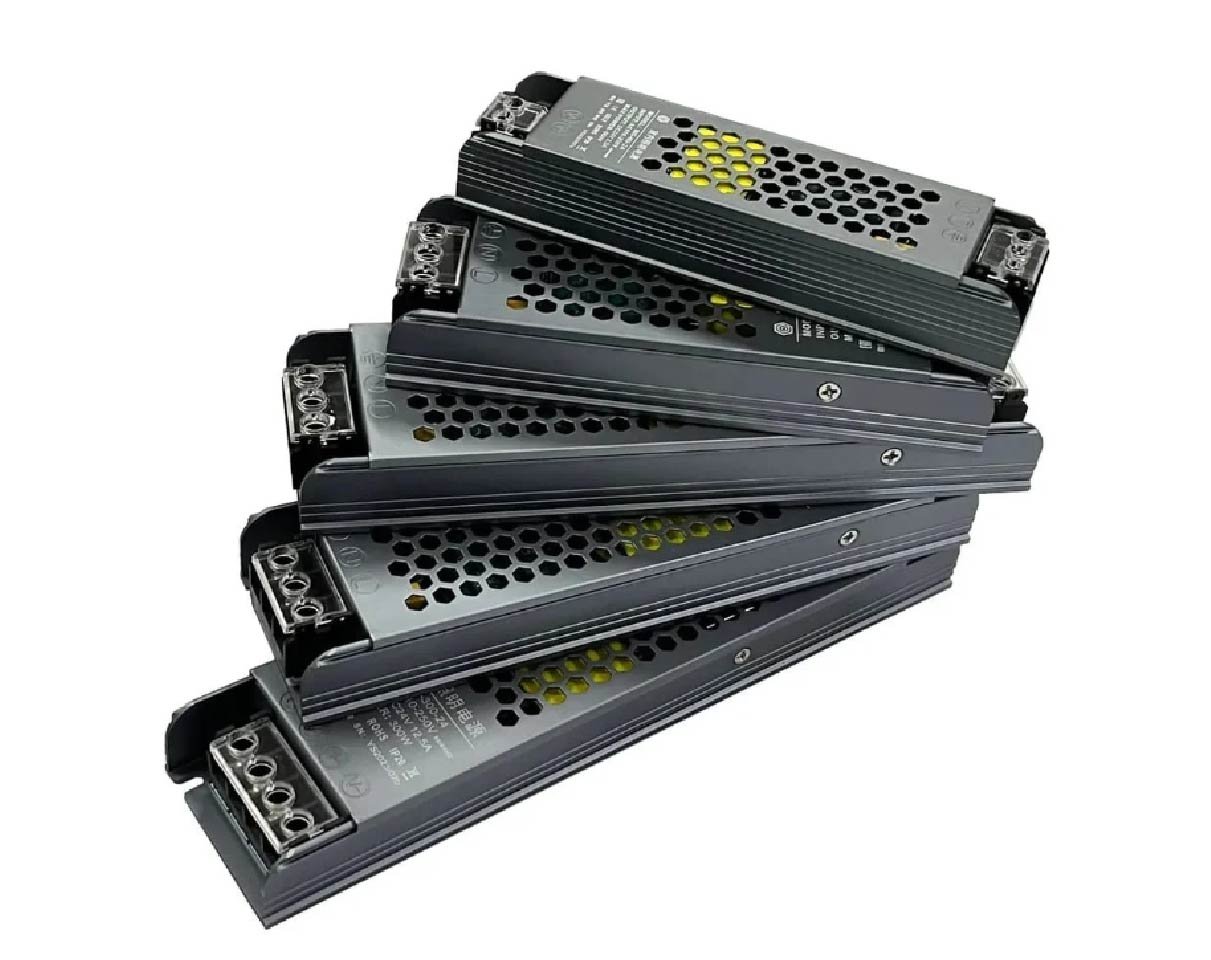
A reliable power supply is an essential part of an LED lighting system. It provides the electrical power required for LED products to operate, making compatibility and proper selection important for any installation. In outdoor, industrial, and moisture-prone environments, choosing a suitable waterproof power supply becomes particularly important. Businesses planning commercial lighting projects should consider electrical requirements, environmental conditions, installation arrangements, and product specifications before making a purchase.
When sourcing a Waterproof Power Supply buyers should look beyond the product price. Selecting a compatible unit can help create a more suitable lighting setup and reduce potential problems during installation.
Why Waterproof Power Supplies Matter
LED lighting systems are installed in a variety of environments. Some applications are located inside dry commercial buildings, while others are exposed to moisture, dust, and changing weather conditions.
In environments where water exposure is a concern, the power supply should be selected according to the installation requirements. A suitable waterproof design helps protect electrical components from environmental exposure, depending on its specified protection rating.
Common applications where buyers may consider waterproof power supplies include outdoor LED lighting, architectural installations, signage, and lighting systems installed in areas exposed to moisture.
However, not every waterproof product is suitable for every environment. Buyers should confirm the protection rating and installation conditions before selecting a unit.
Important Factors to Consider Before Buying
Choosing a power supply requires attention to several technical details. The following factors can help businesses evaluate available products.
1. Check Voltage Compatibility
Operating voltage is one of the first specifications to confirm. The power supply must match the input voltage required by the LED product.
For example, Dekingled’s LED product range includes models that operate at DC12V and DC24V. Buyers should check the exact requirements of their selected LED strip or lighting component before purchasing a power supply.
Using a unit with an incompatible output voltage can create problems for the lighting system. Therefore, voltage compatibility should always be confirmed through the product documentation.
2. Calculate the Required Power
Power capacity is another important consideration. The selected power supply should support the total electrical load of the connected LED products.
For example, Dekingled’s 5050-WW-300 LED strip has a maximum power rating of 72W, while its 2835 LED strip with 180 LEDs per meter has a maximum power rating of 48W.
These specifications demonstrate why buyers should calculate the total load before choosing a power supply. For installations involving multiple LED strips, the combined power requirements should be considered rather than evaluating only one section.
3. Consider the Protection Rating
Waterproof power supplies are intended for applications where environmental protection is important. However, buyers should not assume that all products provide the same level of protection.
The IP rating indicates the level of protection provided against dust and water. The required rating depends on where and how the unit will be installed.
Before ordering, businesses should request the product’s specific IP rating and check whether it matches the intended environment. Installation location, enclosure design, and exposure conditions should also be considered.
4. Evaluate Installation Requirements
Physical installation requirements can influence product selection. Buyers should consider the available mounting space, cable arrangements, ventilation requirements, and accessibility for maintenance.
For outdoor projects, the power supply should be installed according to the manufacturer’s instructions. Appropriate placement and installation practices are important for maintaining the intended protection of the unit.
Applications of Waterproof LED Power Supplies
Waterproof power supplies can be considered for different commercial and architectural lighting applications.
Outdoor LED Lighting
Outdoor lighting installations may be exposed to rain, moisture, and environmental changes. A power supply with an appropriate protection rating can be considered when planning these systems.
Architectural Lighting
Architectural projects often include lighting around building outlines, canopies, corridors, windows, and archways. Dekingled’s LED strip product information identifies these areas as common lighting applications.
When planning such installations, buyers should ensure that the power supply matches the electrical requirements of the selected lighting products and the environmental conditions.
Signage and Advertising Displays
LED lighting is also used in signage, advertising words, ultra-thin light boxes, and signboard backlighting. These installations require suitable electrical components to operate the lighting system.
The power supply should be selected according to the connected LED products, their total power consumption, and the installation arrangement.
Commercial and Decorative Installations
Shopping malls, retail stores, exhibition spaces, and decorative lighting projects may use different types of LED products. Depending on the environment, a waterproof power supply may be appropriate for certain installations.
Businesses should assess each project individually instead of selecting the same power supply for every application.
How to Select the Right Waterproof LED Power Supply
When evaluating a Waterproof Led Power Supply buyers should compare the technical information provided for each model.
A practical purchasing checklist includes:
Output voltage: Confirm that the power supply matches the LED product’s required voltage.
Power capacity: Calculate the total load of all connected LED products.
IP rating: Verify the actual protection level required for the installation.
Installation conditions: Check the mounting location and environmental exposure.
Product documentation: Request specifications and installation instructions.
Compatibility: Confirm that the selected unit is suitable for the intended LED lighting system.
These checks help businesses evaluate products more carefully and avoid choosing a unit based only on its advertised description.
What Wholesale Buyers Should Ask Suppliers
Businesses purchasing power supplies in larger quantities should establish clear communication with their suppliers before placing an order.
It is useful to ask about available models, technical specifications, order quantities, product availability, and delivery arrangements. Buyers should also request clarification whenever important electrical or protection details are missing.
For projects involving LED strips, modules, or other lighting components, providing the supplier with the exact product specifications can make compatibility discussions more productive.
A supplier that provides clear product information and technical assistance can help buyers make better-informed purchasing decisions.
Conclusion
Selecting a waterproof LED power supply requires careful consideration of voltage, power capacity, protection rating, installation conditions, and compatibility with the connected lighting products.
Whether the application involves outdoor lighting, architectural features, signage, or commercial displays, buyers should confirm the technical requirements before placing an order. Reviewing product documentation and discussing project needs with the supplier can help businesses choose a suitable power supply for their LED lighting systems.
