


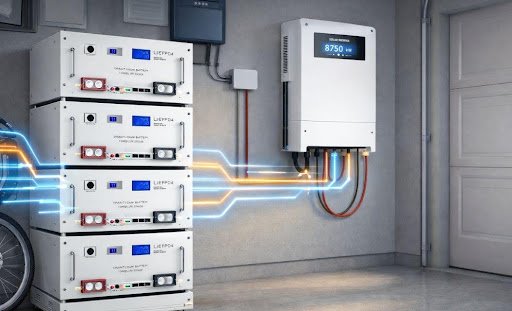
Solar energy adoption continues to accelerate across residential, commercial, and off-grid applications. However, generating electricity from solar panels is only half the solution. Efficient energy storage is what makes a system reliable, flexible, and financially smart. That is where a Rack-Mounted Battery for Solar Power Systems becomes essential.
Unlike wall-mounted units or bulky floor batteries, rack-mounted systems provide modular, scalable, and professional-grade storage. They are especially popular in homes with growing energy needs, hybrid systems, and commercial installations where reliability matters. In this complete guide, you will learn how rack-mounted solar batteries work, their benefits, sizing methods, installation requirements, lifespan expectations, and how to choose the right configuration in 2026.
What Is a Rack-Mounted Battery for Solar Power Systems?
A rack-mounted battery is a modular energy storage unit designed to be installed inside a standard battery rack cabinet. These systems are commonly built in 19-inch or 23-inch rack formats, similar to server racks used in data centers.
Instead of a single large battery block, rack-mounted systems consist of multiple battery modules stacked vertically. Each module typically ranges between 3kWh to 5kWh. By combining modules, users can scale storage capacity depending on their needs.
Most modern rack systems use lithium iron phosphate chemistry due to its safety, long cycle life, and thermal stability. This configuration allows homeowners and businesses to build flexible solar battery storage systems without replacing the entire setup when expansion is required.
How Rack-Mounted Batteries Work in Solar Energy Systems
A rack-mounted battery integrates with your solar panels through an inverter. During daylight hours, solar panels generate electricity. The inverter converts DC power into usable AC power for your home or facility.
When solar production exceeds consumption, excess electricity charges the battery. At night or during outages, stored energy is discharged to power essential loads.
Most systems include:
- Battery modules
- Battery Management System (BMS)
- Hybrid or off-grid inverter
- Rack cabinet with ventilation
- Monitoring software
The Battery Management System ensures voltage balance, temperature control, and safe charging cycles. This makes rack-mounted systems ideal for continuous daily cycling, especially in homes seeking energy independence.
Key Benefits of Rack-Mounted Solar Batteries
Modular Expansion
One of the biggest advantages is scalability. You can start small and expand later. For example, a homeowner may begin with a 10kWh system and upgrade to a 20kwh battery storage configuration simply by adding modules into the same rack cabinet.
Space Efficiency
Rack systems use vertical stacking, making them suitable for garages, utility rooms, and energy cabinets. Compared to floor-mounted batteries, they occupy less usable space.
Professional Installation Standard
Rack configurations are widely used in commercial solar and telecom applications. Their structured layout simplifies wiring and improves long-term maintenance.
High Energy Density
Modern Rack Mount Lifepo4 Battery modules offer excellent energy density with long cycle life, often exceeding 6000 cycles at 80 percent depth of discharge.
Improved Thermal Management
Because modules are spaced evenly inside a rack, airflow is optimized. This reduces overheating risks and extends system lifespan.
Rack-Mounted vs Wall-Mounted Batteries
Wall-mounted batteries are often marketed toward residential homeowners looking for aesthetic appeal and simple installation. While they are effective for small systems, they can become limiting when energy needs increase.
Rack-mounted systems, on the other hand, are designed for expansion and higher capacity.
Wall-mounted batteries typically range between 5 kWh and 15 kWh per unit. Expanding beyond that may require additional wall space and independent wiring.
Rack-mounted batteries allow stacking multiple modules in one cabinet. This makes them better suited for larger households, off-grid cabins, and small businesses.
In terms of maintenance, rack systems also provide easier access to individual battery modules without uninstalling the entire unit.
How to Size a Rack-Mounted Battery for Your Solar System
Proper sizing determines performance and return on investment.
Step 1: Calculate Daily Energy Usage
Review your electricity bill to determine average daily consumption. For example, if your home consumes 30kWh per day, you may want storage that covers at least 60 to 80 percent of that usage.
Step 2: Determine Backup Goals
Do you want whole-home backup or essential loads only? Essential loads typically include refrigerator, lighting, internet, and medical equipment. Whole-home backup requires significantly more capacity.
Step 3: Consider Solar Panel Output
Your battery size should align with your solar production capacity. Installing large battery storage without adequate solar generation leads to undercharging.
Example Scenario
A modern three-bedroom home consuming 25kWh daily may benefit from a 15kWh to 20kwh battery storage setup. This allows sufficient nighttime coverage and partial outage protection.
For commercial systems, capacity requirements increase based on operational load and backup duration goals.
Installation Requirements and Safety Considerations
Rack-mounted batteries require professional installation to ensure compliance with electrical standards.
Key installation factors include:
- Proper ventilation
- Adequate floor support
- Grounding and surge protection
- Compatible inverter configuration
- Clearance for airflow
Lithium iron phosphate batteries are considered safer than other lithium chemistries due to their thermal stability. However, installation must still follow local codes and manufacturer guidelines.
A certified installer ensures that wiring, BMS communication, and inverter settings are correctly configured for optimal performance.
Lifespan and Maintenance Expectations
Most high-quality rack-mounted lithium batteries offer 10 to 15 years of operational life.
Cycle life is a major performance indicator. Many systems deliver 6000 cycles or more at 80 percent depth of discharge. For a household cycling daily, this translates to well over a decade of reliable service.
Maintenance is minimal. Users should:
- Monitor system software
- Keep ventilation areas clean
- Schedule periodic inspections
Because modules are independent, faulty units can be replaced without dismantling the entire rack.
Cost of Rack-Mounted Battery Systems in 2026
Pricing depends on brand, capacity, inverter compatibility, and installation complexity.
On average:
- 10kWh system: moderate investment
- 15kWh system: mid-range cost
- 20kwh battery storage: premium residential tier
While initial cost may appear significant, long-term savings from reduced grid reliance, peak shaving, and outage protection improve overall return on investment.
Government incentives and tax credits in many regions further enhance affordability.
Who Should Choose a Rack-Mounted Battery?
Rack-mounted batteries are ideal for:
- Homes planning future expansion
- Off-grid solar installations
- Small commercial facilities
- Agricultural operations
- Telecom and backup systems
Homeowners seeking long-term scalability often prefer rack systems over fixed wall units. For example, brands like Avepower offer modular configurations that allow energy storage to grow alongside household demand.
If your energy needs are stable and minimal, a small wall-mounted battery may suffice. However, if expansion flexibility is important, rack-mounted systems provide a future-ready solution.
Real-World Use Cases
Consider a remote property operating entirely off-grid. A rack-mounted configuration allows incremental upgrades as appliances or electric vehicle charging demands increase.
In commercial settings, businesses use rack systems to reduce peak demand charges. By storing solar energy during low-demand periods and discharging during peak hours, operational costs decrease significantly.
Hybrid solar systems also benefit from rack-mounted batteries by maintaining a seamless transition during grid outages.
Why Lithium Iron Phosphate Is Preferred
Lithium iron phosphate chemistry offers superior safety, longer cycle life, and higher temperature tolerance compared to other lithium types.
This makes a rack mount lifepo4 battery an industry standard for modern solar installations.
Key advantages include:
- Stable chemical structure
- Lower fire risk
- High discharge efficiency
- Consistent performance over time
Because of these characteristics, lithium iron phosphate has become dominant in both residential and commercial storage markets.
Monitoring and Smart Integration
Modern rack-mounted batteries include WiFi or app-based monitoring. Users can track:
- State of charge
- Energy production
- Consumption patterns
- Grid interaction
Smart monitoring improves system optimization and identifies potential performance issues early.
Integration with smart home systems further enhances energy management strategies.
Final Thoughts
A Rack-Mounted Battery for Solar Power Systems is more than just energy storage. It is a scalable, future-ready solution that enhances energy independence, protects against outages, and maximizes solar investment.
With modular design, long lifespan, and professional-grade structure, rack-mounted batteries are increasingly becoming the preferred choice for homeowners and businesses seeking reliable storage.
Proper sizing, professional installation, and high-quality lithium iron phosphate modules ensure maximum performance and long-term value. As solar adoption continues to expand in 2026 and beyond, rack-mounted systems stand out as one of the most practical and efficient energy storage solutions available.
FAQ Section
Q1: What is a rack-mounted battery used for in solar systems?
A rack-mounted battery stores excess solar energy for use at night or during power outages.
Q2: How long does a rack-mounted lithium battery last?
Most systems last 10 to 15 years or over 6000 charge cycles.
Q3: Is 20kWh battery storage enough for a home?
Yes, for many medium-sized homes, it provides strong nighttime coverage and partial outage backup.
Q4: Are rack mount lifepo4 battery systems safe?
Yes, lithium iron phosphate batteries are known for high thermal stability and enhanced safety.
