


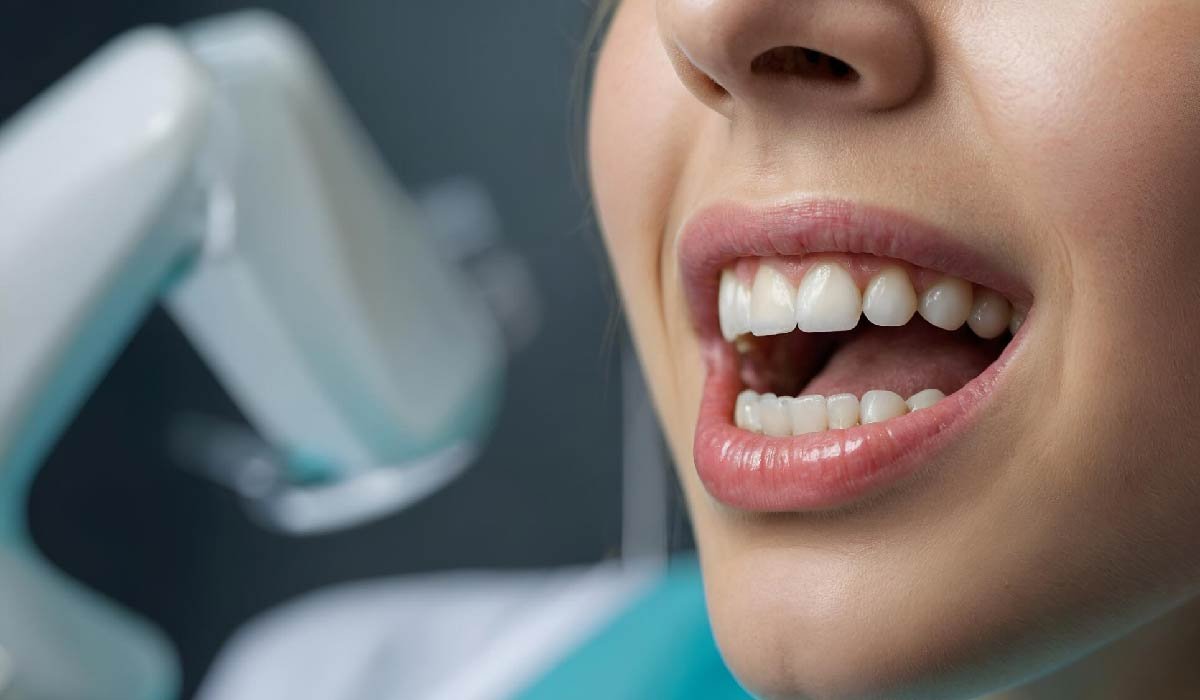
Stress is something many people feel every day. It can come from work, family, money, or even small daily problems. While most people think of stress as something that affects the mind, it can also affect the body in quiet ways. One of the most overlooked areas is oral health.
Your mouth can tell a story about how you feel inside. Tight jaws, sore gums, and even damaged teeth can all be signs of stress. If you want to understand how your emotions and your smile are connected, keep reading and discover how simple awareness can protect your health.
How Stress Affects the Body and the Mouth
When the body feels stress, it reacts right away. The heart beats faster, muscles tighten, and the body prepares to deal with pressure. This response is helpful in short moments, but when stress lasts a long time, it can start to harm the body.
The mouth is not separate from this process. Tight muscles can affect the jaw. Changes in habits can affect teeth and gums. Over time, stress can slowly lead to problems that may not seem connected at first. This is why it is important to understand the link early.
Teeth Grinding and Jaw Tension
One of the most common effects of stress is teeth grinding. Many people grind their teeth at night without even knowing it. This is called bruxism, and it often happens when the body is trying to release tension.
Grinding can wear down teeth and cause pain in the jaw. Some people wake up with headaches or feel soreness when chewing. Over time, this habit can lead to serious damage if not managed.
Relaxing before sleep and being aware of tension during the day can help reduce this habit. In some cases, a dentist may suggest a mouth guard to protect the teeth.
Gum Health and Stress
Stress can also weaken the body’s ability to fight infection. This can affect the gums and lead to swelling, redness, or bleeding. Gum disease can start small but grow worse if ignored.
When people are stressed, they may also forget proper oral care. Skipping brushing or flossing can allow bacteria to grow. This creates a cycle where stress and poor habits lead to more problems.
Keeping a simple routine, even during busy days, can protect gum health and prevent long-term issues.
Changes in Daily Habits
Stress often changes the way people live day to day. Some may eat more sugary foods for comfort, while others may skip meals or neglect self-care. These changes can affect oral health more than expected.
Sugary snacks can feed bacteria in the mouth. This can lead to cavities and decay. In time, these issues may become one of the common causes of a toothache that could have been avoided with better habits.
Drinking less water and consuming more coffee or soft drinks can also dry the mouth. A dry mouth makes it easier for bacteria to grow and harm the teeth.
The Role of the Mind in Oral Care
Mental health plays a big role in how people care for themselves. When stress is high, even simple tasks can feel hard. Brushing and flossing may be skipped, and dental visits may be delayed.
This can create bigger problems later on. Small issues can grow into serious conditions if not treated early. Taking care of the mind can help improve these daily habits.
Even small steps, like setting reminders or creating a simple routine, can make oral care easier during stressful times.
Ways to Manage Stress for Better Oral Health
Managing stress does not have to be complex. Simple actions can help calm the body and protect your smile. Deep breathing, short walks, and quiet time can reduce tension.
Good sleep is also very important. A rested body can handle stress better and reduce habits like teeth grinding. Talking to someone you trust can also help release pressure.
Pairing stress management with good oral care creates a strong defense. Brushing twice a day, flossing, and regular dental visits can keep your mouth healthy even during busy times.
Listening to Your Body and Your Smile
Your body often gives small signs before problems grow bigger. A sore jaw, bleeding gums, or sudden tooth pain may be signals that stress is affecting your health.
Paying attention to these signs can help you act early. Seeking help from a dental professional can prevent further damage and give you peace of mind.
Being aware of both your mental and physical health allows you to respond before issues become serious.
A Healthier Smile Starts with a Calmer Mind
Stress is a part of life, but it does not have to take control of your health. Understanding how it affects your mouth can help you take simple steps to protect your smile.
By caring for both your mind and your body, you create balance. This balance supports better habits, stronger teeth, and healthier gums. Small daily actions can lead to lasting results.
When the body is under stress, healing can take longer than usual. This affects small cuts, sores, and even dental treatments. The body uses more energy to deal with stress, leaving less support for repair and recovery.
In the mouth, this may show as slow healing after a dental visit or lingering pain from minor issues. Keeping stress levels low and following proper oral care can help the body heal faster. Rest, hydration, and gentle care all support recovery.
Building Healthy Routines That Protect Your Smile
Creating simple daily habits can help reduce the impact of stress on oral health. When routines are clear and easy to follow, it becomes easier to stay consistent even during busy days.
Brushing at the same time each day, flossing before bed, and drinking enough water can protect your teeth and gums. Adding small moments of calm, like deep breathing or quiet time, can also improve both mental and oral health. Over time, these steady habits build a stronger and healthier smile.
Finding Balance for Lasting Oral Health
A healthy smile is not just about brushing and flossing. It is also about how you feel each day. When you manage stress and stay aware of your habits, you give your body the support it needs.
Take time to care for yourself, even in small ways. Your smile reflects your overall well-being, and every step you take toward balance helps it shine brighter.
For more on this content, visit the rest of our blog!
