


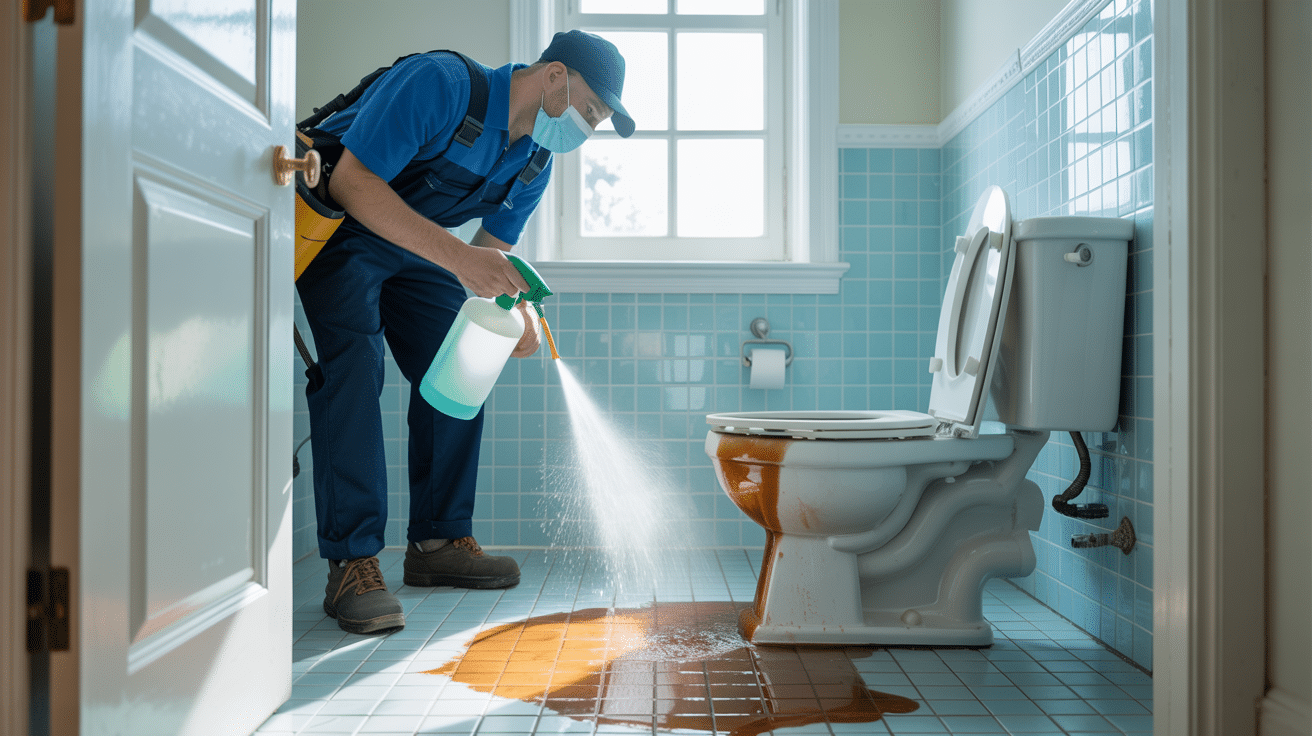
Hard water is often dismissed as a minor annoyance — a few chalky marks on taps or a kettle that needs frequent descaling. Yet across the UK, hard water quietly costs homeowners far more than they realise. From higher energy bills to premature boiler failure, untreated hard water can create hidden financial pressures. Understanding these costs is the first step toward choosing an effective hard water solution UK homeowners can rely on for the long term.
What Hard Water Really Does to Your Home
Many UK regions have water rich in calcium and magnesium. When heated or left to evaporate, these minerals form limescale — a hard, chalky deposit that clings to surfaces and builds up inside appliances.
While visible marks on taps and shower screens may seem minor, the real damage occurs internally, affecting:
- Boiler heat exchangers
- Central heating systems
- Washing machines and dishwashers
- Internal pipework
- Immersion heaters
Even a thin layer of limescale reduces heat transfer efficiency, forcing boilers to work harder and increasing monthly energy bills.
The Hidden Financial Impact
The costs of ignoring hard water can add up quickly:
- Increased Energy Bills: Limescale acts as an insulating barrier, making boilers and heating systems less efficient.
- Shortened Appliance Lifespan: Scale-covered heating elements overheat, causing premature failure in washing machines, dishwashers, and kettles.
- Plumbing Restrictions: Gradual pipe narrowing reduces water flow and shower pressure.
- Higher Cleaning Costs: Hard water reduces soap and detergent effectiveness, increasing the need for cleaning products.
Over a decade, energy inefficiency, repairs, and early appliance replacements can amount to hundreds or even thousands of pounds.
Why Short-Term Fixes Don’t Work
Many homeowners try temporary measures, such as:
- Descaling liquids
- Vinegar treatments
- Magnetic or electronic gadgets
- Tap filters
While these can reduce visible buildup, they rarely protect internal plumbing or heating systems. True prevention requires a solution that treats water before it circulates throughout the home.
Modern Hard Water Solutions for UK Homes
Salt-Based Water Softeners
Traditional softeners remove calcium and magnesium via ion exchange. They are effective but have drawbacks:
- Regular salt refills and ongoing maintenance
- Monitoring regeneration cycles
- Sodium addition to drinking water, which some households prefer to avoid
Salt-Free Conditioning Systems
Modern salt-free water conditioners work differently. Rather than removing minerals, they change the behavior of hardness minerals, preventing hard deposits. Benefits include:
- No salt or chemical discharge
- Minimal maintenance required
- Preservation of beneficial minerals in drinking water
- Long-term protection for boilers, pipes, and appliances
This makes them a practical water softener alternative without the ongoing upkeep of traditional systems.
Whole-House Protection vs Point-of-Use Fixes
Point-of-use devices that treat a single tap or appliance often fail to protect boilers and heating systems. Installing a whole-house water conditioner at the mains supply ensures:
- Boiler protection
- Central heating protection
- Consistent water quality throughout the home
- Reduced scale buildup across all appliances
Treating water at the entry point is far more effective than attempting to manage scale after it forms.
Choosing the Right Water Conditioner
Selecting the correct system depends on:
- Local water hardness levels
- Household size and water usage
- Property plumbing configuration
- Long-term maintenance preferences
Professional guidance is essential. An undersized system may struggle under demand, while an oversized one can be unnecessarily costly. Homeowners can review recommended systems at hard water solution UK, tailored specifically for UK water conditions.
What Results Can You Expect?
Proper installation of a modern conditioning system delivers:
- Reduced new limescale formation
- Improved boiler efficiency
- Extended appliance lifespan
- Lower long-term maintenance costs
- Reduced visible buildup on taps and showerheads
Existing heavy scale will not disappear overnight, but preventing further accumulation protects your home moving forward.
Why Prevention Beats Repair
Replacing a domestic boiler can cost thousands, and even minor heating repairs quickly add up. In comparison, a correctly specified water conditioner system is a preventative investment, avoiding costly breakdowns and inefficiencies.
A Smarter Approach for UK Homeowners
Hard water is a permanent condition tied to regional geology. The most cost-effective strategy is prevention:
- Treat water at the mains entry point
- Choose a system suited to your property
- Work with experienced suppliers
- Monitor appliance performance over time
By addressing hard water early, homeowners protect both their property and their finances.
Takeaway
Hard water silently affects boilers, appliances, and pipes across UK homes, creating long-term costs. Installing a whole-house water conditioner — especially a low-maintenance, salt-free system — offers effective, preventative protection, prolongs appliance lifespan, and reduces energy bills. For a reliable hard water solution UK, professional advice and proper installation are key to safeguarding your home for the future.
