


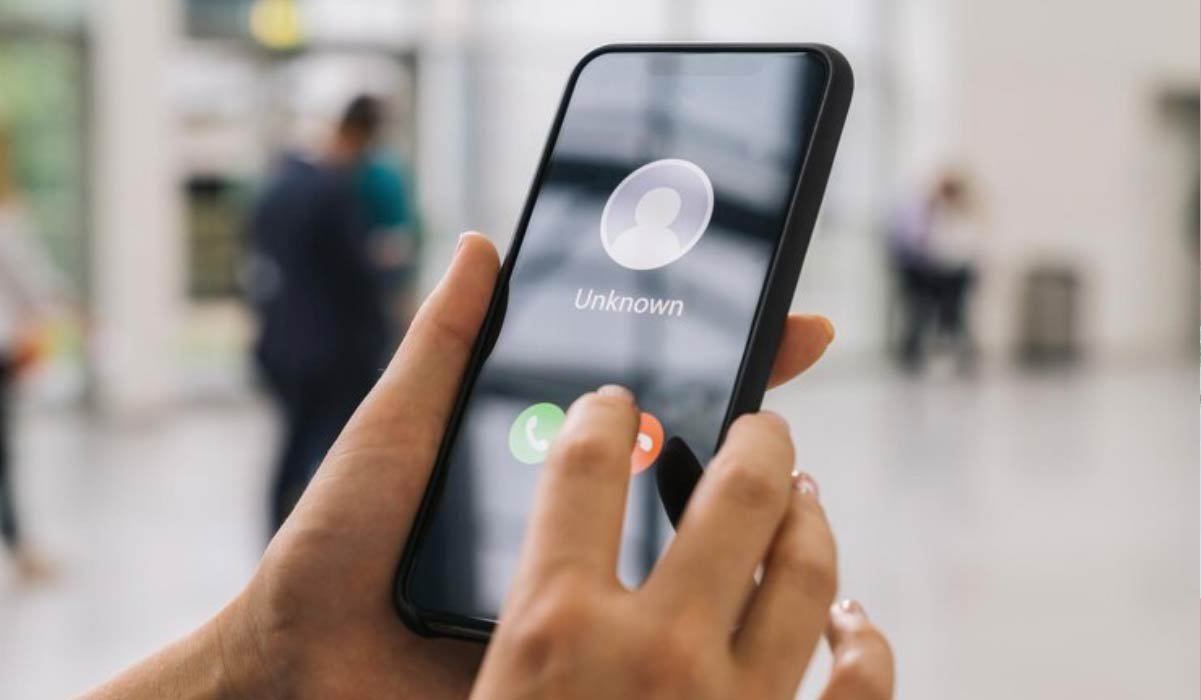
Your phone vibrates. An unfamiliar number appears. You skip the call, and voicemail stays empty. Then the usual bind shows up: return the call and maybe step into something uncomfortable, or leave it and keep guessing. Plenty of people hit this snag, and it has grown harder as spam, scams, and robocalls have climbed in recent years.
You do not need to guess in the dark. Safer methods exist for checking an unknown number before you speak, and those options can spare time, guard your privacy, and leave you calmer.
Why You Should Never Just Call Back Blindly
Dialing an unknown number back can feel quick, yet it carries hazards many people miss. Crooks run “one-ring” schemes, letting a call ring once so you feel pressed to return it. A callback can land on a premium-rate line billed by the minute, sometimes across borders, with little warning.
Even when the line is not a scam, you start from behind. You open contact with no background, which lets bad actors collect details from your voice and name. A short check first costs nothing and gives you facts before you talk.
Start With What You Already Have
Skip extra tools at first and do a fast manual pass. Copy the digits and drop them into a search engine. Companies, groups, and some scam-report databases index numbers, so a basic query can show a business name, a place, or notes from others who got the same call.
Social networks are often ignored. People and firms list numbers on Facebook, LinkedIn, or Instagram. Searching the digits in those search bars can sometimes reveal a name or a page tied to the line.
If the area code looks unfamiliar, look up the region. That will not name the caller, but a number from a city several states away, with no contacts there, can hint that it may not deserve your time.
Use Dedicated Lookup Tools
Hand searches only go so far. For firmer results, dedicated phone lookup services offer organized access to public records, carrier data, and contact databases in a form a plain web search cannot match.
One approach that works well for identifying unknown callers is using a phone number search tool that connects numbers to owner names, addresses, and carrier details. These services draw on pooled public sources and can often show details on mobile lines that ordinary search engines miss. If you want to know more before returning a call, this kind of lookup gives you a useful head start.
Not every number yields a full profile. Unlisted lines, disposable phones, and brand-new activations may show little. For most standard mobile and landline numbers, though, you get enough to decide if you should respond.
Short Codes and Carrier Features Worth Knowing
Your carrier also ships built-in aids. *69, on most classic landlines and some mobile plans, redials the last incoming number. It will not name the caller first, but it helps if the call ended before you could write the digits down.
*57 serves another goal: it starts malicious-call tracing and logs the number for law enforcement. That is aimed at harassment more than everyday ID work, yet it helps to know it exists if you face threats or repeated unwanted contact.
Some carriers add branded spam filters and stronger caller ID in their plans. Those tools match incoming numbers against known spam lists and mark dubious calls. Open your carrier app or account settings; you may already have shields you never turned on.
Third-Party Apps That Surface Caller Identity
Many mobile apps now try to name unknown numbers before you answer. TrapCall, Hiya, and Truecaller compare incoming digits with large community and private databases. On an incoming call, the app may show a likely name, a spam score, or user-flagged alerts.
TrapCall focuses on blocked and restricted numbers, revealing the hidden digits so you can search them further. That helps with stubborn mystery callers who hid their ID on purpose.
Community-sourced apps can miss the mark. If nobody has labeled a number, you may get nothing useful. Pairing them with a dedicated lookup service usually yields a fuller view.
Protecting Yourself From Number Spoofing
Spoofing muddies the waters: a call is dressed up to look local or trusted. Spoofed digits are fake fronts. A lookup then describes the person whose number was borrowed, not the person who dialed.
Clues include numbers that nearly match your own area code and prefix, government-looking lines that feel wrong, and callbacks where the other party seems puzzled that you called. If a lookup ties the number to an unrelated place or setting, spoofing may explain it.
If you suspect spoofing, do not keep talking. Report the number to the FTC or your carrier’s abuse channel. Note time, date, and what was said so a complaint has support.
What To Do Once You Know Who Called
After you identify the number, or collect enough context to judge it, you have clear next steps. A business or person you know can be called back without fuss. A known spam source should be blocked at once and tagged in any app you use so others gain from the flag.
If the lookup shows someone unexpected, a collector, a law office, or an unknown firm, you already know who is on the other side before you speak. That lets you prepare, ask useful questions, and decide if the call deserves any attention.
Sixty seconds of checking before you dial back is a small habit with steady payoff. Unknown numbers seldom need the urgency they try to create, and a brief lookup often answers the question without a single spoken word.
