


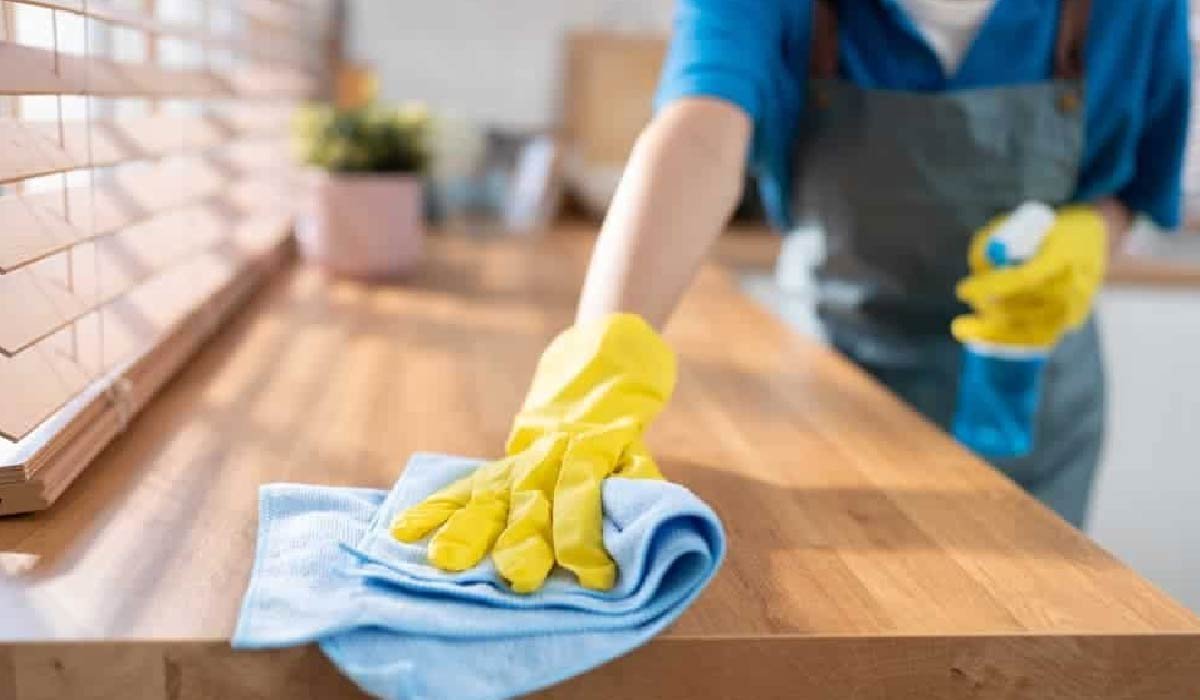
Household allergens are a hidden but persistent problem in many Singapore homes. From dust mites and mould spores to pet dander and airborne pollutants, these microscopic irritants can significantly affect comfort, sleep quality, and respiratory health. In a humid tropical climate like Singapore, the problem becomes even more pronounced, making cleaning services an essential part of maintaining a healthy indoor environment.
Many homeowners underestimate how quickly allergens accumulate in carpets, upholstery, air-conditioning units, and soft furnishings. Even when a home appears clean, invisible particles can continue circulating in the air. This is where professional cleaning plays a vital role, offering targeted solutions that go far beyond routine household tidying.
This article explores how professional cleaning helps reduce household allergens, the common sources of indoor irritation in Singapore homes, and practical steps to improve indoor air quality.
Why Allergens Are a Growing Concern in Singapore Homes
Singapore’s tropical climate creates ideal conditions for allergen growth and spread. High humidity, frequent rainfall, and warm temperatures encourage the survival of dust mites, mould, and bacteria.
Common allergen sources include:
- Dust mites thriving in bedding and upholstered furniture
- Mould growth in damp bathrooms and poorly ventilated areas
- Pet hair and dander trapped in carpets and sofas
- Pollen and outdoor pollutants entering through ventilation
- Air-conditioning systems circulating trapped dust particles
- Kitchen grease attracting bacteria and pests
Because of these conditions, many households rely on professional cleaning services to maintain a healthier indoor environment.
Understanding Household Allergens
Allergens are substances that trigger allergic reactions in sensitive individuals. In Singapore homes, they are often invisible but constantly present.
Common Indoor Allergens:
| Allergen Type | Source | Health Impact |
| Dust mites | Mattresses, pillows, carpets | Sneezing, asthma, itchy eyes |
| Mould spores | Bathrooms, walls, ceilings | Respiratory irritation, coughing |
| Pet dander | Cats, dogs, upholstery | Allergic rhinitis, skin irritation |
| Pollen | Outdoor air, windows | Seasonal allergies |
| Bacteria | Kitchens, bathrooms | Infections, odours |
These allergens circulate easily in enclosed living spaces, especially where humidity levels remain high.
How Professional Cleaning Reduces Allergens Effectively
Unlike routine household cleaning, professional services are designed to eliminate allergens at their source rather than just reducing visible dust.
- Deep Dust and Dust Mite Removal
Professional cleaners use high-powered vacuum systems with HEPA filters that capture microscopic dust particles and mites trapped deep within fabrics and carpets.
- Mould and Mildew Treatment
In humid environments, mould can grow quickly in hidden areas. Professional cleaning services use specialised solutions to remove mould from tiles, grout, ceilings, and air-conditioning units.
- Upholstery and Mattress Cleaning
Soft furnishings are major allergen reservoirs. Steam cleaning and extraction methods remove:
- Dust mites
- Sweat residues
- Pet dander
- Deep-seated dirt
- Air-Conditioning Cleaning
Air-conditioning units often circulate allergens throughout the home. Professional cleaning removes:
- Dust buildup in filters
- Bacterial growth in coils
- Moisture-related mould
- Kitchen and Bathroom Sanitisation
These high-moisture areas are prone to bacteria and allergen growth. Deep cleaning helps eliminate grease, mildew, and hidden microbial buildup.
Why Singapore Homes Are More Vulnerable to Allergens
The local environment plays a major role in allergen accumulation.
Key Environmental Factors:
- High humidity encourages dust mite reproduction
- Constant air-conditioning reduces natural ventilation
- Urban dust enters through windows and balconies
- Compact living spaces trap airborne particles
- Frequent rainfall increases indoor dampness
These factors make regular professional intervention essential for maintaining indoor air quality.
Health Impacts of Household Allergens
Prolonged exposure to allergens can lead to several health issues, especially in children, the elderly, and individuals with asthma or sensitivities.
Common Symptoms Include:
- Frequent sneezing and nasal congestion
- Itchy or watery eyes
- Skin irritation or eczema flare-ups
- Wheezing or difficulty breathing
- Chronic coughing or throat irritation
- Poor sleep quality due to discomfort
By using professional cleaning services, households can significantly reduce these health risks.
Areas in the Home That Trap the Most Allergens
Certain parts of the home accumulate allergens faster than others and require special attention.
High-Risk Areas:
- Mattresses and bedding
- Carpets and rugs
- Sofas and upholstered chairs
- Curtains and fabric blinds
- Air-conditioning filters and vents
- Bathroom corners and grout lines
- Kitchen exhaust systems
These areas often appear clean on the surface but contain hidden allergen buildup.
Benefits of Professional Cleaning for Allergy Reduction
Investing in professional cleaning offers long-term health and lifestyle benefits.
Key Advantages:
- Improved indoor air quality
- Reduced allergy symptoms
- Better sleep quality
- Elimination of mould and bacteria
- Fresher and more comfortable living environment
- Longer lifespan of furniture and fabrics
Regular cleaning also prevents allergens from accumulating to harmful levels.
Recommended Cleaning Schedule for Allergy Control
A structured cleaning routine helps maintain consistent hygiene and allergen control.
Suggested Schedule:
- Weekly: Vacuuming and surface cleaning
- Bi-weekly: Bathroom and kitchen sanitisation
- Every 1–3 months: Deep cleaning services
- Every 3 months: Air-conditioning servicing
- Every 6 months: Upholstery and mattress cleaning
Homes with allergy sufferers may require more frequent professional attention.
Practical Tips to Reduce Allergens at Home
Alongside professional cleaning, simple habits can help minimise allergen buildup.
Useful Practices:
- Use mattress and pillow protectors
- Wash bedding weekly in hot water
- Keep humidity levels below 60%
- Use dehumidifiers in closed rooms
- Vacuum regularly with HEPA filters
- Avoid clutter that traps dust
- Ensure proper ventilation when possible
These steps complement cleaning services and improve long-term results.
Choosing the Right Cleaning Service in Singapore
Not all cleaning providers offer allergy-focused solutions, so choosing the right one is important.
What to Look For:
- Experience with allergen and mould control
- Use of HEPA filtration equipment
- Eco-friendly and non-toxic cleaning agents
- Trained professionals in deep cleaning techniques
- Customisable cleaning packages
- Strong customer reviews and reliability
A professional provider ensures thorough cleaning without compromising safety.
Final Thoughts
Household allergens are an unavoidable challenge in Singapore’s humid and urban environment, but they can be effectively managed with the right approach. Professional cleaning plays a crucial role in reducing allergen levels, improving air quality, and creating a healthier living space for families.
Unlike surface cleaning, expert cleaning services target hidden contaminants that often go unnoticed but significantly affect health and comfort. By investing in regular deep cleaning, homeowners can enjoy a fresher, safer, and more hygienic environment throughout the year.
For reliable and professional cleaning solutions tailored to Singapore homes and businesses, visit anergy.com.sg to explore expert services designed to reduce allergens and maintain a healthier indoor space.
Frequently Asked Questions
- How do cleaning services help reduce household allergens?
Professional cleaning services use deep-cleaning techniques, HEPA vacuums, and sanitisation methods to remove dust mites, mould, and other allergens from hidden areas.
- How often should allergy sufferers schedule professional cleaning?
Homes with allergy sufferers should schedule deep cleaning every 1 to 2 months, along with regular weekly maintenance.
- Can air-conditioning increase allergens in the home?
Yes, dirty air-conditioning units can circulate dust, mould spores, and bacteria, worsening indoor air quality if not cleaned regularly.
- Are professional cleaning products safe for children and pets?
Most reputable cleaning services use eco-friendly and non-toxic products that are safe for households with children and pets.
- Which areas in the home trap the most allergens?
Mattresses, sofas, carpets, curtains, and air-conditioning systems are the most common allergen hotspots in Singapore homes.
