


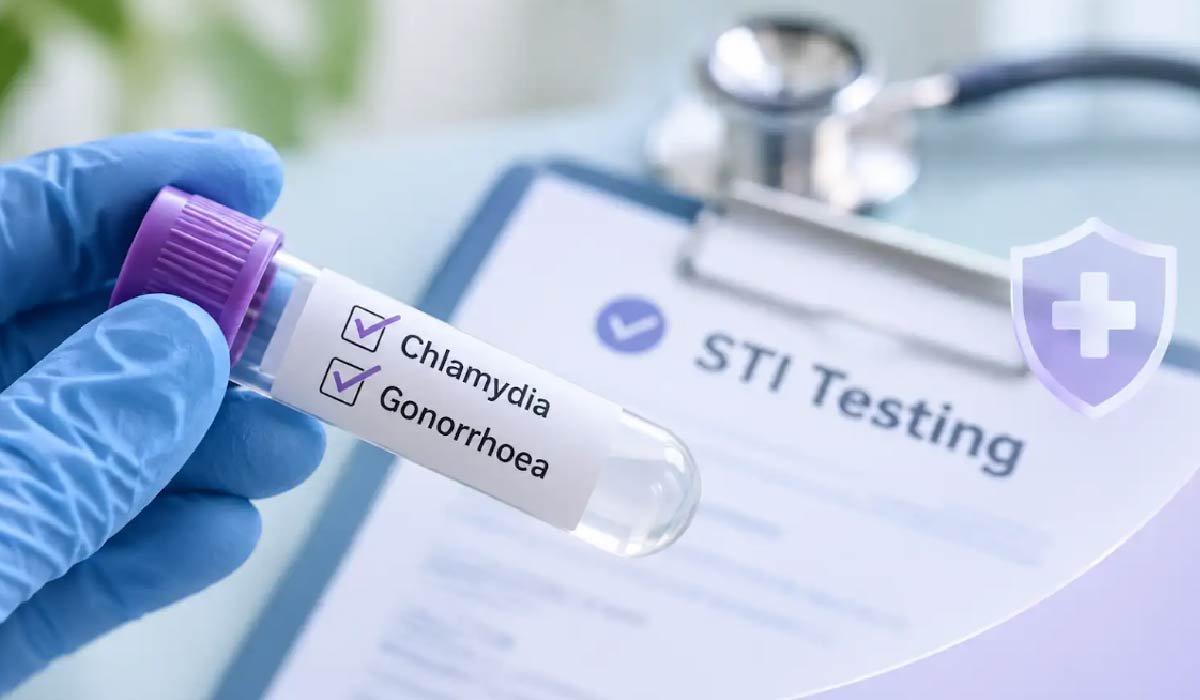
Chlamydia and gonorrhoea are two of the most common bacterial sexually transmitted infections (STIs) in the UK. Despite their prevalence, many people are unaware they have an infection because symptoms are often mild or completely absent. Having chlamydia without symptoms or gonorrhoea without symptoms is common, allowing infections to spread unknowingly between sexual partners.
This is why Chlamydia and Gonorrhoea Awareness is so important. Regular testing, early diagnosis and prompt treatment help reduce the risk of complications, protect partners, and support better sexual health. Whether you have symptoms or simply want reassurance after unprotected sex, understanding when to get tested is an important step in looking after your wellbeing.
What Are Chlamydia and Gonorrhoea?
Chlamydia and gonorrhoea are bacterial infections that can affect the genitals, throat and rectum. They are primarily spread through unprotected vaginal, anal or oral sex with someone who has the infection.
Chlamydia is caused by the bacterium Chlamydia trachomatis, while gonorrhoea is caused by Neisseria gonorrhoeae. Both infections can usually be treated successfully with antibiotics when diagnosed early.
Many people develop an asymptomatic STI, meaning they have no noticeable symptoms. Because of this, routine screening remains one of the most effective ways to detect infections before they lead to complications or are passed on to others.
Chlamydia vs Gonorrhoea: What’s the Difference?
Although these infections share many similarities, there are important differences.
| Feature | Chlamydia | Gonorrhoea |
| Cause | Chlamydia trachomatis | Neisseria gonorrhoeae |
| Symptoms | Often absent or mild | May appear sooner but can also be absent |
| Areas affected | Genitals, throat, rectum | Genitals, throat, rectum |
| Testing | Urine sample or swab | Urine sample or swab |
| Treatment | Antibiotics | Antibiotics with clinician-directed follow-up where appropriate |
| Possible complications | Pelvic inflammatory disease, fertility problems | Similar complications, with additional concerns about antimicrobial resistance |
Although both infections are treatable, early diagnosis is essential to reduce the risk of long-term health problems.
Why Are Chlamydia and Gonorrhoea Often Missed?
One of the biggest misconceptions about STIs is that they always cause obvious symptoms. In reality, many people experience chlamydia without symptoms or gonorrhoea without symptoms, particularly during the early stages of infection.
Others may notice only very mild symptoms that are easy to overlook, such as:
- Mild discomfort when urinating
- Slight irritation
- Changes in genital discharge
- Mild pelvic discomfort
- Minor genital soreness
Because these symptoms can be subtle or short-lived, many people delay seeking medical advice.
Many infections are only discovered after:
- A routine sexual health screening
- STI testing after unprotected sex
- Starting a new relationship
- A partner informing them they have tested positive
Regular testing is therefore one of the most reliable ways to detect an asymptomatic STI before complications develop.
Signs and Symptoms to Look Out For
Although many people experience no symptoms, recognising possible warning signs is still important.
Symptoms in Women
Possible symptoms include:
- Unusual vaginal discharge
- Burning or pain when urinating
- Bleeding between periods
- Bleeding after sex
- Lower abdominal or pelvic pain
If left untreated, infections may sometimes lead to pelvic inflammatory disease (PID), which can affect fertility.
Symptoms in Men
Possible symptoms include:
- White, yellow or green discharge from the penis
- Burning sensation during urination
- Pain or swelling in one or both testicles
Even mild symptoms should be assessed promptly to reduce the risk of ongoing infection.
Symptoms in the Throat or Rectum
Both infections can also affect the throat and rectum following oral or anal sex.
Possible symptoms include:
- Sore throat
- Rectal discomfort
- Irritation
- Discharge
- Pain during bowel movements
However, many people with throat or rectal infections have no symptoms at all. This is why throat and rectal STI testing may be recommended depending on your sexual history and potential exposure.
Why Early Testing Matters
Early diagnosis allows treatment to begin before complications develop.
A chlamydia and gonorrhoea test can help:
- Detect infections before symptoms appear
- Prevent transmission to sexual partners
- Reduce the risk of fertility complications
- Provide reassurance about your sexual health
- Support informed healthcare decisions
Many people delay testing because they feel embarrassed or assume symptoms will disappear on their own. Modern sexual health services are designed to provide confidential, non-judgemental care.
What Happens During a Chlamydia and Gonorrhoea Test?
Testing is usually quick and straightforward.
A healthcare professional may ask about:
- Your symptoms
- Recent sexual activity
- Possible exposure risks
- Previous STI history
Depending on your circumstances, testing may involve:
- A urine sample
- Swabs from the affected area
- Throat and rectal STI testing, where appropriate
- Additional STI screening if clinically indicated
Results are handled confidentially, and if an infection is detected, treatment can usually begin promptly.
When Is the Best Time to Get Tested?
Many people believe they should test immediately after possible exposure. However, testing too soon after exposure may not always detect an infection.
The most appropriate timing depends on several factors, including:
- The type of test being performed
- The timing of exposure
- Whether symptoms are present
If you develop symptoms or your sexual partner has tested positive for chlamydia or gonorrhoea, it is important to seek clinical advice promptly rather than waiting.
In some situations, a healthcare professional may recommend repeat testing if the initial test was carried out very soon after exposure or if there is an ongoing risk of infection.
If you are looking for professional advice or testing options, Harley Health Centre’s chlamydia testing service provides further information about chlamydia testing and diagnosis.
Gonorrhoea and Antibiotic Resistance
Although gonorrhoea can usually be treated successfully, antimicrobial resistance has become an increasing global concern.
If you are concerned about gonorrhoea or require further information about diagnosis, you can explore gonorrhoea testing at Walk In Clinic to learn more about available testing and clinical support.
Over time, some strains of gonorrhoea have developed resistance to certain antibiotics, making treatment more challenging. For this reason, treatment should always follow current clinical guidance and should never involve self-medication or leftover antibiotics.
Depending on your circumstances, a healthcare professional may recommend follow-up testing after treatment to ensure the infection has cleared successfully.
How Can You Reduce Your Risk?
While no prevention method removes the risk completely, several practical steps can significantly reduce your chances of infection.
These include:
- Using condoms correctly and consistently
- Having STI testing after unprotected sex
- Getting tested before starting a new relationship
- Attending regular sexual health checks
- Cleaning shared sex toys properly and using protection
- Seeking medical advice if you notice unusual symptoms
Because many infections remain symptom-free, routine testing is often the most effective form of prevention.
When Should You Consider STI Testing?
You should consider a chlamydia and gonorrhoea test if:
- You have had unprotected sex
- You have a new sexual partner
- A current or previous partner has tested positive
- You notice symptoms suggestive of an STI
- You have been advised to test following possible exposure
- You simply want reassurance about your sexual health
Remember that STI testing is not only for people with symptoms. Many infections are diagnosed during routine screening.
