


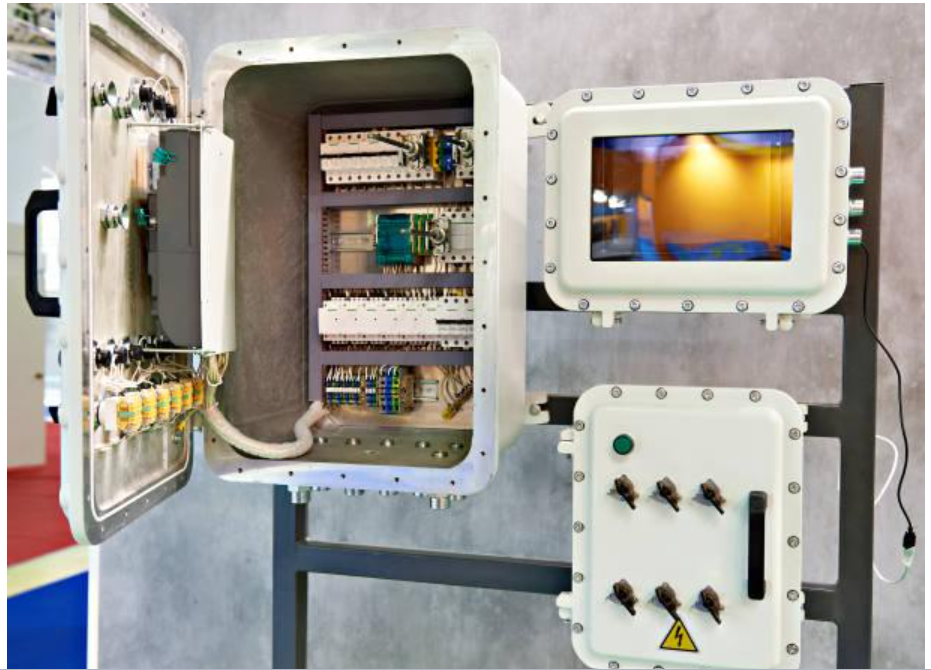
In today’s industrial and commercial environments, electrical systems are more important than ever. From manufacturing plants and data centers to renewable energy installations, businesses rely heavily on electrical equipment to maintain smooth and efficient operations. However, one critical aspect that is often overlooked is the selection of the right electrical enclosure.
Electrical enclosures are not just protective boxes—they are essential components that safeguard sensitive equipment from environmental hazards, physical damage, and operational risks. Choosing the wrong enclosure can lead to serious consequences, including system failures, safety hazards, and increased operational costs.
Despite their importance, many businesses make common mistakes when selecting electrical enclosures. These mistakes often result from a lack of understanding, poor planning, or focusing only on short-term cost savings.
In this article, we will explore the most common mistakes businesses make when choosing electrical enclosures and how to avoid them. By understanding these pitfalls, companies can make smarter decisions and ensure long-term reliability.
Mistake #1: Focusing Only on Initial Cost
One of the most common mistakes businesses make is choosing an enclosure based solely on price. While it may seem like a cost-saving decision at first, cheaper enclosures often lead to higher expenses in the long run.
Low-cost enclosures may lack durability, proper sealing, or adequate ventilation. As a result, they can fail under harsh conditions, leading to frequent repairs and replacements.
How to Avoid It
Instead of focusing only on the initial cost, businesses should consider the total cost of ownership. This includes maintenance, downtime, and replacement costs. Investing in a high-quality enclosure may require a higher upfront cost, but it provides better long-term value.
Working with an experienced OEM Electrical Enclosure Manufacturer can help businesses find solutions that balance cost and performance effectively.
Mistake #2: Ignoring Environmental Conditions
Another major mistake is failing to consider the environment in which the enclosure will be used. Electrical enclosures are often exposed to dust, moisture, extreme temperatures, and chemicals.
Using an enclosure that is not designed for these conditions can lead to corrosion, overheating, and equipment failure.
How to Avoid It
Businesses should carefully evaluate environmental factors such as:
- Temperature range
- Humidity levels
- Exposure to dust or chemicals
- Outdoor vs indoor installation
Choosing the right material and design based on these factors ensures better protection and performance.
Mistake #3: Choosing the Wrong Material
Material selection plays a crucial role in the effectiveness of an electrical enclosure. However, many businesses choose materials without fully understanding their properties.
For example:
- Using mild steel in a corrosive environment can lead to rust
- Choosing plastic in high-temperature conditions may reduce durability
- Selecting heavy materials can increase installation challenges
How to Avoid It
Each material has its own advantages and limitations. Businesses should select materials based on their specific application and environment. Consulting with experts can help ensure the right choice.
Mistake #4: Overlooking Thermal Management
Heat is one of the biggest threats to electrical systems. Poor ventilation or lack of cooling can lead to overheating, which reduces performance and damages components.
Many businesses fail to consider thermal management when selecting enclosures.
How to Avoid It
Proper thermal management should be a key consideration. This can include:
- Ventilation systems
- Cooling fans
- Heat-resistant materials
A well-designed enclosure helps maintain safe operating temperatures and improves system efficiency.
Mistake #5: Ignoring Future Expansion Needs
Businesses often select enclosures based on their current requirements without considering future growth. This can lead to space limitations and the need for costly upgrades later.
How to Avoid It
Choosing a slightly larger or modular enclosure allows for future expansion. This flexibility helps businesses adapt to changing needs without replacing the entire system.
Mistake #6: Poor Internal Layout Planning
A cluttered or poorly organized enclosure can make maintenance difficult and increase the risk of errors. Many businesses overlook the importance of internal layout.
How to Avoid It
Proper planning of internal components ensures:
- Better organization
- Easier maintenance
- Improved airflow
- Reduced risk of wiring issues
A well-structured layout improves both safety and efficiency.
Mistake #7: Neglecting Safety Standards and Compliance
Electrical enclosures must meet specific safety standards to ensure safe operation. Ignoring these standards can lead to serious risks and legal issues.
How to Avoid It
Businesses should ensure that enclosures comply with relevant industry standards and certifications. This not only improves safety but also ensures regulatory compliance.
Mistake #8: Choosing Standard Solutions for Complex Needs
Standard enclosures may be suitable for basic applications, but they often fail to meet the needs of complex systems. Many businesses rely on standard solutions even when customization is required.
How to Avoid It
Customized enclosures provide better compatibility, protection, and performance. They are designed to meet specific requirements, making them a more reliable choice.
Partnering with a reliable OEM Electrical Enclosure Manufacturer ensures that businesses get tailored solutions that match their needs.
Mistake #9: Underestimating Maintenance Requirements
Some enclosures require frequent maintenance due to poor design or material choice. This increases operational costs and reduces efficiency.
How to Avoid It
Choosing high-quality materials and proper design reduces maintenance needs. Easy access for inspection and repairs also improves efficiency.
Mistake #10: Not Working with the Right Manufacturer
Selecting the wrong manufacturer can lead to poor-quality products and limited support. This is one of the most critical mistakes businesses make.
How to Avoid It
A reliable manufacturer provides:
- Expert guidance
- High-quality products
- Custom solutions
- Ongoing support
Choosing the right partner ensures long-term success.
The Importance of Making the Right Decision
Selecting the right electrical enclosure is not just a technical decision—it is a strategic one. The right choice can improve safety, efficiency, and long-term performance, while the wrong choice can lead to costly mistakes.
By avoiding common pitfalls and focusing on quality and customization, businesses can ensure better outcomes.
Long-Term Benefits of Avoiding These Mistakes
When businesses take the time to choose the right enclosure, they benefit in several ways:
- Reduced maintenance costs
- Improved system reliability
- Enhanced safety
- Increased efficiency
- Better return on investment
These benefits contribute to overall business success.
Final Thoughts
Electrical enclosures play a critical role in protecting equipment and ensuring smooth operations. However, making the wrong choices can lead to significant challenges and costs.
By understanding common mistakes and taking a thoughtful approach, businesses can make better decisions and achieve long-term reliability.
Companies like Eabel.com are helping businesses avoid these mistakes by providing high-quality, customized enclosure solutions that meet modern industrial demands.
