


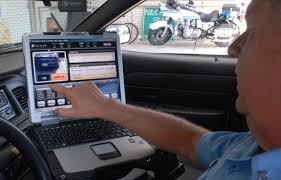
Most law enforcement agencies face a common challenge: too much data and not enough time to act on it. Officers cannot manually track every vehicle, monitor every street, or respond instantly to incidents across an entire city.
This is where license plate reader software (LPR) becomes essential.
Instead of relying only on human observation, LPR systems automatically scan vehicles, analyze license plates, and generate alerts in real time. What once took hours of investigation can now happen in seconds.
The scale of this technology is impressive. According to law enforcement studies, modern automated systems can scan up to 1,800 license plates per minute, making them one of the most efficient tools in public safety today.
In a world where vehicle-related crimes remain high, this level of automation is not just helpful, it is necessary.
This article explains how license plate reader software supports law enforcement and public safety using real-world data, practical use cases, and clear explanations.
Image source
What Is License Plate Reader Software?
License plate reader software uses optical character recognition (OCR) and artificial intelligence to read and process license plates from video footage.
These systems are commonly connected to:
- Fixed roadside cameras
- Patrol vehicle-mounted systems
- Mobile or temporary surveillance units
Once a plate is captured, the system:
- Converts the image into readable text
- Compares it with databases such as stolen vehicles or watchlists
- Sends alerts if a match is found
This transforms ordinary traffic into real-time, actionable intelligence.
Why License Plate Recognition Matters Today
Vehicle-based crimes continue to rise in many regions. According to the FBI, the United States recorded over 1 million motor vehicle thefts in 2023, marking a significant increase compared to previous years.
Beyond theft, vehicles are also used in:
- Organized crime
- Drug trafficking
- Hit-and-run incidents
- Escape from crime scenes
Tracking vehicle movement is one of the most effective ways to understand and prevent these activities.
License plate reader software enables law enforcement to do exactly that, at scale.
1. Real-Time Crime Detection and Alerts
One of the most powerful capabilities of LPR systems is instant detection.
How it works:
- A vehicle passes a camera
- The system scans the license plate instantly
- It checks the plate against law enforcement databases
- If there is a match, an alert is triggered immediately
Impact:
- Faster identification of stolen vehicles
- Immediate alerts for wanted individuals
- Reduced reliance on manual observation
Many departments report 20–30% improvements in vehicle recovery rates after implementing LPR systems.
2. Supporting Investigations With Data
LPR systems are equally valuable after an incident occurs.
Investigators can:
- Track a suspect vehicle’s route
- Identify vehicles near a crime scene
- Reconstruct timelines
Instead of reviewing hours of video manually, officers can filter data by:
- Plate number
- Location
- Time
This reduces investigation time dramatically and improves accuracy.
3. AI-Powered Search and Smart Analytics
Modern license plate reader software goes beyond basic scanning.
Today’s systems include:
- AI-powered search tools
- Pattern recognition
- Vehicle filtering by type, color, and direction
This allows officers to move from reactive investigation to proactive intelligence.
For example:
- Search “white SUV near downtown between 2–4 PM”
- Identify vehicles with partial plate matches
This level of flexibility significantly improves investigation speed.
As an example, platforms like Coram’s license plate reader software highlight how modern LPR systems are evolving. It works with existing IP cameras and uses AI to scan plates in real time, track vehicle movements across locations, and allow searches using partial matches or vehicle descriptions. This reflects a broader shift toward smarter, faster, and more scalable surveillance without requiring new infrastructure.
4. Strengthening Border and Perimeter Security
LPR systems are widely used in controlled environments such as:
- Airports
- Ports
- Government facilities
- Industrial zones
Key benefits:
- Monitoring all vehicle entries and exits
- Detecting unauthorized access
- Maintaining digital logs of activity
This improves both security and accountability.
5. Improving Emergency Response Times
During emergencies, every second matters.
LPR systems help by:
- Identifying suspect vehicles quickly
- Tracking movement in real time
- Coordinating responses across units
Even a 30–60 second advantage can make a critical difference in emergency situations.
6. Scalable Monitoring Across Cities
Cities are expanding, but law enforcement resources are not increasing at the same rate.
LPR systems allow agencies to:
- Monitor large areas continuously
- Cover multiple locations simultaneously
- Share data across jurisdictions
This creates a scalable security network without requiring more personnel.
7. Enhancing Traffic Enforcement and Safety
LPR systems also improve everyday traffic enforcement.
Common use cases:
- Identifying expired registrations
- Detecting uninsured vehicles
- Monitoring traffic violations
According to transportation safety data, automated enforcement systems contribute to reductions in repeat violations and unsafe driving behavior.
By automating routine checks, officers can focus more on critical safety concerns.
Privacy and Ethical Considerations
While LPR technology is powerful, it must be used responsibly.
Key concerns:
- Data privacy
- Surveillance overreach
- Data retention
Safeguards include:
- Limited data storage (often 30–90 days)
- Restricted access to authorized personnel
- Encryption and secure systems
- Compliance with local laws
Responsible use ensures that security does not come at the cost of public trust.
Challenges of License Plate Reader Systems
Despite their advantages, LPR systems face some limitations.
Common challenges:
- Reduced accuracy in poor lighting or weather
- Difficulty reading damaged or obscured plates
- High storage requirements
- Public perception concerns
However, advancements in AI are steadily improving performance and reliability.
Key Takeaways
- License plate reader software enables real-time detection and alerts
- It improves both crime prevention and investigation speed
- AI-powered analytics make searching and tracking far more efficient
- LPR systems help law enforcement scale operations without increasing manpower
- Privacy and compliance are essential for responsible use
- Modern systems can integrate with existing camera infrastructure
FAQs
How accurate is license plate reader software?
Most modern systems achieve 90–98% accuracy under ideal conditions.
Can LPR systems track vehicles in real time?
Yes, they can instantly alert authorities when a plate matches a watchlist.
Is license plate recognition legal?
Yes, but it is regulated by local laws and privacy guidelines.
Do these systems store personal data?
They primarily store license plate numbers and related metadata, not personal identities.
Can LPR work with existing cameras?
Many modern systems are designed to integrate with existing IP cameras.
Conclusion
License plate reader software has become a critical tool in modern law enforcement. It transforms everyday traffic into actionable intelligence, helping agencies detect threats faster, investigate more efficiently, and respond more effectively.
As cities grow and security challenges evolve, tools like LPR will continue to play an essential role in public safety. The key lies in using them responsibly, balancing technological capability with privacy and transparency.
