


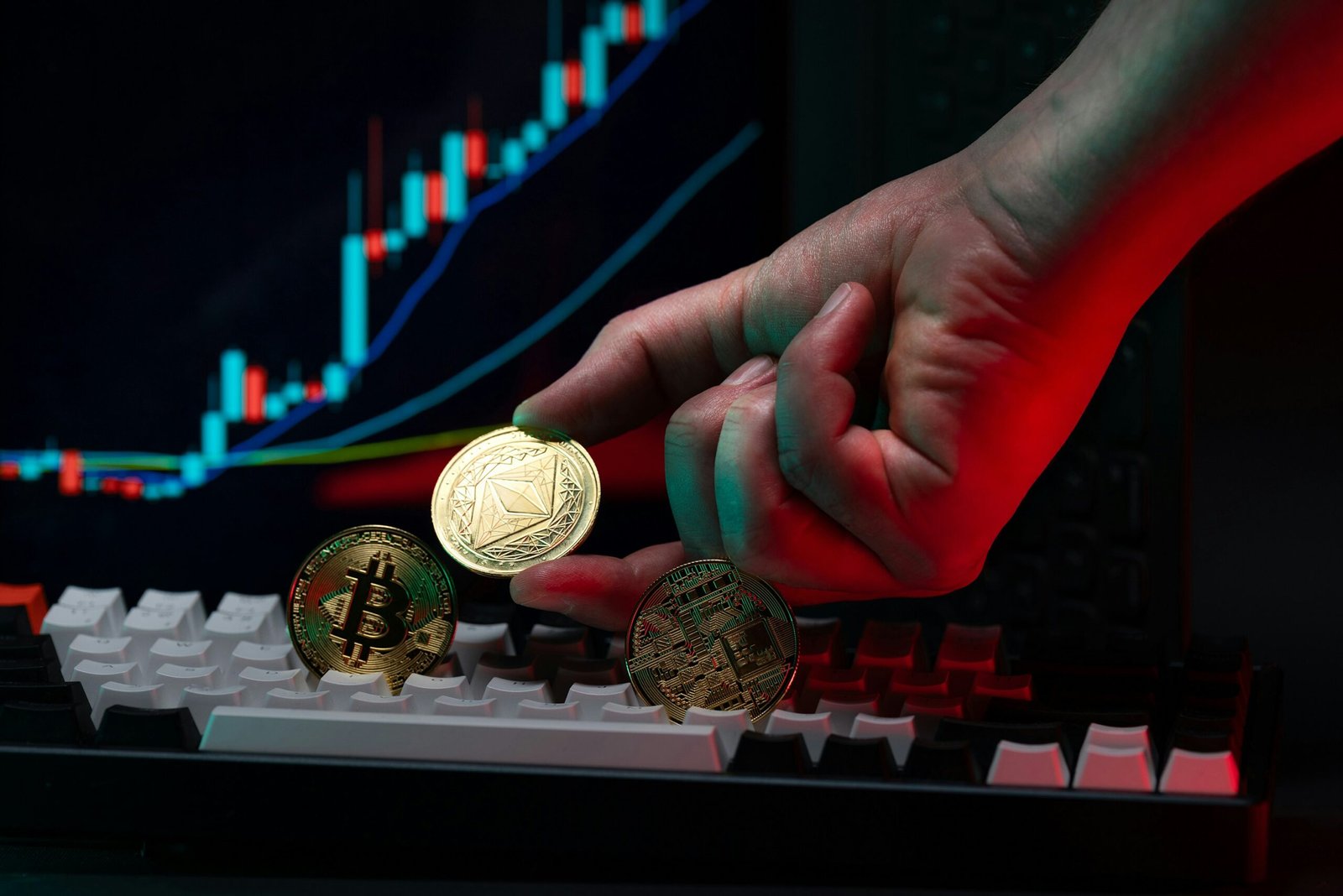
The cryptocurrency market exists in a constant state of growth and innovation, being known for its volatility and ability to change and adapt to its surroundings right away. The demand, engagement rates, and macroeconomics are the main features driving things on the blockchain, and investors know that they need to adjust their strategies depending on how these factors evolve if they wish to be successful and remain profitable. If you’re a trader yourself and are learning how to buy XRP, as well as keeping up with the volumes of the assets you’re interested in is only the tip of the iceberg.
You need to go more in-depth in order to have a comprehensive view of the marketplace and all that it entails. 2025 has been a very complex year for the crypto world, perhaps the most complex since Bitcoin was launched in the late 2000s. Despite the fact that the prices grew to record levels, the market also had to deal with instability, and many of the rules previously dictated by historical data seem to no longer apply to the current environment. Although it can seem extraneous, the truth is that it is very important to keep up with these shifts as well in order to understand what the environment has in store.
Some of this information can also change your perspective on how you approach your own portfolio and can prevent you from making serious mistakes that could cost you quite a lot of money.
Image source: https://unsplash.com/photos/a-pile-of-bitcoins-sitting-on-top-of-a-pile-of-gravel-4PljbcYIzyE
Revenue shifts
One of the most recent trends the market is navigating at the moment is the revenue shift from the blockchain to wallets and decentralized finance applications. This move could indicate that the investors themselves are adopting a different attitude and that things will be different in the long run as well. Right now, data suggests that the revenue that flows in the crypto world is increasingly directed to user-facing applications instead of the underlying networks.
DeFi is now home to five times the fees resulting from blockchains, meaning that industry fees are captured by DeFi, DEXs, and other similar protocols. Since the beginning of 2026, the top 17 fee-generating entities have been apps and protocols instead of blockchains. To gain some perspective on the situation, Solana got $20.4 million in fees during the span of 30 days and was the only blockchain network to make it to the top 20. Tether, the leading protocol in terms of fees, on the other hand, generated $563 million.
Ethereum was the only blockchain in the top 30 with more than $10 million generated during the same timeframe. The ongoing dynamic indicates that both individual and institutional investors are shifting their attention to DeFi at the moment and putting the blockchains themselves on the back burner for a bit.
Ethereum activity
Speaking of Ethereum, the network started 2026 quite strongly, with activity retention rates that nearly doubled in a single month. The number of new network addresses jumped to 8 million from the previous 4, while the number of transactions has also reached a new record level of 2.8 million. The growing interest in and use of stablecoins is largely considered to be responsible for these developments. The performance rates are much stronger compared to the ones recorded in January 2025 as well, with the number of daily transactions being a whopping 125% higher.
Investors are becoming more optimistic as a result of these changes as well, which is good news considering that many were worried for Ethereum at different points last year. For the near future, investors believe that the prices will continue to increase as they will be fueled by renewed interest in exchange-traded funds and stablecoins. The indicators that were pushed into oversold areas are turning up as well, another indicator that the prices will begin to increase.
Staking has grown well, approaching 40 million ETH. The on-chain fundamentals mixed with sustained inflows have made most traders rather confident about future prospects. On top of that, anytime larger cryptocurrencies record stable and strong performance rates, the smaller tokens pick up speed as well, making this good news for the whole market.
Universal blockchains
A universal blockchain is a type of protocol or system that allows for seamless interoperability so that data, assets, and applications can move freely and operate across other blockchains that are otherwise essentially isolated and operating as their own ecosystems. No bridges or centralized layers are required here, creating a unified identity and simplifying the procedures for users at the same time. There’s no denying the fact that the marketplace can be difficult to navigate for those who don’t have a lot of computer science acumen, and the blockchain itself can seem particularly intimidating, especially for those who are taking their first steps in the industry.
Right now, it seems that the universal blockchains have issues that they need to solve as well, as real-world demands have been proven to be quite harsh on them. Industry disputes over the use of equipment and construction changes are at the core of the situation. In construction, for instance, things can become quite complex and expensive. Apart from that, though, there is also the issue of regulations that need to be considered.
Traditional finance environments need much more control than these blockchains were designed to provide. Now that crypto and decentralized finance in general are entering the mainstream, real-world assets are moving to the blockchain as well. These transformations will most likely be difficult to navigate for the foreseeable future, as both environments adjust to the intricacies of the other one. Regulators will most likely demand foolproof functionality in the future, and all of the functions will have to be integrated into the consensus protocols for the best possible compliance.
To sum up, the crypto and blockchain worlds are rapidly changing, and the investors who wish to remain profitable have no choice but to change with them as well. If you want to make sure your portfolio is safe, make sure to do your research and keep an eye on the latest industry shifts.
