


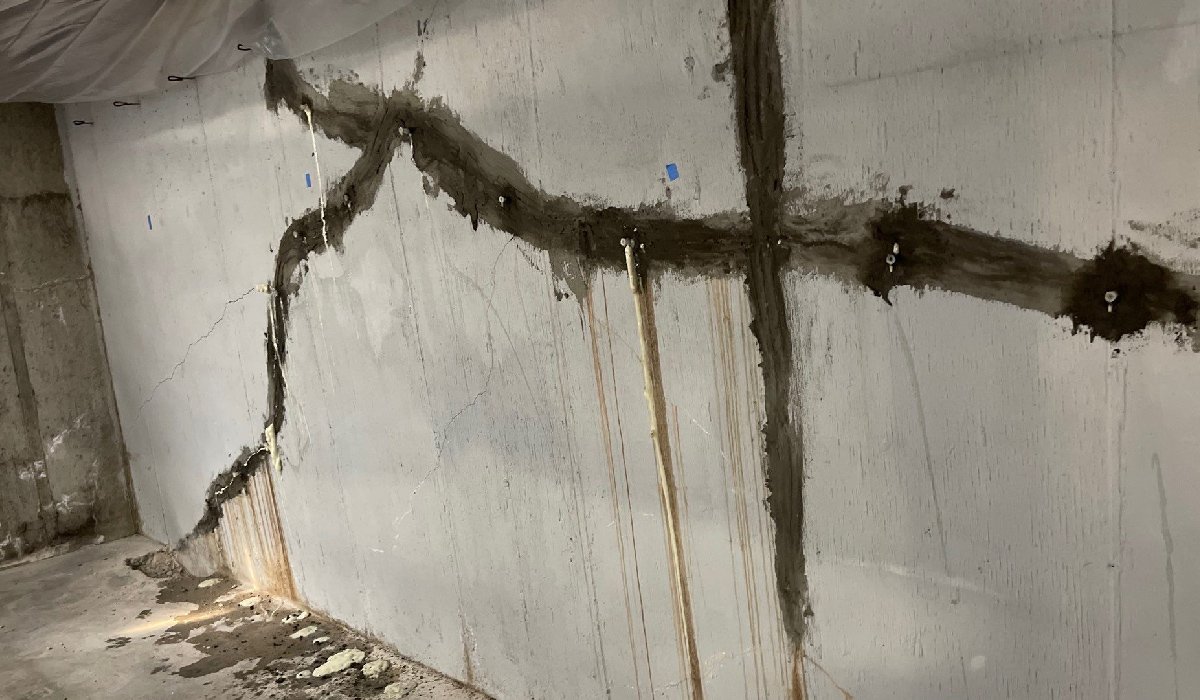
Cracked foundations are one of the most critical structural issues a building can face, notes CMG Toronto specialists. They are not only unsightly but can also compromise the integrity of an entire structure. Foundation cracks can appear in homes, commercial buildings, and industrial properties, and understanding the reasons behind these cracks is essential for effective repair and long-term stability. While some cracks are superficial and primarily cosmetic, others indicate severe structural problems that require immediate attention. Ignoring these signs can lead to costly repairs and even potential safety hazards. This article delves deep into the causes, risks, and solutions associated with cracked foundations, providing insight into why professional intervention, such as basement waterproofing services, is often necessary.
Causes of Cracked Foundations
Cracked foundations are rarely caused by a single factor; instead, they usually result from a combination of soil, environmental, and construction-related issues. One of the most common causes is soil movement. Expansive clay soils, for example, can shrink during dry periods and swell when wet, exerting tremendous pressure on foundation walls. Similarly, soil that was improperly compacted during construction may settle unevenly, causing stress and cracks over time.
Another significant factor is poor construction practices. Foundations that are not designed to accommodate the local soil conditions or that use substandard materials are more prone to cracking. In addition, inadequate drainage around the property can exacerbate foundation stress. When water accumulates near the foundation, it can erode the soil and increase hydrostatic pressure, leading to cracks in walls and floors. Temperature fluctuations and freeze-thaw cycles can also contribute, particularly in regions with harsh winters, as the expansion and contraction of concrete and soil create structural stress.
Cracked foundations may also result from natural disasters or external forces. Earthquakes, floods, and heavy storms can cause immediate and visible damage. Even minor vibrations from nearby construction projects or traffic can, over time, contribute to the formation of cracks. Recognizing the underlying cause is crucial because it determines the appropriate repair method and the preventative measures needed to avoid future damage.
Signs That Cracks Are Serious
Not all cracks are an immediate cause for concern, but certain indicators suggest that the structural integrity of a foundation is compromised. Vertical or diagonal cracks in foundation walls, especially those wider than a quarter-inch, are a warning sign. Stair-step cracks in brick or masonry walls are also indicative of shifting foundations. In addition to visible wall damage, interior signs such as uneven floors, doors and windows that stick, or gaps between walls and ceilings often accompany serious foundation issues.
Moisture intrusion is another critical symptom. Water seeping through foundation cracks can lead to mold growth, wood rot, and deterioration of building materials. Persistent water problems often require professional solutions, including basement waterproofing services, to address the root cause and protect the interior of the structure. Foundation issues should never be ignored, as small cracks can expand over time, increasing both repair costs and safety risks.
Risks Associated With Cracked Foundations
The presence of cracked foundations carries multiple risks, both structural and financial. From a structural perspective, foundation cracks weaken the building’s load-bearing capacity. Over time, this can lead to uneven settling, bowing walls, or even partial collapse in extreme cases. The longer a problem goes unaddressed, the more extensive the damage can become, sometimes affecting plumbing, electrical systems, and overall building stability.
Financially, cracked foundations can significantly reduce property value. Prospective buyers are often wary of investing in a building with foundation issues, and obtaining insurance for properties with existing cracks may be challenging. Additionally, repairs can be costly, especially if cracks worsen or lead to water damage. Addressing foundation problems early not only protects the structure but also saves money in the long term. By investing in preventative measures, such as proper drainage systems or professional basement waterproofing services, homeowners can avoid costly remediation efforts later.
Cracked foundations can also pose health risks. Moisture seeping into cracks creates an environment conducive to mold and mildew growth. Mold spores can affect indoor air quality and trigger respiratory issues, allergies, and other health problems for occupants. Structural instability, combined with water intrusion, emphasizes the importance of timely intervention and ongoing maintenance.
Methods for Repairing Cracked Foundations
Repairing cracked foundations requires a careful assessment of the damage and selection of appropriate repair techniques. Minor, non-structural cracks may be filled with epoxy or polyurethane injections. These materials bond the concrete and restore some integrity to the affected area. For more extensive cracks, foundation underpinning or piering might be necessary. This involves driving steel or concrete piers beneath the foundation to stabilize and lift the structure back into alignment.
Another effective method is slabjacking, where a grout mixture is injected beneath a concrete slab to lift it and fill voids. This is particularly useful for horizontal cracks and settling floors. In some cases, foundation walls may require reinforcement with steel or carbon fiber strips to prevent further movement. It is essential to consult a foundation specialist before attempting repairs, as improper techniques can exacerbate the problem or compromise building safety.
Alongside structural repairs, addressing water-related issues is crucial. Installing proper drainage systems, repairing gutters, and implementing basement waterproofing services can prevent moisture from reaching the foundation. Water management solutions not only protect the foundation but also maintain the overall health of the building interior, preventing mold and material deterioration.
Preventative Measures to Avoid Foundation Cracks
Prevention is always more effective and economical than repair. Homeowners and building managers can take several proactive steps to minimize the risk of cracked foundations. Ensuring proper soil compaction during construction is essential. Soil should be tested for its load-bearing capacity and adjusted as necessary to support the structure adequately. Landscaping practices should also direct water away from the foundation, reducing hydrostatic pressure and erosion risks.
Regular maintenance is equally important. Inspecting foundation walls, floors, and interior spaces for early signs of cracking allows for timely intervention. Seasonal maintenance, such as clearing gutters, monitoring irrigation systems, and managing tree roots, can prevent soil movement that contributes to cracks. Engaging professionals for periodic evaluations ensures that small issues are addressed before they develop into severe structural problems.
In addition, foundation waterproofing plays a pivotal role in prevention. By controlling moisture around the foundation, water-related stress on the concrete is minimized, reducing the likelihood of cracks. Professional basement waterproofing services use advanced techniques to seal walls, manage water flow, and maintain the stability of the foundation over time. Combining structural reinforcement with moisture control provides the most comprehensive protection against foundation problems.
Long-Term Implications of Ignoring Foundation Cracks
Ignoring cracked foundations can have serious long-term consequences. Over time, cracks can expand, allowing water and pests to infiltrate the building. Water infiltration can compromise flooring, insulation, and electrical systems, leading to costly repairs and potential safety hazards. Structural deterioration may progress to the point where extensive underpinning or even partial reconstruction becomes necessary.
From a financial standpoint, the longer foundation issues are ignored, the more difficult and expensive repairs become. Real estate resale value can decline, and insurance premiums may rise due to perceived risk. Health concerns may also escalate, especially if moisture leads to mold infestation or poor indoor air quality. Therefore, timely action is critical, and professional assessment should always be sought at the first sign of cracking.
Conclusion
Cracked foundations are a serious concern that requires careful attention and timely intervention. Understanding the causes, recognizing warning signs, and knowing the appropriate repair and preventative methods are essential for maintaining the safety, stability, and value of any building. While some cracks may be minor, others indicate significant structural stress that should never be ignored. Investing in preventive measures, such as proper soil management, regular inspections, and professional basement waterproofing services can protect against costly repairs and maintain the integrity of a structure for years to come.
Ultimately, addressing cracked foundations is not just about repairing damage, it is about safeguarding the investment, health, and safety of the building and its occupants. Proactive measures combined with professional guidance provide the most effective strategy for managing foundation problems and ensuring long-term structural stability.
