


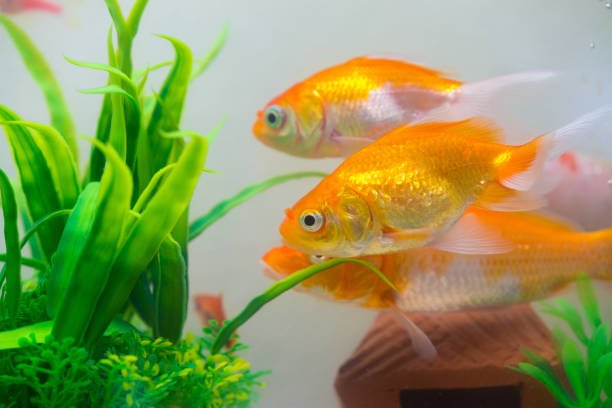
Feeding goldfish is not as easy as one thinks, incorrect feeding is a major cause of sickness, stress and even premature deaths of aquarium goldfish. Most of the owners feed their fish excessively or inadequately without consciously understanding how feeding habits are directly proportional to water quality and general health of the goldfish tank. The important part is to know how frequently to feed goldfish and the impact of the feeding process on the environment to ensure the long-term maintenance of feeding and healthy and active goldfish.
In this guide, we are going to unravel all that you need to know about the goldfish feeding schedules, food portion size, the type of food to feed your goldfish and the direct effect of how the feeding habits have on your goldfish tank. It doesn’t matter whether you have just one fancy goldfish or you have an aquarium of multi-fishes, this article will assist you in developing a feeding schedule that enhances growth, digestion, water conditions and so on.
Why Feeding Frequency is an Important Issue with Goldfish.
Goldfish are idle consumers i.e. they will consume whenever there is food. This behavior is useful in their wild habitat to survive but when they are placed in a goldfish tank it tends to cause over feeding. And it is not only the fish that is overfed but also results in surplus waste that contaminates water leading to ammonia spikes and adverse conditions in the tank.
The feeding frequency is an important factor in digestion, the fitness of the swim bladder, and waste generation. Goldfish do not have a real stomach, and thus the food is absorbed fast in the digestive system. This implies that they enjoy having smaller meals but more frequent meals as opposed to having huge portions as a single sitting. This biological feature is important in understanding the frequency of the proper feeding of goldfish.
Frequency of Feeding Goldfish in a Home aquarium.
Two small meals daily are the best feeding regime of most healthy adult goldfish. It is better to feed them once a morning and once an evening so that the energy levels do not go off scale and the digestive system is not overloaded. The amount of food to be fed to the fish in every feeding should just last between 30 and 60 seconds.
Others feed their fish one time a day, and this is more common in well-established tanks of goldfish. Partially this method can succeed, though some parts should be regulated. Excessive feeding within a short period will result in wastefulness and excessive feeding will lead to slower growth and weaken the immune system.
Young Goldfish vs Adult Goldfish Feeding.
The frequency of feeding the goldfish greatly depends on the age of the fish. Juvenile or young goldfish are still developing, and need more frequent feeds- two or three times a day. They have a fast rate of growth as they have a high metabolic rate but should not be given large portions because of digestional complications.
Adult goldfish, however, grow at a slower rate and do not require substantial food. Two times every day is normally enough to feed them. The frequency of feeding your fish should be changed in accordance as it grows, which keeps the goldfish tank healthier and cleaner.
The Effect of Aerobic Feeding on the Water Quality of a Tank of Goldfish.
Whenever you feed your goldfish, the quality of the water in the tank is influenced. Unconsumed food sunk to the surface and decomposed and ammonia was produced in the water. Simultaneously, the production of waste by goldfish also takes place soon after eating, which contributes to the further accumulation of toxins.
It is due to this that feeding frequency and portion size should be put into consideration, along with filtration and tank size. A goldfish tank with a limited amount of water and inadequate filtration will become cloudy, develop algae, and have unsafe amounts of ammonia in a short period of time. Proper feeding minimizes maintenance activities and assists in the preservation of a consistent and healthy aquatic environment.
Most Suitable Food to Goldfish
The frequency of feeding goldfish is not the only part of the equation, but the kind of food you feed them on is also important. Their diet should be based on high-quality goldfish pellets or flakes that are specially formulated to meet the needs of goldfish. Pellets are usually more popular due to less wastage and control of portion consumption.
Fresh vegetables like blanched peas, spinach, lettuce, and zucchini are also beneficial to goldfish besides commercial food. These foods help in digestion and help avoid constipation which is a major problem with goldfish tanks. Protein snacks such as bloodworms or brine shrimp can be fed every now and then but not on a daily basis.
Floating and Sinking Food: Which is better?
Commonly used is floating food, which may result in gulping of air by the goldfish in the incident of feeding on the surface. This practice exposes swimmers to dangers of swim bladder problems especially in fancy goldfish species. It is preferable to use sinking pellets, which tend to promote foraging instinct and decrease the airflow.
When you feed, you can also soak the food for a few minutes to avoid digestive issues in case you use floating food. The selection of the proper type of food will help in improved digestion and in the wellbeing of the goldfish tank in general.
How to tell you are over-feeding your goldfish.
One of the most prevalent mistakes made by the owners of goldfish is overfeeding. Indications of overfeeding would be hazy water, excessive growth of algae, food lying uneaten in the bottom of the tank, and lethargic or bloated fish. Another problem that you might observe is the frequent water quality problems even after the tanks have been taken care of.
When you notice the following symptoms, decrease the frequency or amount of food at once. One feeding per week will help to reestablish the digestion and perform better in terms of water in the goldfish tank.
Symptoms of Underfeeding your Goldfish.
Although overfeeding is more prevalent, underfeeding may prove to be a problem, too. Goldfish which are not getting sufficient feeding can look thin, active or growing slowly. They also tend to be more aggressive when they feed because there is a challenge of food.
Should your goldfish always have their food finished in a few seconds and always seem hungry, you might have to feed them more or a little more often. There must be a balance between fish and tanks to ensure their health as well as cleanliness.
There should be seasonal adjustments of the feeding.
The metabolism of goldfish varies according to the temperature of the water. Their digestion is greatly retarded in colder water (less than 60 F or 15 C). In the winter season or other unheated goldfish tanks, food intake must be decreased to once a day, or even once in every two days.
Goldfish become more active and need more energy during hot seasons. In hot tanks or during the summer season, twice per day feeding is most suitable. It is important to always change the feeding according to the level of activity and the water temperature and not strictly follow a specific feeding schedule.
Feeding Goldfish in Community Tanks
Feeding would get complicated in case you have several goldfish in one place. Dominating fish might consume more merits and shy fish might have difficulties in obtaining sufficient food. Food can be distributed throughout the tank to make sure that every fish has his or her portion.
Alternatively the distribution of food can be achieved by feeding on sinking pellets in larger tanks of goldfish. You can always see your fish during its feeding time and check whether they are eating well.
The Correlation between Feeding and Tank Maintenance.
The feeding habits are the reason why you need to clean the goldfish tank frequently. The consequences of overfeeding are a high rate of water change, filter clogging, and unstable water parameters. Correct feeding will decrease the amount of waste and simplify and predict tank maintenance.
The correct quantity of water at the correct frequency will keep the water clear, healthier and the ecosystem well balanced. The method is advantageous to the beginners and advanced aquarists.
Conclusion
The frequency at which goldfish should be fed is very crucial to the health of goldfish and maintenance of your goldfish tank. Most of the goldfish do well on two small feedings a day, but such variables as age, water temperature, tank size and activity level must be taken into consideration. Giving the right quantity of good quality food keeps your fish healthy as well as causes less stress to the filtration system of your tank.
With close attention and observation of your goldfish and proper adjustments in feeding it whenever necessary, you can make the environment in which your fish will live, stable and prosperous. You can invest time to perfect your feeding schedule, oversee water quality and experience the rewarding process of good goldfish keeping.
Frequently Asked Question (FAQ)
- What is the frequency of feeding gold fish in a little goldfish tank?
The food intake should be minimal once or twice a day with small portions in small goldfish tanks. Small tank over feeding can soon impair the quality of water and cause damage to your fish.
- Is it possible to feed my goldfish only once a day as opposed to twice?
Yes, it is possible to feed once a day provided the portions are correct. In well maintained tanks, many goldfish can be fed once a day, particularly maintained in good health.
- Is it appropriate to feed goldfish every day?
Yes, a normal feeding scheme of goldfish should be done daily. But it is possible to get improvements in digestion and waste accumulation in the tank by missing one feeding a week.
- But do I know when I am overfeeding my goldfish?
When you can not eat the food after one minute or when the water turns cloudy within a short time then you are probably over feeding. Eat less now to save the quality of water.
- Will the feeding influence the cleanliness of a goldfish tank?
Absolutely. Overfeeding or feeding excessively contributes to the waste and elevated levels of the ammonia leading to a dirty tank that is difficult to treat.
- At what time of day should goldfish be fed?
The optimal feeding times are morning and early evening. Regularity aids in controlling digestion and maintaining the behavior of goldfish.
