


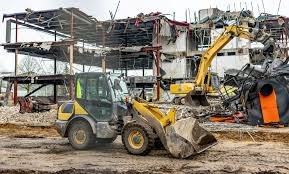
Introduction to Demolition and Its Importance
Demolition is a critical phase in the construction and renovation industry, encompassing the controlled dismantling, removal, or destruction of structures to make way for new developments or renovations. This process is far more complex than merely tearing down walls or buildings; it requires careful planning, specialized equipment, and strict adherence to safety protocols to ensure efficiency and minimize risks. A professional approach to demolition protects workers, neighboring properties, and the environment, while also reducing unexpected costs and delays. By understanding the methods, equipment, and best practices involved, property owners and contractors can approach demolition projects with confidence, ensuring a seamless transition from old structures to new developments.
Planning and Preparation for Demolition
Successful demolition begins long before any physical work takes place. Detailed planning is essential to assess structural integrity, identify potential hazards, and determine the most efficient removal techniques. Professionals conduct thorough inspections, including material analysis, load assessments, and environmental considerations such as the presence of asbestos or hazardous chemicals. Proper planning also involves obtaining necessary permits, coordinating with local authorities, and developing a detailed project timeline. A well-prepared demolition plan ensures that the project is executed safely, efficiently, and within budget, while also complying with legal and environmental regulations. Preparing a site may involve clearing obstacles, securing utilities, and establishing controlled access zones to prevent accidents and ensure smooth workflow throughout the project.
Types of Demolition Methods
Demolition projects vary in scale, complexity, and purpose, which determines the most appropriate method. Traditional manual demolition is suitable for smaller structures, where skilled workers use hand tools to dismantle components systematically. Mechanical demolition employs heavy machinery, such as excavators with hydraulic breakers, wrecking balls, or high-reach arms, to handle larger buildings or more robust materials efficiently. Implosion is a specialized technique where controlled explosives are strategically placed to collapse a structure safely within a confined area, typically used for large-scale urban projects. Deconstruction, another method gaining popularity, involves carefully dismantling a building to salvage materials for reuse or recycling, supporting sustainable construction practices. Choosing the right demolition method requires evaluating structural characteristics, environmental factors, surrounding infrastructure, and project goals to ensure both safety and efficiency.
Equipment and Technology in Modern Demolition
Modern demolition relies on advanced equipment and technology to perform tasks with precision, speed, and safety. Excavators, bulldozers, cranes, and skid-steer loaders are essential for removing debris and heavy materials. Hydraulic breakers and shears enable the dismantling of concrete, steel, and reinforced structures. In addition to machinery, digital tools such as 3D modeling, laser scanning, and project management software help professionals plan and monitor demolition activities with accuracy. These technologies allow teams to assess structural weaknesses, predict debris patterns, and identify potential risks before initiating work. Incorporating such innovations enhances efficiency, reduces errors, and ensures compliance with safety and environmental standards.
Safety Protocols and Risk Management
Demolition is inherently high-risk, and strict safety measures are crucial to prevent accidents and property damage. Professionals follow comprehensive safety protocols, including personal protective equipment, controlled access zones, and continuous monitoring of structural stability during the process. Risk management involves identifying potential hazards such as falling debris, structural collapses, dust exposure, hazardous materials, and proximity to neighboring buildings or utilities. Contingency plans and emergency response strategies are established to address unforeseen events, ensuring that teams can respond quickly and effectively. Regular training and adherence to occupational safety standards maintain a culture of safety, protecting workers, clients, and the surrounding environment.
Environmental Considerations in Demolition
Sustainable demolition practices have become increasingly important in modern construction. Proper handling of waste materials, recycling of metals, concrete, and wood, and careful management of hazardous substances are all part of responsible demolition operations. Deconstruction and material salvage reduce landfill waste, conserve natural resources, and support environmentally friendly construction initiatives. Dust suppression systems, water sprays, and air filtration methods minimize airborne pollutants, protecting workers and nearby communities. Environmental responsibility in demolition not only mitigates ecological impact but also aligns with regulatory requirements and corporate sustainability goals, enhancing the reputation of contractors and property owners alike.
The Role of Professional Demolition Services
Engaging professional demolition services ensures that projects are completed efficiently, safely, and in compliance with all regulations. Experienced teams bring technical expertise, specialized equipment, and structured project management to handle complex demolition scenarios. Professionals assess the unique characteristics of each project, develop customized plans, and execute work with precision, reducing the risk of delays, accidents, and unexpected costs. In addition to physical demolition, these services often include debris removal, site cleanup, and preparation for new construction, providing comprehensive support from start to finish. Property owners benefit from the peace of mind that comes with knowing experienced professionals are managing every aspect of the demolition process.
Insurance, Legal Compliance, and Documentation
Demolition projects require careful attention to insurance, legal compliance, and documentation. Contractors must ensure that liability coverage, workers’ compensation, and property insurance are in place to protect against potential accidents or damages. Legal compliance involves obtaining proper permits, adhering to zoning regulations, and following environmental and safety standards. Detailed documentation of the demolition process, including photographs, material disposal records, and progress reports, supports accountability and transparency. Proper documentation is essential not only for regulatory compliance but also for insurance claims, project evaluation, and future planning, ensuring that all stakeholders are informed and protected throughout the project.
Conclusion
Demolition is a complex and essential process within the construction and renovation industry. It involves careful planning, advanced equipment, strict safety protocols, environmental responsibility, and professional expertise to ensure that structures are removed efficiently and safely. A professional approach to demolition minimizes risks, preserves surrounding property, and supports sustainable construction practices while preparing the site for new developments. Understanding the methods, tools, and responsibilities involved allows property owners and contractors to approach demolition projects with confidence, knowing that the process will be executed effectively and responsibly. By prioritizing safety, efficiency, and environmental stewardship, modern demolition practices provide a foundation for successful construction and redevelopment projects, making it an indispensable part of the built environment.
