


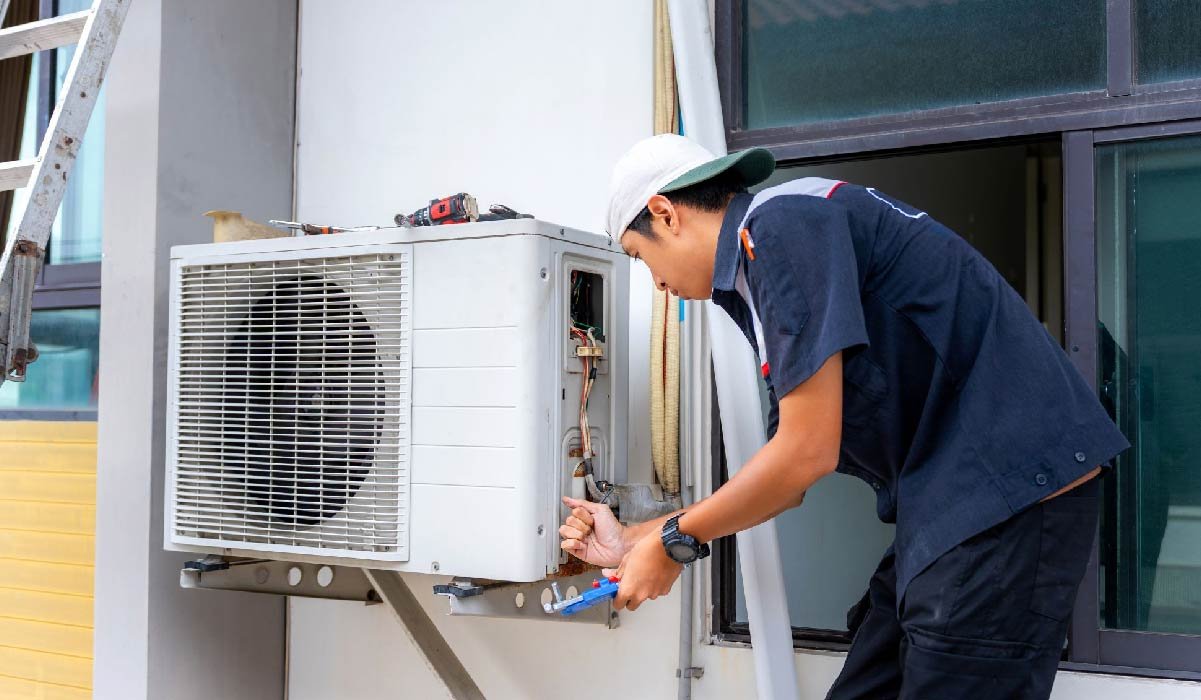
Replacing an air conditioner is a significant home investment, but it is also a crucial step in ensuring comfort, energy efficiency, and indoor air quality, notes TPG Management solutions. Whether your current system is outdated, inefficient, or malfunctioning, air conditioner replacement can improve cooling performance, reduce energy costs, and extend the lifespan of your HVAC system. Understanding when to replace your air conditioner, how to select the right system, and what the installation process entails is essential for making informed decisions and maximizing the value of your investment.
Many homeowners delay air conditioner replacement due to the perceived cost, but continuing to operate an inefficient or failing system can lead to higher utility bills, frequent repairs, and discomfort during hot months. Modern air conditioning units are more energy-efficient, quieter, and better equipped to maintain consistent indoor temperatures than older models. Additionally, technological advancements such as smart thermostats, variable-speed compressors, and environmentally friendly refrigerants provide long-term benefits that make replacement a worthwhile consideration for most households.
Signs You Need an Air Conditioner Replacement
Recognizing when your air conditioner needs replacement is the first step in maintaining a comfortable home environment. Common indicators include frequent breakdowns, reduced cooling efficiency, strange noises, and increasing energy bills. Systems over 10–15 years old may also struggle to meet modern energy standards, making replacement a cost-effective option.
Other warning signs include inconsistent cooling across rooms, visible refrigerant leaks, or the presence of outdated R-22 refrigerant, which is being phased out due to environmental regulations. Homeowners who notice any of these signs should consult a licensed HVAC professional to assess whether repair or replacement is the best course of action. Early replacement can prevent costly emergency repairs and maintain consistent comfort throughout the year.
Choosing the Right Air Conditioner for Your Home
Selecting the right air conditioner is a critical decision that affects energy efficiency, comfort, and long-term maintenance. Factors to consider include the size of the unit, type of system, energy efficiency rating, and features that enhance usability.
System size must be matched to the square footage and layout of your home. Oversized units cycle on and off too frequently, reducing efficiency and increasing wear, while undersized systems struggle to maintain comfortable temperatures. Types of air conditioners include central air systems, ductless mini-splits, window units, and portable units. Each type has unique advantages depending on the home’s layout, insulation, and cooling needs.
Energy efficiency is measured by the SEER (Seasonal Energy Efficiency Ratio) rating for central systems or EER for smaller units. Higher ratings indicate lower energy consumption and lower utility bills. Features such as programmable thermostats, variable-speed fans, and quiet operation enhance comfort and control. Consulting a professional HVAC contractor ensures proper sizing, selection, and installation to maximize performance and longevity.
Preparing for Air Conditioner Replacement
Proper preparation before air conditioner replacement helps ensure a smooth installation process. Homeowners should clear the area around the existing unit, inspect ductwork for leaks or damage, and review electrical connections. Additionally, scheduling a professional assessment allows the contractor to evaluate the system, determine appropriate replacement options, and provide an accurate cost estimate.
Homeowners may also consider upgrading components during replacement. For example, installing a programmable thermostat, upgrading insulation, or adding zoning controls can improve overall system efficiency. Planning ahead minimizes surprises during installation and ensures that the new air conditioner operates at peak performance from day one.
The Air Conditioner Replacement Process
The replacement process typically begins with safely disconnecting and removing the old unit. Depending on the system type, this may involve disconnecting electrical connections, refrigerant lines, or ductwork. Proper disposal of the old unit is essential, particularly if it contains refrigerants that require certified handling due to environmental regulations.
Next, the new air conditioner is installed according to manufacturer specifications. This includes connecting refrigerant lines, electrical wiring, ductwork, and mounting the outdoor condenser or indoor air handler as needed. A professional technician then performs system startup and testing to ensure proper operation, including airflow, refrigerant levels, and thermostat calibration. Finally, the technician educates the homeowner on system operation, maintenance schedules, and troubleshooting tips to maximize the lifespan and efficiency of the unit.
Cost Considerations for Air Conditioner Replacement
The cost of air conditioner replacement varies based on system type, unit size, brand, and installation complexity. Central air systems typically cost more than ductless or window units due to larger components and more involved installation processes. Additional costs may include electrical upgrades, ductwork repair, or accessory installations such as thermostats or air purifiers.
While the upfront investment may seem significant, replacing an old or inefficient unit often results in long-term savings through reduced energy bills, fewer repairs, and improved comfort. Many homeowners also qualify for manufacturer rebates, utility incentives, or tax credits that further offset replacement costs. Comparing quotes from licensed HVAC contractors ensures competitive pricing and professional installation quality.
Benefits of a New Air Conditioner
Replacing an old air conditioner provides numerous benefits. A new system improves cooling efficiency, reduces energy consumption, and lowers utility costs. It also operates more quietly, offers more consistent temperature control, and improves indoor air quality by filtering dust, allergens, and pollutants.
Modern air conditioners use environmentally friendly refrigerants, reducing environmental impact while complying with current regulations. Advanced systems with smart controls allow remote monitoring, energy optimization, and customized comfort settings. Overall, investing in air conditioner replacement enhances both home comfort and long-term property value.
Maintenance After Replacement
Proper maintenance is key to maximizing the lifespan and efficiency of a new air conditioner. Regularly changing filters, cleaning coils, checking refrigerant levels, and scheduling annual professional inspections help prevent breakdowns and maintain optimal performance.
Homeowners should also monitor system performance for unusual noises, reduced cooling efficiency, or increased energy consumption. Early detection of potential issues allows for timely repairs, extending the life of the system and avoiding costly replacements. Developing a maintenance schedule with a trusted HVAC contractor ensures ongoing reliability and efficiency.
Common Replacement Mistakes to Avoid
Many homeowners make mistakes that reduce the effectiveness of air conditioner replacement. Common errors include improperly sizing the unit, selecting low-efficiency systems, neglecting ductwork issues, and hiring unlicensed contractors. Oversized or undersized units can cause temperature inconsistencies, energy inefficiency, and frequent breakdowns.
Failing to address duct leaks or poor insulation can undermine the benefits of a new air conditioner. Hiring a licensed and experienced HVAC professional is essential to ensure proper installation, compliance with local codes, and access to warranties. Taking the time to plan carefully and select a high-quality system minimizes these risks.
Final Thoughts
Air conditioner replacement is a critical investment that ensures home comfort, energy efficiency, and indoor air quality. By recognizing signs of system failure, selecting the right unit, preparing for installation, and working with licensed professionals, homeowners can achieve a smooth and successful replacement process.
Modern systems offer significant advantages over older units, including reduced energy consumption, quieter operation, and enhanced temperature control. Proper maintenance and care after installation ensure longevity, reliable performance, and cost savings. Whether upgrading an outdated unit or replacing a malfunctioning system, air conditioner replacement provides long-term benefits that enhance comfort, protect property, and improve overall quality of life.
