


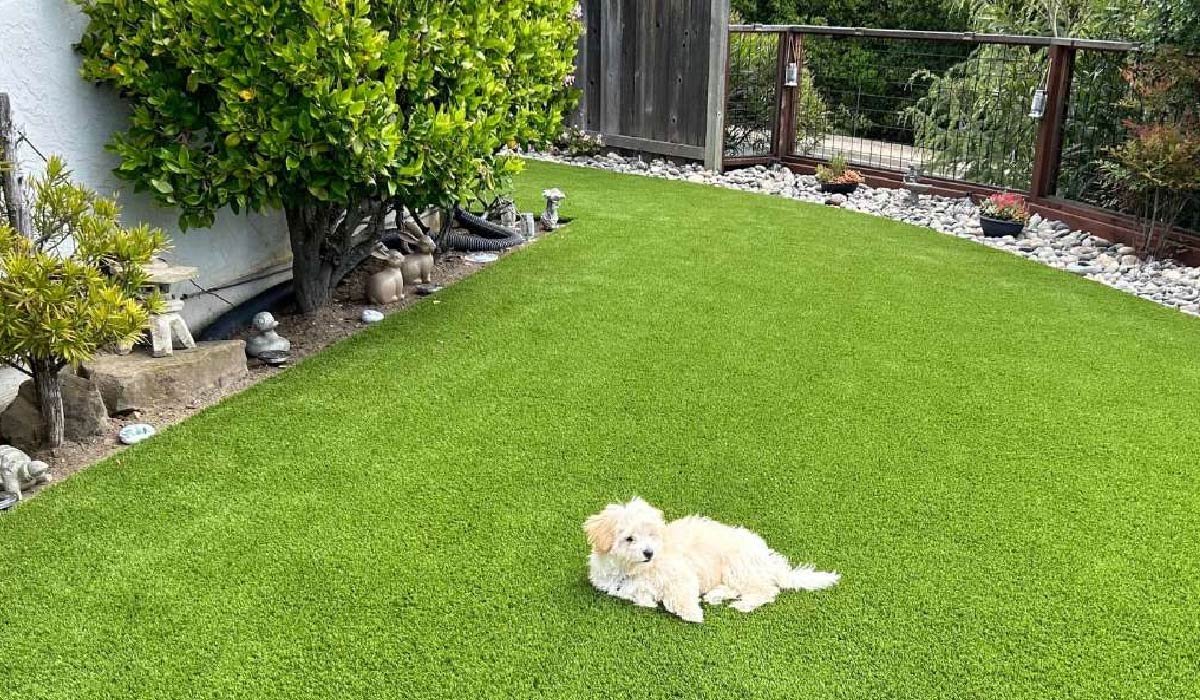
A family garden should be a place to enjoy, not a source of constant cleaning. Yet for many households, mud becomes one of the biggest frustrations in outdoor spaces says Bartsch Management. Children run in and out, dogs charge across the lawn, and after a bit of rain the garden can quickly turn into a mess that gets tracked all through the house. What starts as a simple outdoor area becomes another thing to manage.
That is why more homeowners are looking for mud free garden ideas that make life easier for both families and pets. The goal is not just to improve how the garden looks. It is to create a space that stays cleaner, works better in wet weather, and remains enjoyable throughout the year. With the right design choices, it is possible to build a garden that feels practical, attractive, and much easier to live with.
Start With a Lawn That Does Not Turn to Mud
The lawn is usually the main source of garden mess. Natural grass can struggle in busy family spaces, especially where there is a lot of foot traffic, pets, or poor weather. Once the ground becomes wet and worn, muddy patches appear quickly. These patches do not just affect the look of the garden. They also create extra cleaning indoors every time someone comes back into the house.
Artificial grass is one of the most effective ways to reduce that problem. It gives the garden a green and tidy surface without the same risk of turning muddy after rain. This makes a huge difference in homes where outdoor play, pets, and daily use are part of normal life.
For homeowners looking into Artificial Grass Nottingham, one of the biggest advantages is how much cleaner the garden becomes through changing weather. A more stable surface means less mud underfoot and less mess coming back indoors.
Add Practical Paths and Walkways
One of the easiest ways to create a mud free garden is to think carefully about how people and pets move through the space. If there is no clear route between the house, lawn, seating area, and other parts of the garden, traffic often wears down the grass in the same places. Over time, those worn routes become muddy problem spots.
Adding practical paths or stepping stones helps guide movement and protect the rest of the garden. Paved walkways, stone paths, or decorative slabs set into artificial grass can make the whole layout feel more intentional while also reducing mess. This is especially useful near the back door, where the garden and home connect most directly.
A simple path can make everyday use more comfortable for the whole household and reduce the amount of dirt brought inside.
Create Defined Zones for Pets and Play
Mud often becomes worse in gardens where everything happens in one open area. Dogs run across the same lawn section, children play in high traffic corners, and seating or storage areas sit on surfaces that are already under pressure. Creating defined zones can help the garden stay cleaner and easier to manage.
For example, families can keep one main lawn area open for general use, create a paved or decked zone for seating, and add a separate play or pet space where needed. Artificial grass works particularly well in this kind of layout because it helps connect the different areas while still keeping the overall design clean and simple.
For people considering Artificial Grass Leicester, this ability to build a more usable and organized family garden is often a major reason to choose it. It makes the space feel more practical without sacrificing appearance.
Use Raised Beds and Borders to Keep Soil Contained
Another common source of mess in family gardens is exposed soil. Flower beds, planting areas, and loose borders can quickly spill into the main garden space, especially if children or pets regularly move through them. When that soil mixes with rain, it only adds to the mud problem.
Raised beds are a smart solution. They keep planting areas contained, make the garden look more structured, and reduce the risk of soil spreading across the lawn or patio. They also work beautifully alongside artificial grass because the crisp lawn provides a clean contrast to greenery and flowers.
This type of planting setup is not only easier to maintain. It also helps the whole garden feel more polished and better planned.
Include a Clean Transition Near the House
The area closest to the home is often where the mud problem feels worst. Even if the rest of the garden looks fine, a messy patch near the back door quickly becomes a daily frustration. That is why it helps to create a cleaner transition zone between the house and the main garden.
Patios, paving, decking, or a short path section just outside the door can all help reduce the amount of dirt coming inside. This gives families and pets a more stable place to step before entering the home. Combined with artificial grass, it creates a more practical layout that supports everyday use much better than a lawn that runs directly up to the doorway.
A cleaner entry point can have a surprisingly big impact on how manageable the whole garden feels.
Make the Garden Easier to Wash Down and Maintain
A mud free garden is not only about choosing the right surface. It is also about making the space easier to keep tidy. Artificial grass is especially useful here because it is much easier to manage than a natural lawn. Leaves, pet hair, and light debris can be brushed away, and the surface can be rinsed when needed without becoming muddy in the process.
This matters for family and pet gardens because regular use naturally creates some level of mess. The difference is that with the right setup, that mess is easier to control. Instead of dealing with churned up turf and soggy soil, homeowners can keep the garden fresher with less effort.
This lower maintenance routine is one of the key reasons so many busy households prefer artificial grass in active outdoor spaces.
Think About Shade, Shelter, and Comfort
A garden that works well for families and pets should not only stay cleaner. It should also feel comfortable to use. Adding shaded areas, covered seating, or sheltered corners can help make the space more practical in different weather conditions. It also encourages more year round use, which adds more value to the garden overall.
Artificial grass supports this kind of design because it stays visually consistent even in areas where natural grass may struggle due to shade or regular wear. This means homeowners do not have to choose between comfort and appearance. They can create a garden that feels more usable while still looking neat and inviting.
Final Thoughts
Mud free garden ideas for families and pets begin with smarter choices about the surfaces, layout, and features that shape everyday use. A low mess lawn, practical paths, defined zones, raised planting, and a cleaner transition near the house can all make a major difference. These improvements do not just make the garden look better. They make it far easier to live with.
Artificial grass is one of the most effective ways to create that kind of outdoor space. It helps reduce mud, supports family and pet friendly use, and keeps the garden looking cleaner throughout the year. For homeowners who want an outdoor area that feels more enjoyable and less stressful, it is a smart step toward a more practical garden.
