


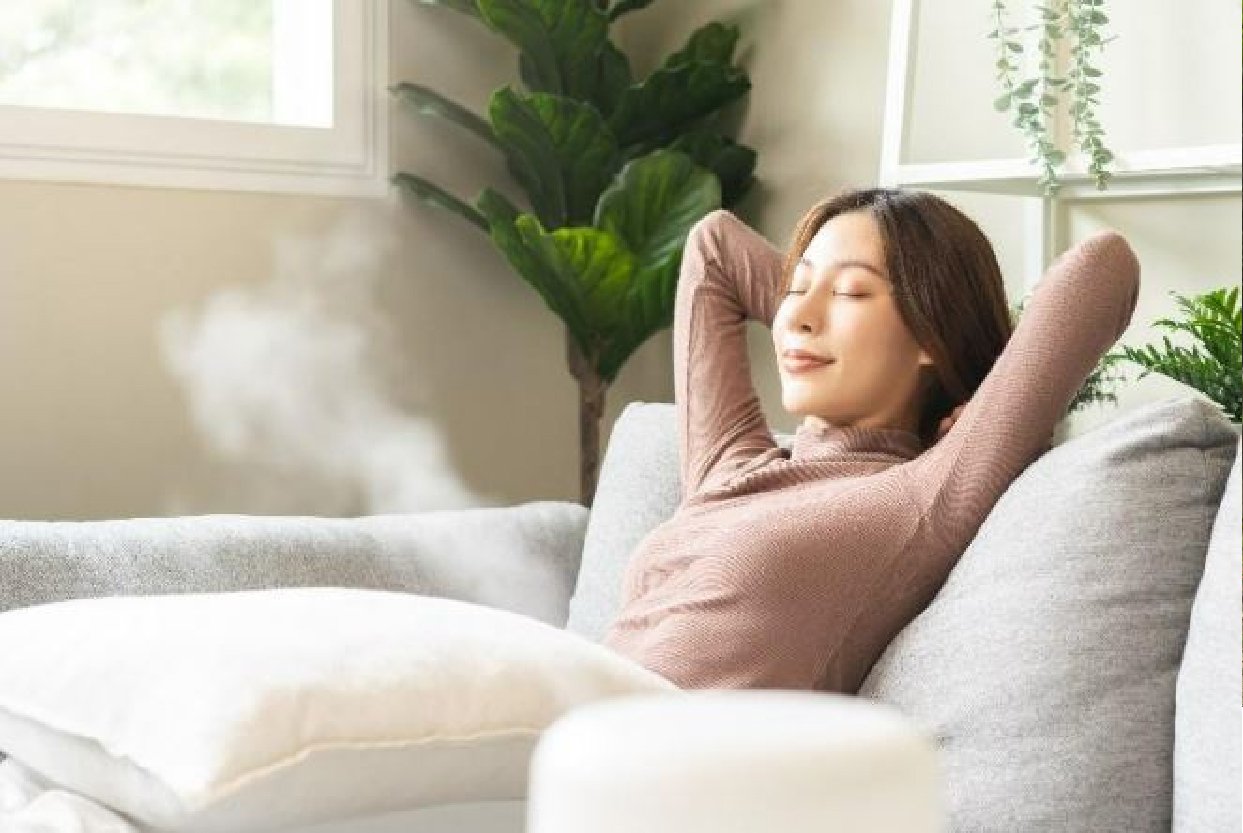
Maintaining good indoor air quality (IAQ) is one of the most important yet often overlooked aspects of home health and comfort, advises the Liberty Real Estate team. Poor air quality can lead to a range of problems, from allergies and asthma flare-ups to headaches, fatigue, and even long-term respiratory issues. With people spending an increasing amount of time indoors, particularly during extreme weather months, ensuring clean and healthy air has become essential for both comfort and well-being. Fortunately, modern indoor air quality solutions make it possible for homeowners to control pollutants, regulate humidity, and maintain a consistent flow of fresh air throughout their living spaces. From advanced filtration systems and humidifiers to whole-home ventilation and air purification technologies, today’s solutions are designed to improve health, protect property, and enhance comfort year-round. This article explores the best strategies for improving indoor air quality and explains how professional services can make a significant difference in keeping your home safe, healthy, and comfortable.
Why Indoor Air Quality Matters
Indoor air quality is critical because the air inside our homes can sometimes be more polluted than outdoor air. According to environmental studies, common indoor pollutants include dust, pet dander, mold spores, volatile organic compounds (VOCs) from cleaning products or paints, and carbon monoxide from heating appliances. Prolonged exposure to these pollutants can trigger respiratory issues, worsen allergies, or exacerbate chronic conditions like asthma. Poor IAQ can also affect sleep quality, cognitive function, and overall comfort, making homes feel stuffy, dry, or uncomfortable. Beyond health, indoor air quality impacts the longevity of a home’s interior. High humidity can promote mold growth, damage wood surfaces, and contribute to unpleasant odors. Conversely, excessively dry air can cause cracking in wooden furniture, static electricity buildup, and irritation to skin and nasal passages. Addressing IAQ is not just about breathing easier it is about protecting your home, enhancing comfort, and creating a healthier living environment year-round.
Common Factors That Affect Indoor Air Quality
Several factors influence indoor air quality, and understanding them helps homeowners take effective action. Ventilation is critical: homes that are tightly sealed for energy efficiency may trap pollutants and prevent fresh air circulation. Humidity levels also play a significant role; too much moisture encourages mold and dust mites, while dry air can irritate skin and respiratory passages. HVAC systems are another key factor, as clogged or poorly maintained filters circulate dust, pollen, and other contaminants throughout the home. Finally, household activities—such as cooking, cleaning, or using chemical products—can introduce pollutants that linger indoors if not properly filtered or ventilated. By identifying the sources of poor IAQ and implementing appropriate solutions, homeowners can take control of their indoor environment, reduce health risks, and improve overall comfort throughout the year.
Effective Indoor Air Quality Solutions
Modern IAQ solutions combine technology and practical strategies to reduce contaminants, balance humidity, and improve airflow. High-efficiency particulate air (HEPA) filters and pleated filters capture dust, pollen, pet dander, and even microscopic particles that standard filters cannot. Whole-home air filtration systems installed within the HVAC ductwork provide consistent, centralized purification, ensuring that clean air reaches every room. These systems reduce allergens, limit dust accumulation, and help maintain a healthier indoor environment. Standalone air purifiers are ideal for targeting specific rooms or areas with higher pollutant exposure, such as bedrooms or living rooms. Advanced purifiers may use a combination of HEPA filters, activated carbon, and UV light to remove particles, odors, and microbes. This targeted approach is especially beneficial for allergy sufferers or households with pets. Proper humidity levels, generally between 40 and 60 percent, prevent mold growth, dust mites, and dry air-related issues. Humidifiers add moisture during dry months, while dehumidifiers reduce excess humidity in basements or damp areas. Whole-home systems can integrate humidity control with HVAC systems, maintaining a balanced environment automatically and efficiently. Modern ventilation solutions, such as energy recovery ventilators (ERVs) and heat recovery ventilators (HRVs), bring in fresh air from outside while minimizing energy loss. These systems exchange stale indoor air with filtered outdoor air, improving oxygen levels and reducing indoor pollutants without sacrificing comfort or energy efficiency. Smart IAQ monitors track air quality in real time, measuring pollutants, humidity, temperature, and even carbon dioxide levels. Homeowners receive alerts when air quality falls below safe levels, allowing them to take immediate corrective action, such as activating air purifiers, adjusting ventilation, or repairing leaks. This proactive approach ensures a consistently healthy environment year-round.
Benefits of Improving Indoor Air Quality
Investing in indoor air quality solutions provides multiple benefits that extend beyond immediate health improvements. Enhanced health and well-being reduce allergy symptoms, asthma triggers, and respiratory irritation while improving sleep quality and cognitive function. Balanced humidity and clean airflow prevent dry air discomfort and excess moisture, making indoor spaces more comfortable in every season. Well-maintained HVAC systems with proper filtration and ventilation operate more efficiently, reducing energy costs. Proper IAQ management prevents mold growth, wood warping, and damage to furniture or flooring caused by uncontrolled humidity. Additionally, smart monitoring systems and professional IAQ services provide ongoing assurance that a home environment is safe and comfortable. By addressing both the symptoms and the sources of poor indoor air quality, homeowners can create a healthier, more comfortable living space while protecting the long-term value of their property.
Precision Plumbing Heating Cooling Electric: Experts in Indoor Air Quality
When it comes to maintaining optimal indoor air quality, Precision Plumbing Heating Cooling Electric is a trusted partner for homeowners. With decades of experience in HVAC maintenance, repair, and indoor air quality solutions, their team combines cutting-edge technology with professional expertise to ensure homes are healthier and more comfortable year-round. Precision Plumbing Heating Cooling Electric offers comprehensive IAQ services, including advanced air filtration system installation, whole-home humidification and dehumidification solutions, ventilation upgrades, and smart IAQ monitoring systems. Their technicians provide detailed assessments to identify pollution sources, humidity imbalances, and airflow issues, recommending tailored solutions that meet each home’s unique needs. Beyond installation, they offer ongoing maintenance and monitoring services to ensure consistent air quality performance. By partnering with Precision Plumbing Heating Cooling Electric, homeowners benefit from improved health, enhanced comfort, and protection of their home environment, all while ensuring energy-efficient operation and long-term savings. Their commitment to precision and quality ensures every home receives solutions tailored to its specific needs.
Frequently Asked Questions (FAQs)
How can I tell if my indoor air quality is poor?
Common signs of poor IAQ include frequent allergy flare-ups, respiratory irritation, persistent odors, dust accumulation, and mold growth. Using smart IAQ monitors can provide precise data for accurate assessment.
Are air purifiers enough to maintain healthy indoor air?
Air purifiers significantly improve air quality, but optimal IAQ often requires a combination of filtration, proper ventilation, humidity control, and regular HVAC maintenance.
How often should HVAC filters be changed?
For most homes, filters should be replaced every three months, or more frequently if you have pets, allergies, or high dust exposure. High-efficiency systems may require specific filter types or replacement schedules.
Can humidity levels affect comfort and health?
Yes. Low humidity can irritate skin, eyes, and nasal passages, while high humidity promotes mold and dust mites. Maintaining humidity between 40–60% ensures comfort and reduces health risks.
Is a professional IAQ assessment worth the investment?
Absolutely. Professional services identify hidden problems, recommend targeted solutions, and prevent costly health or structural issues, providing long-term benefits and peace of mind.
Creating a Healthier Home Year-Round
Maintaining healthy indoor air quality is essential both for comfort and well-being. Poor air quality can affect health, disrupt sleep, and even damage a home’s structure if moisture and pollutants are left unchecked. By investing in advanced filtration systems, humidity control, ventilation upgrades, and smart monitoring, homeowners can create a safe and comfortable indoor environment throughout the year. Partnering with experts like Precision Plumbing Heating Cooling Electric ensures that indoor air quality solutions are tailored, effective, and professionally maintained. Their team brings decades of experience and advanced technology to every home, helping families breathe easier, live healthier, and enjoy consistent comfort no matter the season. Good indoor air quality is more than a convenience; it is an investment in health, comfort, and long-term home protection.
Business Name: Precision Plumbing Heating Cooling Electric
Address: 413 S Arthur Ave, Louisville, CO 80027
Phone Number: (720) 464-4485
