


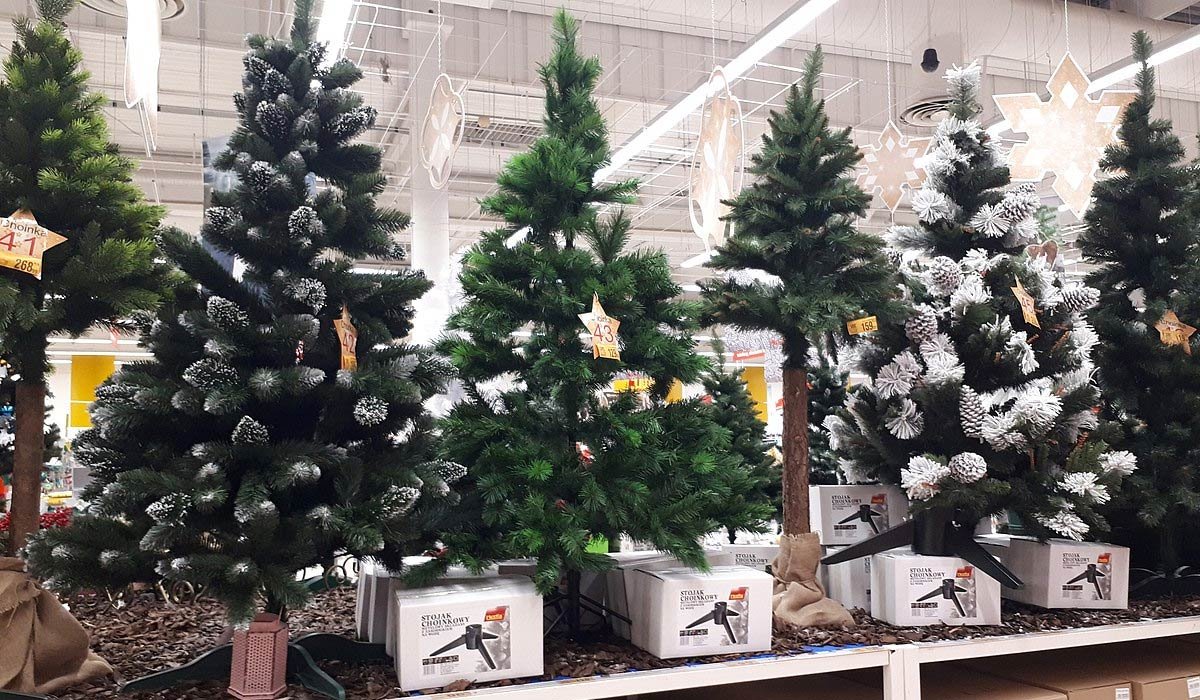
When the festive season arrives, homes light up with the spirit of Christmas, centred around the iconic Christmas tree. Choosing between a real and an artificial Christmas tree can be a crucial decision for many. While traditionalists may argue in favour of real trees, the benefits of artificial trees are hard to overlook. Artificial Christmas trees offer sustainability, cost-effectiveness, convenience, and versatility that real trees often cannot match. Below, we’ll explore these advantages in detail to show why an artificial Christmas tree might just be the perfect investment for your holiday cheer.
The Long-Term Cost Benefits of Artificial Christmas Trees
Investing in an artificial Christmas tree translates into significant long-term savings. Whereas real trees require annual expenses, an artificial tree, after the initial purchase, entails no further costs. This means that over several years, the cost per use decreases substantially, making it a cost-effective choice for budget-conscious families. Purchasing a high-quality artificial Christmas tree ensures a longer lifespan and, therefore, a more favourable environmental impact.
The durability of an artificial Christmas tree is key to its cost-effectiveness. Made from durable materials, these trees can last for many holidays, reducing the annual cost of purchasing a fresh tree. While real trees can only serve their purpose for a limited time before they start to wilt and shed, an artificial tree remains pristine year after year.
In addition to the base cost, consider incidental expenses for real trees, such as stands, skirts, and disposal fees. These recurring costs add up over time, further tipping the scales in favour of artificial alternatives. Not having to pay for tree removal services or special equipment each year can significantly reduce a household’s holiday expenses.
The market offers a range of artificial trees to fit any budget. From the luxurious, pre-lit variants to simpler, more affordable options, there is something available for every consumer. This upfront investment can be adjusted to individual financial circumstances without compromising the festive atmosphere at home.
Environmental Impact: Artificial vs. Real Christmas Trees
The environmental debate between real and artificial Christmas trees is nuanced. On the one hand, real trees are biodegradable and compostable, but their environmental footprint extends beyond these qualities. Consider the agricultural inputs, such as pesticides and water required for their cultivation, and the carbon emissions associated with their annual transport.
Artificial trees, made from non-renewable materials such as plastic and metal, can be reused for many years. This longevity reduces their annual environmental impact when spread over a tree’s lifespan. They eliminate the need for annual harvesting and disposal of real trees, which can strain local waste management systems.
Nonetheless, artificial trees do have an environmental cost when they eventually reach the end of their useful life. Responsible disposal and recycling can mitigate these concerns, but consumers must be proactive in seeking out appropriate facilities.
For those who are environmentally conscious, the choice might also reflect personal values and circumstances. For example, someone living in a rural area where real trees are locally sourced may find their choice has less environmental impact than someone in a city, where artificial trees could be a more ecological choice without incurring high transport costs.
Storage Solutions and Durability: Making the Most of Your Artificial Christmas Tree Investment
The concern about storage is valid for holiday decorations, and artificial Christmas trees excel in this regard. Their design typically allows them to be disassembled and compacted into manageable sizes. Often, they are accompanied by storage bags or boxes tailored to keep the tree safe and dust-free, ensuring it remains in prime condition year after year.
Durability is a cornerstone of the artificial tree’s appeal. They are engineered to withstand repeated use and resist wear and tear better than their real counterparts. This resilience means families can enjoy their festive centrepiece for a decade or more with proper care.
Some may argue that the tradition of choosing and cutting down a real tree each year cannot be replicated. However, the convenience, longevity, and ease of storage of an artificial tree make it an attractive option for those looking to streamline their holiday preparations and focus on enjoying the season.
An artificial Christmas tree stands not only as a symbol of the holiday season but as a wise investment in your yearly celebrations. Overall, the benefits of cost savings, environmental considerations, convenience, style flexibility, and durability make a compelling case for choosing an artificial tree, ensuring holiday cheer that lasts year after year.
