


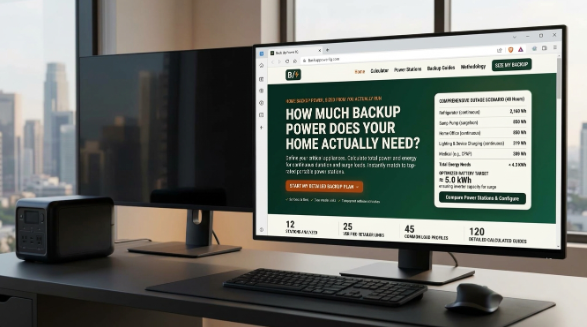
Modern households rely on electricity for almost every aspect of daily life, from preparing meals and preserving food to working remotely and maintaining comfortable indoor temperatures. However, power outages can interrupt essential activities, create inconvenience, and sometimes cause financial losses. Home backup power systems provide a practical solution by supplying electricity when the main grid becomes unavailable. With suitable equipment, families can maintain essential services, protect sensitive electronics, and continue their routines with fewer disruptions. Understanding how Home Back Up Power solutions work helps homeowners choose a system that matches their needs, energy consumption, and budget.
Understanding Home Backup Power Systems
A home backup power system provides an alternative electricity source during a power failure. Depending on its design, the system may use stored battery energy, a fuel-powered generator, or a combination of solar panels and batteries.
How Backup Systems Operate
When the main electricity supply fails, a backup system activates according to its configuration. Some systems switch automatically, while others require manual operation. Battery-based systems deliver stored electricity through an inverter, which converts direct current into alternating current for household appliances. Generators produce electricity using an engine, while hybrid systems can combine several energy sources for improved flexibility.
The primary purpose is to keep selected appliances operational until grid electricity returns. System capacity, battery storage, and power output determine how many devices can operate simultaneously and for how long.
Keeping Essential Household Appliances Running
Electricity interruptions affect different household activities in different ways. A dependable backup solution helps maintain the functions that matter most during unexpected outages.
Protecting Food and Maintaining Comfort
Refrigerators and freezers need continuous electricity to preserve food safely. Extended outages can increase spoilage risks, particularly during hot weather. Backup power helps keep these appliances running and reduces unnecessary food waste.
Fans, lighting, and selected cooling appliances can also benefit from backup electricity. In warmer climates, maintaining airflow can make indoor environments more comfortable. Homeowners should calculate the starting and running power requirements of each appliance before deciding which devices their system can support.
Supporting Work, Communication, and Security
Remote workers depend on computers, internet routers, and communication devices to remain productive. Even a brief outage can interrupt meetings, delay assignments, or disconnect important calls. A suitable backup system keeps essential digital equipment operating and helps maintain access to online services.
Security cameras, alarm systems, and selected access controls may also require electricity. By supporting these devices during an outage, backup power can help households maintain security monitoring and communication when normal services are interrupted.
Choosing the Right Backup Power Solution
Selecting an appropriate system requires more than comparing equipment prices. Homeowners should evaluate their electricity requirements, outage frequency, available space, and preferred energy sources.
Battery Storage and Solar Integration
Battery-based systems store electricity for use when needed. They generally operate quietly and can be installed indoors or outdoors when the equipment and location meet relevant safety requirements. Their performance depends on battery capacity, inverter output, and the amount of energy consumed.
Solar panels can recharge compatible batteries during daylight, reducing dependence on grid electricity. During extended outages, available sunlight and household consumption influence how long the system can continue supplying power. A properly designed solar and battery arrangement can provide greater energy independence, especially in areas experiencing frequent electricity interruptions.
Generators and Hybrid Arrangements
Fuel-powered generators can supply electricity for extended periods when fuel remains available. They may suit households with substantial power requirements, although noise, maintenance, fuel costs, and emissions must be considered.
Hybrid arrangements combine technologies to address different needs. For example, batteries may handle short interruptions and sensitive electronics, while a generator provides additional support during prolonged outages. The most suitable configuration depends on household priorities and local operating conditions.
Improving Energy Efficiency During Outages
Even a powerful backup system can run out of stored energy quickly if unnecessary appliances remain switched on. Efficient electricity use extends operating time and improves the value of the installation.
Prioritising Essential Loads
Homeowners should identify critical appliances before an outage occurs. Refrigeration, lighting, communication equipment, and necessary medical devices may receive priority over less essential equipment.
High-consumption appliances, including electric heaters, water heaters, and large air conditioners, can place significant demands on limited backup capacity. Operating these devices selectively helps prevent overloads and conserves stored energy.
Monitoring Electricity Consumption
Energy monitoring tools can show how much electricity household appliances consume. Understanding these patterns helps homeowners estimate required battery capacity and identify opportunities to reduce waste.
Simple habits also make a difference. Switching off unused lights, disconnecting unnecessary equipment, and adjusting cooling settings can help preserve available electricity throughout an interruption.
Safety, Maintenance, and Long-Term Reliability
Reliable backup power depends on proper installation and regular maintenance. Electrical systems should be installed by qualified professionals who can assess wiring, grounding, circuit protection, and transfer-switch requirements.
Battery systems require suitable ventilation or temperature control according to their design. Generators must operate outdoors, away from windows, doors, and ventilation openings, because exhaust contains dangerous carbon monoxide. Never operate a fuel-powered generator inside a home, garage, or enclosed space.
Routine inspections help identify damaged cables, worn components, battery deterioration, and other potential problems. Following manufacturer instructions and applicable electrical regulations supports safer operation and extends equipment life.
Conclusion
Home backup power systems help modern households remain functional when grid electricity becomes unavailable. From preserving food and supporting remote work to maintaining lighting and security equipment, these solutions reduce the disruption caused by unexpected outages. Choosing the right Home Back Up Power arrangement requires careful consideration of energy consumption, equipment capacity, installation safety, and long-term costs. By combining appropriate technology with efficient electricity use and regular maintenance, homeowners can build a dependable backup plan that supports everyday comfort, convenience, and resilience.
