


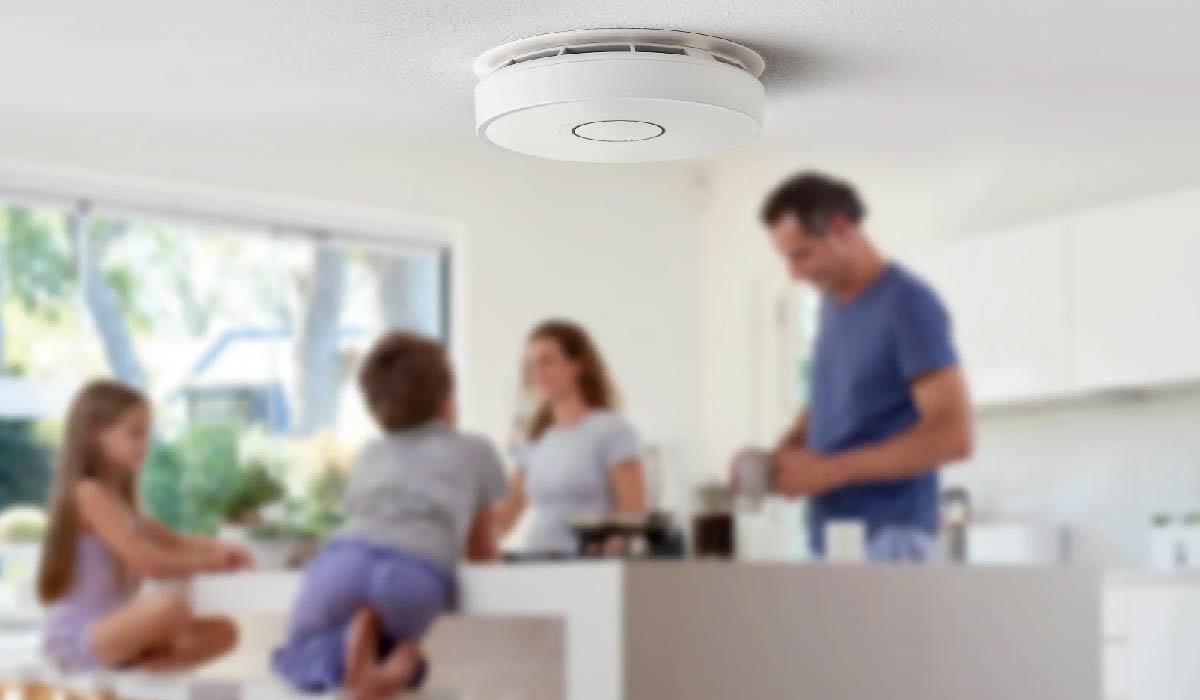
Fire safety usually feels like something that belongs in offices and hotels — somewhere with a laminated evacuation plan and a person in a high-vis vest.
But the reality is that most fire deaths happen at home, where there’s no plan on the wall and no one checking the smoke alarms. It’s worth knowing the basics, not because fires are inevitable, but because a few small habits genuinely make a difference, according to 3 Keys Management professionals.
Here’s a room-by-room look at where the risks actually are and what you can do about them.
The Kitchen
No surprises here — the kitchen is where most home fires start. Heat, cooking oil, and the fact that most of us wander off mid-cook is a fairly predictable combination.
The hob is the main one to watch. Leaving something on the heat while you nip to another room is how most kitchen fires begin. If you have to leave, turn it off. It’s that simple.
Deep fat fryers and chip pans need extra care. Oil fires get out of hand very fast, and the worst thing you can do is reach for a water fire extinguisher — throwing water on a fat fire causes an explosion of burning oil. A fire blanket or wet chemical extinguisher is what you actually need near a fryer. Worth having one if you use one regularly.
Small appliances — toasters, kettles, coffee machines — are worth unplugging when you’re not using them. Empty the toaster crumb tray occasionally too; built-up crumbs catch more easily than you’d think. And tea towels draped over the hob handle? Move them. It’s one of those things that feels harmless until it isn’t.
The Living Room
Living rooms quietly accumulate a lot of electrical kit — TVs, speakers, consoles, charging cables running everywhere. Most of it is fine, but a few things are worth keeping an eye on.
Overloaded sockets are more of an issue than people realise. Daisy-chaining extension leads — plugging one into another — is a genuine fire risk. If you’ve genuinely run out of sockets, get an electrician to add more rather than stacking adaptors.
If you have an open fire or log burner, use a fireguard and get the chimney swept at least once a year. Embers stay live longer than you’d expect — what looks like a dead fire often isn’t. Let ash cool fully before you bin it, and use a metal container rather than a plastic one.
Candles: don’t leave them burning when you leave the room. Keep them away from curtains and anything soft. Battery-powered candles are genuinely good now if you just want the look without the faff.
The Bedroom
Bedroom fires are disproportionately deadly because people are asleep. Two things matter more than anything else here: a working smoke alarm nearby, and keeping your bedroom door closed at night.
A closed door slows both fire and smoke significantly — it can buy you crucial extra minutes. It’s such a small habit and it really does save lives.
Charging your phone under your pillow or in bed is a bad idea — lithium-ion batteries need airflow, and a damaged cable can overheat. Charge on a hard surface, and if a cable’s fraying, just replace it rather than stretching it out a bit longer.
Smoking in bed is still one of the leading causes of fire deaths, particularly among older people. The combination of a heat source, soft furnishings, and the possibility of dozing off is as dangerous as it sounds.
The Garage and Utility Spaces
Garages and utility rooms tend to be where flammable stuff ends up — paint, solvents, petrol, oily rags — and where fires can burn for longer before anyone notices. Keep flammable liquids in proper containers and in small amounts, and don’t store aerosols anywhere that gets warm.
E-bikes and electric scooters are a growing risk. The batteries in these are large enough to cause a serious fire if they fail, and they can go very quickly. Don’t charge them overnight, don’t leave them on charge unattended, and don’t store or charge them in a hallway or anywhere that blocks your way out.
Choosing the Right Fire Extinguisher
Most households don’t have a fire extinguisher, which is understandable — but having the right one to hand in the early stages of a small fire can stop it becoming a big one. The key word is right. The wrong extinguisher can make things worse.
The main types of fire extinguisher for home use are: water (solid material fires only — not electrical, not fat), foam (broader but still not for electrical fires), CO2 (electrical fires and flammable liquids, leaves no mess), wet chemical (made for cooking oil fires), and dry powder (versatile but messy and not great in small rooms). For most homes, a CO2 near the consumer unit and a wet chemical or fire blanket in the kitchen is a sensible setup.
That said, a smoke alarm is still the most important piece of kit in your home. An extinguisher only helps if you’re there and the fire is still small. A smoke alarm works whether you’re there or not.
Smoke Alarms
A working smoke alarm roughly halves your risk of dying in a house fire. And yet plenty of homes have one with a flat battery, or one that’s been silenced because it kept going off when making toast.
One on every floor, in the hallway or landing, tested monthly. Change the battery once a year (unless it’s a sealed ten-year unit), and replace the whole thing after ten years regardless — the sensors degrade.
If it goes off while you’re cooking, open a window and fan the air. Don’t take the battery out. An alarm with no battery is worse than no alarm at all.
Have an Escape Plan
It sounds like overkill, but knowing how you’d get out before you need to is just sensible. Think through the routes from each room, which windows could be used if doors were blocked, and make sure everyone in the house knows what to do. If you have young kids, elderly relatives, or anyone with mobility issues, factor them into the plan specifically.
If there’s a fire: get out, stay out, and call 999 from outside. Close doors behind you as you leave — it slows the spread. Don’t go back for anything.
