


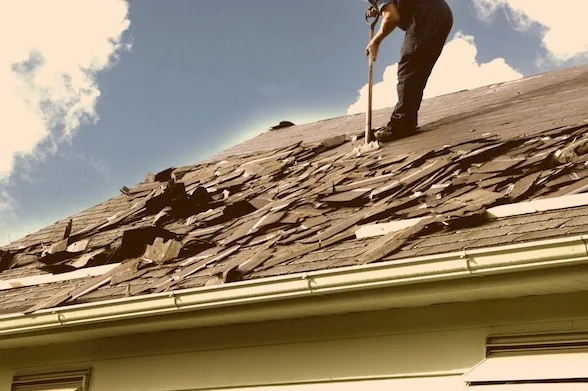
5 Ways the Sun Wrecks Your Roof Over Time
Every single day, your roof absorbs a punishment most homeowners never think about. Rain and wind get all the attention — fair enough — but UV radiation and raw heat do just as much harm. Quietly. Steadily. Catching solar damage early means planning replacements instead of scrambling through emergencies. Here are five specific ways the sun tears into residential roofing, and what to actually watch for.
1. UV Radiation Breaks Down Asphalt Shingles
Asphalt shingles dominate North American roofing for good reason — they’re cost-effective and durable. But there’s a catch. Each shingle carries a surface granule layer whose entire purpose is shielding the asphalt core from ultraviolet light. UV grinds those granules loose over time. They wash away in storms. Gone. Once that coating thins, bare asphalt bakes under direct sun — it cracks, it brittles, it fails years ahead of schedule. You’ll often spot the warning signs before the real damage registers: dark streaks along the roof face, or a gritty buildup of tiny granules collecting at the base of your gutters. That debris? It’s your protective layer walking out the door.
2. Thermal Stress Causes Expansion and Contraction
Heat expands roofing materials. Overnight cooling pulls them back. Run that cycle daily for a decade and things start coming apart — shingles warp, seams buckle, fasteners work themselves loose. Metal roofing takes this especially hard since it conducts heat fast, making temperature swings dramatic. Wood shake suffers differently; it swells, it shrinks, it splits. Flashing around chimneys, skylights, and vents is particularly exposed here, peeling away as the materials beneath it shift and settle. Season after season of this mechanical grinding compromises every connection holding the roof together.
3. Premature Fading and Aesthetic Deterioration
Structural damage hogs the spotlight. But UV exposure fades and discolors roofing materials in ways that go beyond curb appeal. Even solid products show real color shifts after ten to fifteen years of relentless sun. Darker shingles — charcoal, near-black — fade more dramatically than lighter ones because they pull in more solar energy. Here’s what most people miss, though: uneven fading isn’t purely cosmetic. Large patches of inconsistent color often signal that some areas have shed their granule coating faster than others — uneven UV degradation, spread unevenly across the surface. When that surface breakdown lines up with structural weakening underneath, Roofing replacement stops being a hypothetical — especially in high-sun regions where compounding UV damage slashes the typical replacement timeline.
4. Heat Buildup Increases Energy Costs and Material Vulnerability
Dark roofing soaks up solar energy. Attic temperatures spike. Your air conditioning grinds harder, and utility bills follow. That’s the energy side of the equation. But there’s a materials cost too. Excessive heat softens and degrades the adhesive bonds anchoring shingles in place. Throw poor attic ventilation into the mix and you’ve got trapped heat pressing directly against the roof structure, day after day. The felt underlayment degrades. Wood decking weakens faster. Rot and mold can move in behind it. Some homeowners shift to reflective or lighter-colored materials specifically to fight this — cutting both energy consumption and the pace of heat-driven breakdown simultaneously.
5. Loss of Waterproofing Effectiveness
Keeping water out — that’s the whole job. UV damage undermines exactly that function. As granules disappear and shingles grow brittle, micro-cracks open up. Tiny pathways. Water finds them. Sealant strips along shingle edges lose adhesion as UV degrades the chemical bonds holding them, letting wind-driven rain pry shingles up and reach the deck below. Metal roofing develops corrosion where protective coatings have thinned. Once moisture starts migrating between shingles and the underlying structure, rot works into wooden components, mold spreads, and eventually water reaches living spaces. Catching these signs through regular inspections is what separates a manageable fix from a full interior damage disaster.
Conclusion
UV rays and heat move slowly. That’s exactly what makes them dangerous. All five damage mechanisms described here run at the same time, compounding each other until deterioration accelerates past what most homeowners expect. Granule loss weakens waterproofing. Thermal stress cracks open seams. Heat buildup destroys adhesive bonds. It all feeds itself. Regular inspections — particularly after severe weather — catch sun-related damage while repair costs are still manageable. Most asphalt shingle roofs hold up fifteen to twenty years in moderate climates, but intense sun trims that lifespan noticeably. Stay ahead of it and your roof lasts. Miss the signs and you’ll pay far more to fix what routine maintenance could have stopped cold.
