


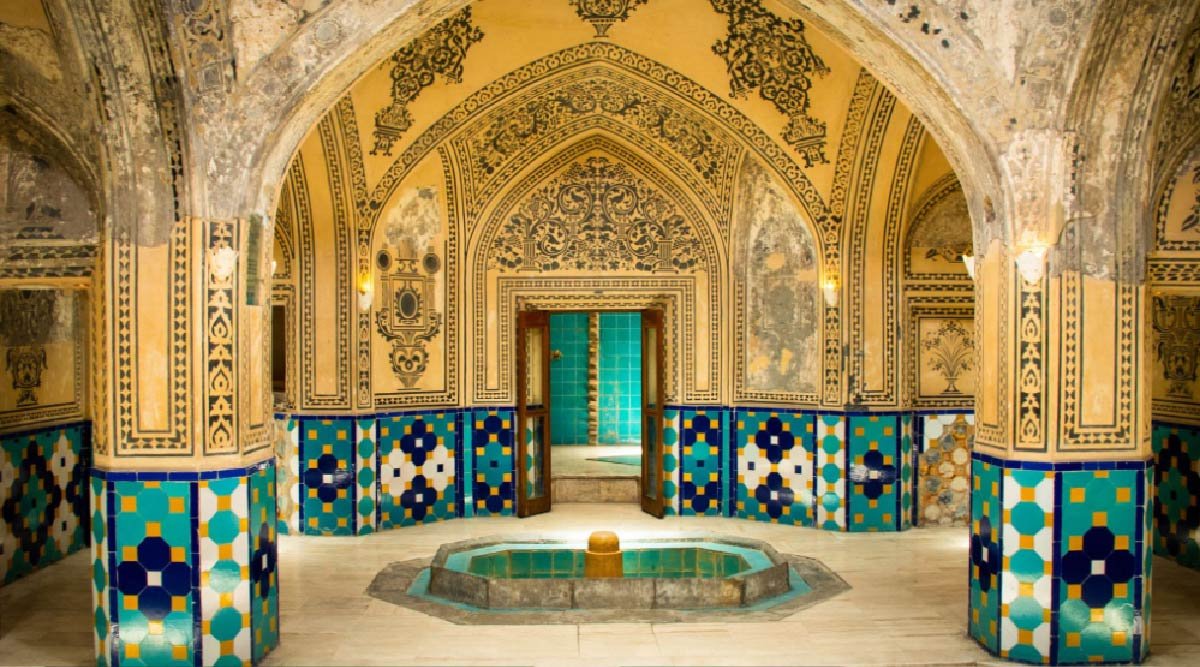
In today’s fast-paced world, wellness is no longer viewed as a luxury — it has become an essential part of maintaining both physical and mental balance. As more people seek natural ways to relax, detoxify, and recharge, traditional bathing rituals are making a strong comeback. Among the most celebrated experiences are Turkish and Moroccan hammams, centuries-old wellness practices that combine cleansing, relaxation, and cultural heritage in one immersive treatment.
Many modern spa trends borrow elements from these ancient traditions, yet authentic hammam experiences continue to stand apart because of their deeply restorative nature. Whether someone is looking to relieve stress, improve skin health, or simply disconnect from daily pressures, hammam rituals offer a unique escape that feels both timeless and therapeutic.
One of the leading places in the UK offering authentic Turkish and Moroccan spa experiences is The Old Hammam & Spa, known for blending traditional wellness rituals with a luxurious modern atmosphere. Their specialized Hammam treatments provide guests with a deeply relaxing experience inspired by centuries of cleansing and rejuvenation traditions.
The Origins of Hammam Culture
The hammam tradition dates back hundreds of years and has roots in Roman bathhouses, which later evolved through Ottoman and North African cultures. In Turkey, the hammam became an important social and cultural institution where people gathered not only for cleansing but also for relaxation and community interaction.
Moroccan hammams developed their own distinctive style, often focusing heavily on purification rituals using natural ingredients such as black soap, rhassoul clay, and argan oil. Both traditions share a common philosophy: cleansing the body while calming the mind.
Today, these rituals continue to attract wellness enthusiasts who want experiences that feel authentic and holistic rather than purely cosmetic.
What Happens During a Hammam Treatment?
For first-time visitors, a hammam treatment may feel different from a standard spa appointment. The process is intentionally immersive and designed to engage multiple senses.
Most traditional hammam experiences include:
Steam and Heat Therapy
Guests begin by relaxing in a heated steam room that helps open pores, soften the skin, and relax muscles. The warm environment encourages sweating, which supports the body’s natural detoxification process.
Deep Exfoliation
One of the signature elements of hammam therapy is exfoliation using a special mitt called a kese. This removes dead skin cells and leaves the skin noticeably smoother and brighter.
Cleansing Rituals
Natural soaps, oils, and mineral-rich products are often applied during the treatment. Moroccan hammams commonly use black olive soap and clay masks, while Turkish hammams may focus more on foam massages and water cleansing rituals.
Massage and Relaxation
Many modern hammam spas combine traditional cleansing with therapeutic massage techniques to enhance relaxation and improve circulation.
The overall result is a feeling of physical renewal and mental calm that lasts well beyond the treatment itself.
The Wellness Benefits of Turkish and Moroccan Hammams
One reason hammam experiences continue to grow in popularity is because they offer multiple wellness benefits in a single session.
Stress Reduction
Heat therapy and massage work together to lower tension levels and encourage relaxation. In a world dominated by screens and constant notifications, these quiet rituals provide an opportunity to truly unwind.
Skin Rejuvenation
Exfoliation removes impurities and dead skin buildup, helping improve skin texture and appearance. Many guests notice softer and more radiant skin immediately after treatment.
Improved Circulation
The combination of heat, steam, and massage can help stimulate blood flow, supporting muscle recovery and overall wellness.
Mental Wellness
Spa rituals are increasingly recognized for their mental health benefits. Slowing down, disconnecting from technology, and engaging in calming self-care routines can positively impact mood and emotional well-being.
In fact, wellness-focused lifestyle publications such as Witty Magazine frequently highlight the growing importance of mindful self-care and restorative experiences in modern life.
Turkish vs. Moroccan Hammam: What’s the Difference?
Although Turkish and Moroccan hammams share similarities, each offers a unique cultural experience.
Turkish Hammam
Turkish hammams are often known for their elegant marble interiors, warm steam rooms, and luxurious foam massages. The experience emphasizes relaxation through heat, cleansing, and water rituals.
Moroccan Hammam
Moroccan hammams tend to focus more heavily on natural ingredients and skin purification. Black soap, exfoliation, and clay treatments are central to the process, creating a deeply detoxifying experience.
Both styles provide incredible wellness benefits, and many luxury spas now combine elements from each tradition to create customized treatments.
Why Hammam Experiences Are Trending Again
Modern consumers are increasingly drawn to wellness practices that feel authentic and meaningful. Rather than quick beauty fixes, people are looking for rituals that encourage long-term well-being.
Several factors are driving the renewed popularity of hammam treatments:
- Increased interest in holistic wellness
- Rising awareness of self-care and mental health
- Demand for natural skincare approaches
- Desire for cultural and immersive experiences
- Need for stress relief in busy lifestyles
Social media has also played a role, with travelers and wellness influencers showcasing luxurious hammam interiors and spa rituals from around the world.
However, the appeal goes beyond aesthetics. Many guests describe hammam treatments as transformative because they encourage intentional relaxation in a way few modern experiences can replicate.
Choosing an Authentic Hammam Experience
As hammam-inspired treatments become more common, authenticity matters. A true hammam experience should focus on traditional techniques, quality natural products, and a calming environment that respects the ritual’s cultural roots.
When selecting a spa, it’s important to look for:
- Experienced therapists
- Traditional hammam facilities
- Authentic cleansing methods
- High-quality natural products
- Relaxing and hygienic surroundings
An authentic setting helps preserve the integrity of the ritual while providing guests with the full wellness benefits associated with these ancient traditions.
Final Thoughts
Turkish and Moroccan hammams are far more than spa trends — they are time-honored wellness rituals that continue to resonate in modern life. Combining cleansing, relaxation, and mindfulness, hammam experiences offer a powerful reminder that true self-care often lies in slowing down and reconnecting with the body.
As wellness culture evolves, ancient practices like hammam therapy are proving that some traditions never lose their value. Whether someone is seeking stress relief, healthier skin, or simply a peaceful escape from daily life, the hammam remains one of the most enriching wellness experiences available today.
