


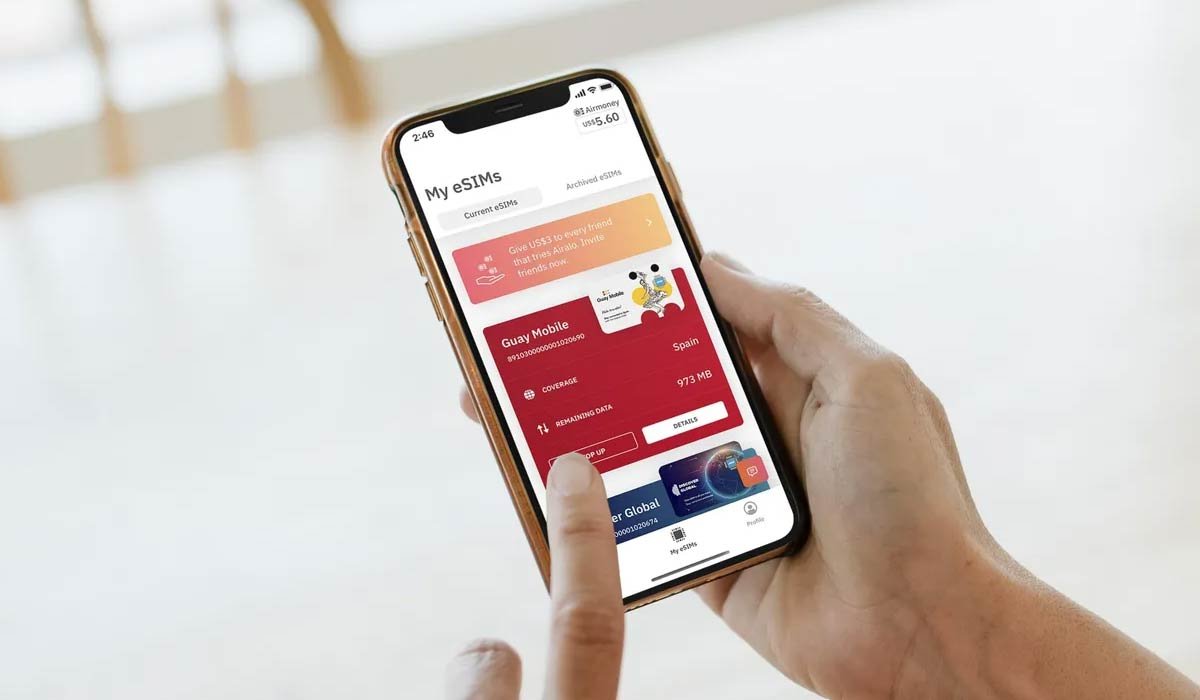
In today’s connected world, traditional SIM cards are slowly being replaced by the more versatile and convenient eSIM technology. If you are curious about how to make the switch and enjoy hassle-free connectivity while traveling or using multiple devices, read more about eSIM here. Unlike physical SIM cards, eSIMs are embedded directly into your device, allowing you to activate mobile plans digitally without needing to insert or swap any cards.
For travelers, remote professionals, and tech enthusiasts, this innovation offers flexibility, instant connectivity, and cost savings.
What is an eSIM?
An eSIM, short for embedded SIM, is a digital SIM built into modern devices such as smartphones, tablets, and smartwatches. Unlike a physical SIM, which must be manually swapped to change carriers or plans, an eSIM can store multiple carrier profiles on a single device.
Activation is simple: carriers provide a QR code or activation code, which you scan or enter into your device to immediately start using the plan. This eliminates the need for physical SIM cards, reduces clutter, and makes switching providers or plans extremely convenient.
Key Advantages of Using an eSIM
- Convenience: Activate your mobile plan instantly without visiting a store.
- Multiple Profiles: Manage personal, work, and travel numbers all on one device.
- Travel-Friendly: Avoid high roaming fees by using local plans in different countries.
- Instant Connectivity: Get connected immediately upon landing in a new location.
- Future-Proof Technology: Increasingly supported across carriers and devices worldwide.
For frequent travelers, eSIMs provide a hassle-free solution, especially when visiting multiple countries on one trip.
How to Activate an eSIM
Activating an eSIM is straightforward:
- Check Device Compatibility: Ensure your smartphone, tablet, or smartwatch supports eSIM.
- Select a Carrier or Plan: Choose a provider that offers eSIM services in your region or for international travel.
- Scan the QR Code or Enter Activation Code: Carriers send this code digitally. Scan it to activate the eSIM instantly.
- Configure Your Settings: Label your profile, set default data usage, and organize multiple lines if needed.
After activation, your device functions just like it would with a traditional SIM card, but with added flexibility and efficiency.
eSIM vs Traditional SIM Cards
- Physical SIM: Limited to one carrier, requires manual swaps, can be lost or damaged.
- eSIM: Digital activation, multiple profiles, embedded in the device, and easily switchable between carriers.
The eSIM is ideal for anyone who wants to avoid the limitations of traditional SIM cards, particularly travelers, digital nomads, and tech enthusiasts.
Who Benefits Most from eSIMs?
- Frequent Travelers: Access local data plans without physically buying SIMs in each country.
- Remote Professionals: Maintain separate work and personal numbers on one device.
- Tech-Savvy Users: Enjoy modern, flexible, and future-ready mobile technology.
Tips for Using an eSIM Effectively
- Ensure your device is unlocked for maximum flexibility.
- Keep backup activation information for emergencies.
- Check data coverage and network compatibility when traveling internationally.
- Compare eSIM plans for price, speed, and reliability.
- Monitor data usage to avoid unexpected charges.
Conclusion
eSIM technology is transforming how we stay connected, offering convenience, flexibility, and cost savings. Whether you’re a frequent traveler, a professional who needs multiple lines, or a tech enthusiast looking to embrace the latest innovations, eSIM provides a reliable and efficient solution. By understanding how it works, choosing the right provider, and activating it correctly, you can enjoy seamless connectivity across devices and countries.
