


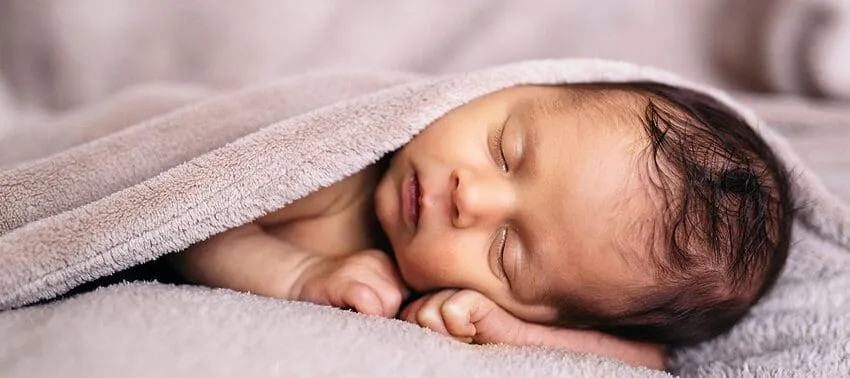
When a child is born in a Muslim family, profound gratitude fills the household. Parents immediately start considering how to welcome the soul into the world, the Islamic way. Aqiqah helps you show gratitude to Allah and strengthen bonds within the community.
Families distribute the sacrificed meat to neighbours, relatives, and people in need. Many trusted Islamic charities also accept online Aqiqah donations to multiply the benefits for vulnerable communities across borders.
What Is Aqiqah in Islam? (Definition and Meaning)
The Arabic word “Aqiqah” comes from “aqqa.” This means to cut or to sever. Linguistically, it meant shaving a newborn’s hair. Over time, the term became specific. It now means an animal sacrifice for a newborn. Some scholars trace the word to cutting to freedom. The sacrifice liberates the child and establishes their independent Muslim existence.
The Prophet Muhammad ﷺ said:
“Every boy is in pledge for his Aqiqah; sacrifice is made for him on the seventh day, his head is shaved, and he is given a name.” (Sunan Abi Dawud 2838)
Another narration comes from Salman ibn Amir. He heard Allah’s Messenger ﷺ saying, “Aqiqah is to be offered for a (newborn) boy, so slaughter (an animal) for him, and remove harm from him.” (Sahih al-Bukhari 5472)
This shows Aqiqah’s protective dimension. It removes potential harm from the child and invokes Allah’s blessings from their earliest days. The Prophet ﷺ himself performed Aqiqah for his grandsons Hasan and Husain.
Importance of Aqiqah in Islam
The timing of Aqiqah holds symbolic weight. Aqiqah is advised to be performed on the seventh day after a child’s birth. Seven carries significance in Islamic teachings. For instance, there are seven heavens and seven earths. Surah al-Fatiha contains seven verses. Muslims circle the Kaaba seven times. The seventh day completes the child’s first week, and the sacrifice serves as their first Sadaqah.
Parents distribute meat on their child’s behalf to feed the hungry for their sake. People then pray for the well-being of the child, marking a beautiful beginning to their life.
Is Aqiqah Obligatory or Sunnah?
Most Islamic scholars consider Aqiqah as Sunnah Mu’akkadah. This means it is strongly recommended, but it is not fard. Someone who does not perform Aqiqah commits no sin. However, the Prophet ﷺ strongly emphasised it. He performed it for his grandsons. If it was important enough for him, it is important for us. Neglecting it means missing tremendous blessings and rewards.
Aqiqah Rules According to Islamic Law (Shariah)
Islam considers the father the primary provider for the family. However, this ruling does not exclude mothers from participation.
If the father passes away or faces financial hardship, responsibility may shift. Other capable family members can perform it if they have sufficient means.
What Happens if Parents Convert to Islam Later and Miss Aqiqah?
Scholars differ on whether adults may perform Aqiqah for themselves. The majority opinion limits Aqiqah to newborns and young children. However, adults may still express gratitude through voluntary Sadaqah. Any sincere intention of gratitude towards Allah carries a reward.
What Is a Valid Aqiqah Sacrifice in Islamic Law?
The animal must be healthy and free from serious defects. It must also meet the proper age requirement, and the sacrifice must follow Islamic slaughter guidelines. The person performing it must make a clear intention for Aqiqah for the named child.
Here’s the minimum recommended age for different animals:
- Sheep (Lamb): 6 months
- Goat: 1 year
- Cow (Cattle): 2 years
- Camel: 5 years
What is the Best Time to Perform Aqiqah?
The Sunnah recommends performing Aqiqah on the seventh day after birth. The day of birth is considered the first day. If the seventh day passes, the fourteenth day becomes recommended. After that, scholars recommend the twenty-first day. If all these days pass, you may still perform Aqiqah. Most scholars allow Aqiqah anytime during childhood before puberty.
How Many Animals are Required for Aqiqah?
For a baby boy, the Sunnah requires sacrificing two sheep or goats of comparable quality. For a baby girl, one sheep or goat is enough. The Prophet Muhammad ﷺ said:
“For a boy, two sheep of equal age and quality, and for a girl, one sheep. It does not matter whether they (the sheep) are male or female.” (Tirmidhi 1516)
Parents with twins must perform a separate Aqiqah for each child. Two boys require four animals in total. Two girls require two animals in total. A pair of a boy and a girl requires three animals.
Distribution of Aqiqah Meat in Islam
You can keep and eat one-third of the meat. Give one-third as gifts to relatives and friends, and give the final third as charity to the poor and needy.
Scholars do not strictly enforce specific portions for Aqiqah. Some scholars allow families to keep all the meat. Other scholars emphasise giving a significant portion of qurbani donation to the poor. The most balanced approach is to combine family use with generous charity.
Islam does not require cooking the meat before distribution. Both raw and cooked distribution methods are valid in Islam.
Remember that you should not sell or trade the meat. You can only use it for consumption and charity.
Can You Donate Aqiqah Online?
The question of online Aqiqah donation matters a lot to Muslim families scattered across the globe. The Islamic principle of online Aqiqah requires you to appoint someone else to act on your behalf.
Muslims may delegate the Hajj for deceased relatives under certain conditions. Likewise, parents may delegate Aqiqah slaughter and distribution.
The general consensus among scholars allows you to donate Aqiqah online through trustworthy organisations under specific conditions. For instance, you must maintain the intention for Aqiqah and the animal must meet all Shariah requirements. The slaughter should be done correctly in Allah’s name, and it must specify Aqiqah for the particular child.
With online Aqiqah, the meat can reach hundreds of needy families. However, it’s important to do it through trusted Muslim charity organisations that provide clear cost breakdowns with the photo or video evidence of distribution. This transparency reassures you that your funds were put to good use.
You can also pay Zakat online to help those in need.
Difference Between Aqiqah Donation and Kaffarah
The question “What is Kaffarah and how does it differ from Aqiqah?” mostly affects people using charity websites with different donation types.
Aqiqah and Kaffarah differ in purpose, obligation, and spiritual meaning. Kaffarah serves as atonement or expiation for specific violations of Islamic rules. For instance, breaking a Ramadan fast or an oath intentionally requires Kaffarah.
Aqiqah does not relate to atonement. It celebrates a blessing by expressing gratitude for a child’s birth. Aqiqah is about thanksgiving and welcome. There’s no guilt involved in it.
Conclusion
Aqiqah captures different parts of the faith in one act. It expresses gratitude to Allah for a child’s birth. It follows the example of Prophet Muhammad ﷺ, who performed it for his own grandsons. The practice also helps feed the needy and strengthens important social bonds between people.
Perform Aqiqah with sincerity and joy because your intention is the key to acceptance. May Allah accept your Aqiqah and bless your children.
