


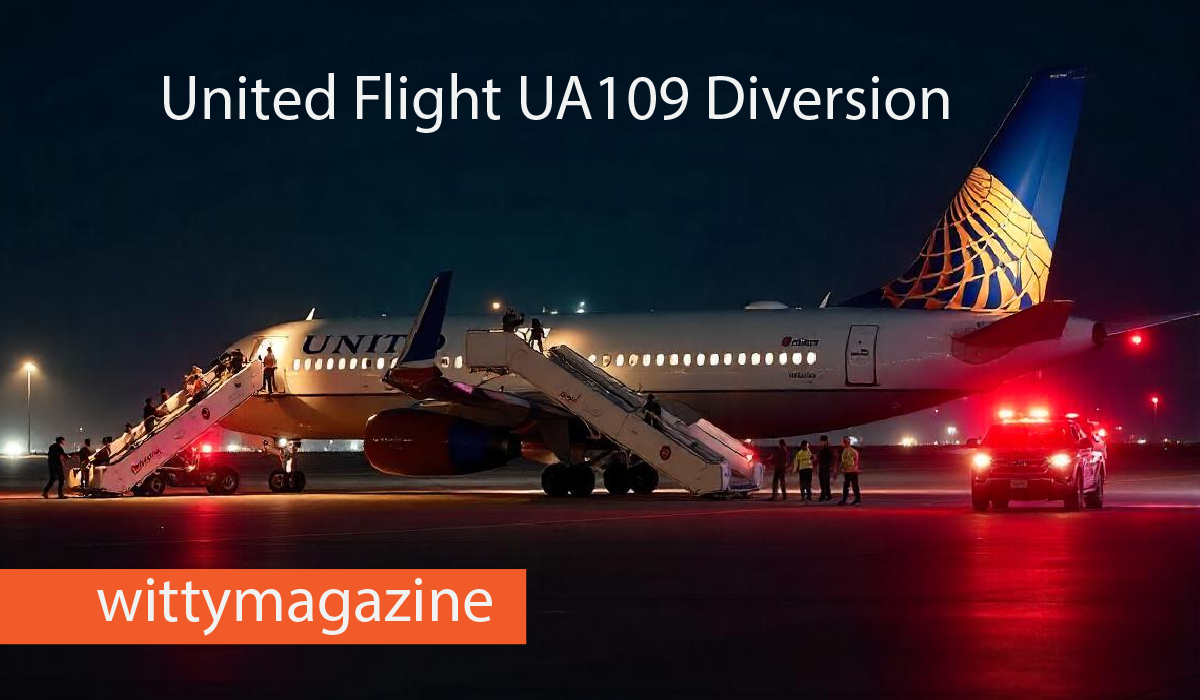
The unexpected diversion of United Flight UA109 on October 30, 2025, has captured the attention of the aviation community, passengers, and global media alike. Originally scheduled to fly nonstop from Munich Airport (MUC) in Germany to Washington Dulles International Airport (IAD) in the United States, the aircraft diverted to Dublin, Ireland, mid-flight. The reason behind this diversion was not a mechanical failure or a weather-related event, but rather a medical emergency involving a crew member. This development prompted questions about airline safety, crew protocols, and how such in-flight emergencies are handled. As interest in this case grows, travelers want to understand what led to the decision, how the airline responded, and what it means for future transatlantic operations.
This article offers a full breakdown of the United Flight UA109 diversion, analyzing the timeline, safety mechanisms, route details, crew responsibilities, and lessons learned.
What Is United Flight UA109?
United Flight UA109 is a long-haul international service operated by United Airlines, connecting Munich (MUC) with Washington Dulles (IAD). It typically uses a Boeing 787-8 Dreamliner for this route, a modern aircraft designed for fuel efficiency, comfort, and extended overwater operations. The flight caters to a mix of business travelers, tourists, and government employees traveling between Europe and the U.S. East Coast.

The duration of the journey is approximately 8 to 9 hours depending on winds and routing. This route is vital for transatlantic travel, linking major political and economic centers while providing reliable service with a focus on safety, efficiency, and customer experience.
The October 30, 2025 Diversion — Full Incident Breakdown
On October 30, 2025, United Flight UA109 departed from Munich at approximately 12:14 CET. Roughly three hours into the flight, while cruising over the North Atlantic at 40,000 feet, the crew encountered a medical emergency involving a flight attendant. The crew member experienced severe discomfort from a blister-related condition that impaired their ability to continue safety-related duties.
Recognizing the potential risk of operating without a full complement of qualified cabin crew, the captain initiated a diversion. The aircraft turned eastward and landed at Dublin Airport around 3:00 PM local time. The crew member was promptly attended to by medical personnel, and passengers remained onboard during the short stopover. This decision, while inconvenient, ensured the safety of all passengers and maintained compliance with international aviation regulations.
Why United Airlines Chose to Divert the Flight
United Airlines’ decision to divert was based on strict aviation safety protocols. International regulations mandate that a minimum number of healthy and active crew members must be present to ensure proper emergency evacuation, passenger assistance, and safety compliance. When one crew member becomes incapacitated, especially on long-haul flights over remote areas like the Atlantic Ocean, the airline may no longer meet these legal requirements.
Additionally, the captain must assess whether the flight can safely proceed without risking health, safety, or regulatory violations. Given that transatlantic flights involve several hours of flying time over oceanic regions with limited diversion options, it was considered safer to reroute to the nearest fully equipped airport—in this case, Dublin.
Why Dublin Was the Chosen Diversion Airport
Dublin Airport is a frequent diversion choice for transatlantic flights due to its optimal location, excellent infrastructure, and proven emergency response capabilities. Strategically situated along major transatlantic routes, Dublin is a designated ETOPS (Extended-range Twin-engine Operations Performance Standards) alternate airport.
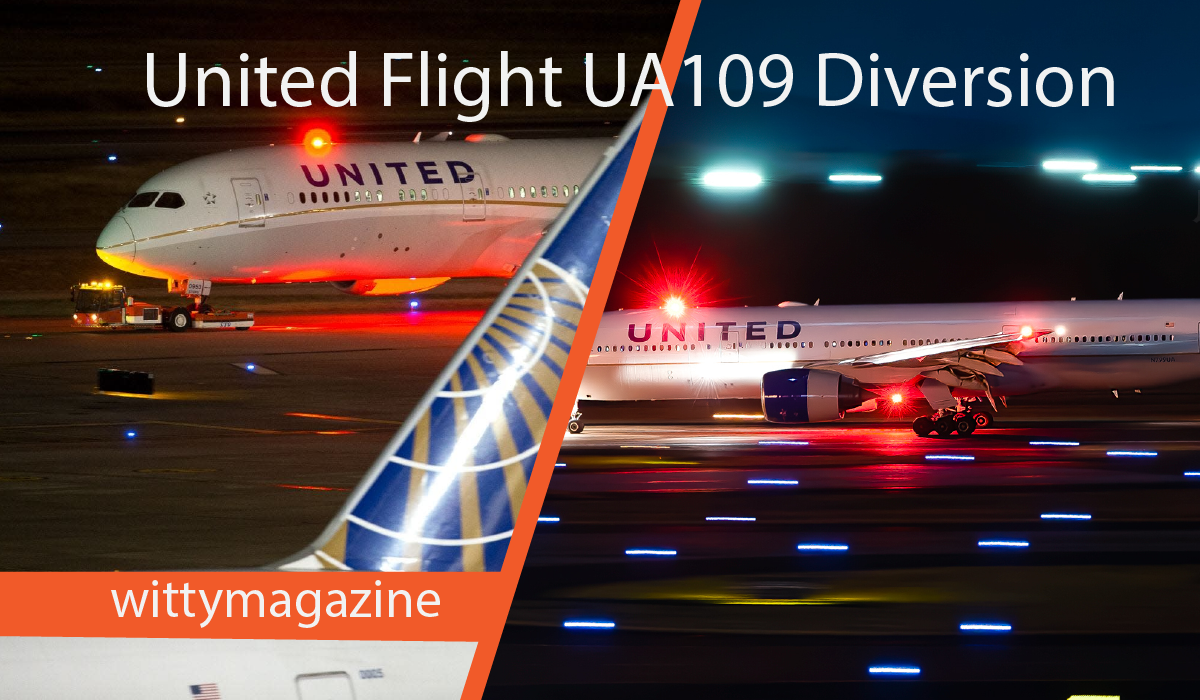
It is equipped to handle wide-body aircraft like the Boeing 787 and has immediate access to world-class medical facilities, efficient customs processing, and experienced ground crews. Dublin’s reputation as a reliable and well-prepared airport for emergency landings made it the ideal choice when UA109 required a quick and safe diversion.
Timeline of Events — Minute-by-Minute Tracking
The timeline of the United Flight UA109 diversion is well documented. The flight took off from Munich at approximately 12:14 CET. About three hours into the flight, cruising over the Atlantic roughly 600 nautical miles west of Ireland, the medical emergency was declared. The aircraft executed a U-turn and headed back toward Europe.
At around 3:00 PM GMT, the Dreamliner landed safely at Dublin Airport. The affected crew member was medically evaluated, and the airline coordinated logistics for the next leg of the journey. After a short delay for operational adjustments, the flight departed again at approximately 4:20 PM and reached Washington Dulles with a delay of just over two hours. The aircraft in question was registered as N28912.
What Happened to the Crew Member?
According to publicly available reports, the crew member experienced a severe foot blister that escalated into significant pain and mobility issues mid-flight. Though the issue was not life-threatening, the individual was unable to perform essential safety duties. Upon arrival in Dublin, the crew member was treated by medical staff and did not require hospitalization.
However, due to aviation laws regarding minimum crew staffing, it was not feasible for the flight to continue across the Atlantic without a replacement or a reevaluation of onboard resources. United Airlines has not released further personal health details in adherence to medical privacy standards.
More From Info: Fedsolife Review: The Honest Truth About This Trending Brand
Was the Aircraft Itself Damaged or Unsafe?
There was no indication that United Flight UA109 suffered from any mechanical, structural, or equipment issues. The aircraft was functioning properly, and the decision to divert was purely based on human health and legal crew requirements. Passengers were not in immediate danger, and the landing in Dublin was precautionary.
This is an important distinction because many assume diversions are always linked to aircraft failure, when in reality, the vast majority are triggered by passenger or crew medical issues. In this case, the Dreamliner continued to operate normally after a short stop and minimal delay.
How Diversion Decisions Are Made in Long-Haul Aviation
In long-haul aviation, diversions are highly structured and follow established procedures. The flight crew holds ultimate authority in assessing emergencies, supported by real-time consultations with the airline’s operations control center.
When a medical issue arises, particularly with a crew member, the decision involves evaluating whether safety roles can still be fulfilled, the current aircraft location, fuel levels, weather conditions at nearby airports, and available medical support. ETOPS guidelines further define what diversion airports are valid based on the route and type of aircraft. In the case of UA109, all these factors aligned to make Dublin the safest and most practical choice.
Impact on Passengers — What They Experienced
Passengers on United Flight UA109 were informed of the situation through timely announcements from the cockpit. While any diversion can cause concern, the transparency of the flight crew and the calm handling of the situation ensured minimal stress. After the safe landing in Dublin, passengers waited onboard while the medical issue was resolved and the necessary crew and documentation adjustments were made.
United Airlines provided support where needed, including rebooking options or assistance for travelers with tight connections. Overall, passengers faced only a minor delay and continued on the same aircraft to their final destination.
Post-Diversion Status — Is UA109 Back to Normal?
As of early 2026, United Flight UA109 has resumed its standard Munich to Washington route without any ongoing disruptions. The airline quickly returned to normal scheduling after the October 30 diversion, and no changes were made to the route, aircraft, or frequency.

This event was treated as an isolated medical occurrence and did not result in any long-term operational impact. The aircraft involved continues to be in regular service, demonstrating the robustness of airline recovery systems after unexpected events.
How Common Are Flight Diversions Like This?
Flight diversions occur globally on a daily basis. While they often go unnoticed by the general public, aviation insiders understand that they are a regular part of managing air travel safely. Medical emergencies, passenger disturbances, mechanical anomalies, and weather issues are the most common causes. Among these, medical diversions are especially frequent and typically precautionary.
In the months surrounding the UA109 event, United Airlines also handled other diversions, such as a Denver-to-Los Angeles flight diverted to Salt Lake City for windshield damage, and another domestic flight diverted due to passenger misconduct. These reinforce the point that diversions, while inconvenient, are a routine and responsible response.
Understanding ETOPS and Diversion Planning
ETOPS, or Extended-range Twin-engine Operations, governs how twin-engine aircraft like the Boeing 787 can safely fly routes that include long stretches over ocean or remote areas. Under ETOPS certification, airlines must identify alternate airports that an aircraft can safely reach within a defined time if an emergency occurs.
This ensures that no matter where a plane is, a safe landing option is always available. Dublin is a certified ETOPS alternate and has the infrastructure to receive wide-body aircraft, making it a top-tier choice for transatlantic diversions.
Clarifying Confusion — Was Boston the Destination?
Some early online reports mistakenly listed Boston as the intended destination of UA109. This confusion may stem from seasonal changes in flight numbers or misinterpretation of flight tracking data. It’s important to clarify that United Flight UA109’s official route on October 30, 2025, was Munich to Washington Dulles.
All verified sources, including United Airlines and flight tracker logs, confirm that Washington D.C. was the final destination. This serves as a reminder to verify flight data through official or trustworthy aviation sources.
Aircraft Details — Boeing 787-8 Dreamliner Overview
The aircraft operating UA109 was a Boeing 787-8 Dreamliner, registration N28912. Known for its fuel efficiency, extended range, and passenger comfort, the Dreamliner is ideally suited for long-haul flights. Features include quieter cabins, improved air pressure, larger windows, and advanced avionics.
These aircraft are also equipped with state-of-the-art health and safety features, making them highly reliable for international operations. The 787’s capabilities played a role in ensuring a smooth diversion and safe continuation of the journey.
Media Coverage and Public Reactions
Media coverage of the UA109 diversion was immediate but largely factual. Aviation blogs, flight tracker communities, and mainstream news outlets reported the event without exaggeration. Social media users monitored the unusual flight path and provided real-time updates as the aircraft turned back toward Dublin.
United Airlines released a brief but informative statement, and aviation journalists praised the crew for prioritizing safety. Unlike some flight diversions that spark controversy, this incident was widely seen as a textbook example of best practices in aviation.
United Airlines’ Crisis Handling and Communication
United Airlines demonstrated effective crisis handling in this situation. The crew acted swiftly, communication with operations was smooth, and passengers were kept informed throughout the process. Medical support was arranged in advance of landing, and rebooking or delay management services were activated where needed.
The airline’s official channels issued statements that confirmed the nature of the event and reassured the public. This kind of transparency contributes to trust in the brand and confidence in its commitment to passenger well-being.
What This Incident Says About Aviation Safety Protocols
The UA109 incident showcases how aviation safety is not just about machines but also about people. A single crew member’s medical condition triggered an international diversion—not because the flight was in danger, but because rules and safety margins are designed to protect everyone onboard.
This event highlights the importance of strict crew fitness standards, real-time decision-making, and the role of international coordination in managing emergencies. It’s an encouraging example of a system that works.
Conclusion
Travelers can take comfort in the knowledge that modern aviation leaves little to chance. Diversions like that of United Flight UA109 may be inconvenient, but they are executed with a clear focus on safety and protocol. From swift crew decision-making to international medical coordination, this case illustrates the layers of preparedness built into every long-haul flight.
For passengers, it’s a reminder that even unexpected detours can be managed smoothly when safety comes first. The successful resolution of the UA109 diversion is a testament to why flying remains one of the safest modes of transportation in the world.
FAQs
1. Why did United Flight UA109 divert to Dublin on October 30, 2025?
United Flight UA109 diverted to Dublin due to a medical emergency involving a cabin crew member who experienced painful blistering. Aviation regulations require a minimum number of medically fit crew onboard, prompting the precautionary diversion.
2. Was the United Flight UA109 aircraft damaged or unsafe?
No, the aircraft was operating normally. The diversion was not due to any technical malfunction but was initiated for safety reasons after a crew member became medically unfit mid-flight.
3. What was the original route of United Flight UA109 before diversion?
United Flight UA109 was scheduled to fly from Munich Airport (MUC) to Washington Dulles International Airport (IAD) aboard a Boeing 787-8 Dreamliner.
4. Why is Dublin a common airport for transatlantic diversions?
Dublin is a strategically located ETOPS-certified airport equipped to handle wide-body aircraft, provide emergency medical care, and manage transatlantic flight diversions with minimal disruption.
5. Did the passengers on United Flight UA109 continue their journey the same day?
Yes, after landing in Dublin and receiving medical care for the crew member, United Airlines resumed the flight to Washington later that afternoon with minimal delay and no cancellations.
6. Is United Flight UA109 still operating on its regular route after the diversion?
Yes, as of January 2026, United Flight UA109 continues to operate normally on its Munich to Washington D.C. route without any schedule changes linked to the October 2025 diversion.
