


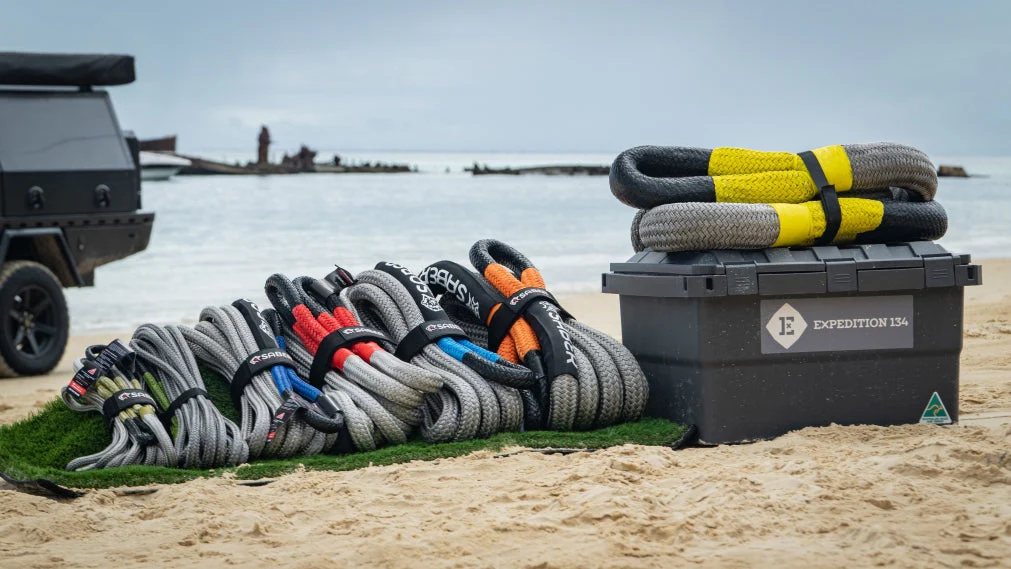
Recovery operations in off-road, commercial, and industrial environments demand equipment that performs consistently under extreme stress. When vehicles become stuck in challenging terrain or emergency situations arise, the reliability of recovery equipment can determine whether an operation succeeds or fails. Traditional steel cables and chains, while strong, present significant safety risks and operational limitations that have driven many professionals toward kinetic recovery systems.
Kinetic recovery ropes represent a fundamental shift in how recovery operations are conducted. Unlike static recovery methods that apply sudden, jarring forces, these specialized synthetic ropes store and release energy gradually, reducing stress on both vehicles and equipment while improving safety outcomes. However, the effectiveness of any kinetic recovery system depends entirely on the quality of manufacturing and the expertise behind the product.
The decision to invest in kinetic recovery equipment involves substantial operational and safety considerations. Poor manufacturing quality can result in catastrophic equipment failure, vehicle damage, and serious injury. Understanding how to evaluate manufacturers and their capabilities becomes critical for organizations that depend on reliable recovery operations.
Manufacturing Expertise and Specialization
The production of kinetic recovery ropes requires specialized knowledge that extends far beyond standard rope manufacturing. A qualified kinetic recovery rope manufacturer must understand the unique physics of energy absorption and release, the behavior of synthetic fibers under dynamic loads, and the specific requirements of recovery applications across different industries.
Manufacturing expertise manifests in several critical areas. The selection and treatment of raw materials requires deep understanding of how different synthetic fiber compositions respond to stretch cycles, environmental exposure, and varying load conditions. Manufacturers must also master the complex braiding and construction techniques that allow ropes to store and release kinetic energy safely while maintaining structural integrity over thousands of use cycles.
Fiber Technology Mastery
Advanced kinetic recovery ropes rely on sophisticated synthetic fiber technologies that require specialized processing capabilities. Manufacturers must understand how to optimize fiber orientation, density, and treatment to achieve the precise balance between elasticity and strength that kinetic recovery applications demand. This expertise cannot be easily acquired or replicated without significant investment in research, development, and production capabilities.
Construction Method Sophistication
The braiding and construction methods used in kinetic recovery ropes directly impact their performance characteristics and longevity. Experienced manufacturers employ proprietary techniques that ensure consistent energy absorption throughout the rope’s length while preventing weak points that could lead to premature failure. These methods often represent years of refinement and testing under real-world conditions.
Quality Control and Testing Standards
Rigorous quality control separates professional-grade kinetic recovery equipment from consumer products. Manufacturing facilities must implement comprehensive testing protocols that verify each product meets specified performance standards before leaving the facility. This testing extends beyond simple strength measurements to include fatigue testing, environmental resistance evaluation, and performance verification under dynamic loading conditions.
Professional manufacturers maintain detailed quality documentation that tracks every aspect of production from raw material inspection through final product testing. This documentation provides traceability that becomes essential when equipment is used in commercial or industrial applications where liability and insurance considerations require verified performance specifications.
Dynamic Load Testing Capabilities
Unlike static rope testing, kinetic recovery ropes must be evaluated under conditions that simulate actual recovery operations. This requires specialized testing equipment capable of applying rapid, high-force loads while measuring energy absorption and release characteristics. Manufacturers without these capabilities cannot verify that their products will perform as expected in real recovery situations.
Environmental Resistance Verification
Kinetic recovery ropes operate in harsh environments where exposure to UV radiation, chemicals, abrasion, and extreme temperatures can degrade performance over time. Comprehensive testing protocols must evaluate how these environmental factors affect rope performance and longevity, ensuring that products maintain their specifications throughout their intended service life.
Production Capacity and Scalability
Manufacturing capacity determines whether a supplier can meet both immediate needs and future requirements as operations expand. Established manufacturers maintain production capabilities that allow them to fulfill large orders while maintaining quality standards and reasonable delivery timelines. This capacity includes not only physical manufacturing equipment but also the skilled workforce necessary to operate complex production processes.
Scalability becomes particularly important for organizations that may need to standardize recovery equipment across multiple locations or expand their operations over time. Manufacturers with limited capacity may struggle to maintain consistent supply, leading to operational disruptions or the need to source from multiple suppliers with potentially different quality standards.
Equipment Investment and Capability
Advanced kinetic recovery rope manufacturing requires significant investment in specialized equipment that cannot be easily replicated. This includes precision braiding machines, testing apparatus, and quality control systems that represent substantial capital commitments. Manufacturers with this infrastructure demonstrate long-term commitment to the market and capability to maintain consistent production standards.
Workforce Expertise and Training
The production of high-quality kinetic recovery ropes requires skilled operators who understand the nuances of synthetic fiber handling and rope construction. Experienced manufacturers invest heavily in workforce training and retention, ensuring that production quality remains consistent even as demand fluctuates or production volumes change.
Material Sourcing and Supply Chain Management
The quality of raw materials directly impacts the performance and reliability of finished kinetic recovery ropes. Professional manufacturers maintain relationships with premium fiber suppliers and implement strict material specifications that ensure consistency across production runs. According to the Occupational Safety and Health Administration, proper material selection and testing are fundamental requirements for any rigging or recovery equipment used in commercial applications.
Supply chain management becomes critical when equipment reliability cannot be compromised. Manufacturers must maintain adequate raw material inventory to prevent production delays while ensuring that materials do not degrade during storage. This requires sophisticated inventory management systems and climate-controlled storage facilities that protect sensitive synthetic fibers from environmental damage.
Supplier Qualification and Auditing
Professional manufacturers implement comprehensive supplier qualification programs that verify raw material suppliers meet strict quality and consistency standards. This includes regular auditing of supplier facilities, testing of incoming materials, and maintenance of approved supplier lists that have demonstrated consistent performance over time. These processes ensure that quality issues are identified before they impact finished products.
Inventory Management and Material Handling
Synthetic fibers used in kinetic recovery ropes can be sensitive to environmental conditions during storage and handling. Professional manufacturers implement sophisticated inventory management systems that track material age, storage conditions, and usage to ensure that only materials meeting specifications are used in production. Proper material handling procedures prevent contamination or damage that could compromise finished product quality.
Technical Support and Application Engineering
The selection and implementation of kinetic recovery systems requires specialized technical knowledge that extends beyond basic product specifications. Experienced manufacturers provide comprehensive technical support that helps customers select appropriate equipment for specific applications and operating conditions. This support includes load calculations, safety factor determination, and integration recommendations that ensure optimal performance and safety.
Application engineering support becomes particularly valuable when kinetic recovery systems must be integrated into existing equipment or operations. Manufacturers with strong technical capabilities can provide guidance on mounting systems, operating procedures, and maintenance protocols that maximize equipment life and performance while ensuring operator safety.
Load Analysis and Safety Factor Calculation
Proper selection of kinetic recovery equipment requires detailed analysis of the loads and forces that will be encountered during operation. Experienced manufacturers provide engineering support that helps customers calculate appropriate safety factors, determine optimal rope specifications, and identify potential application issues before equipment is deployed in the field.
Integration and Implementation Guidance
The successful implementation of kinetic recovery systems often requires integration with existing equipment and modification of operating procedures. Technical support teams help customers develop implementation plans that address mounting requirements, operator training needs, and maintenance protocols necessary for safe and effective operation.
Customization Capabilities and Engineering Services
Standard kinetic recovery ropes may not address the unique requirements of specialized applications or equipment configurations. Manufacturing capabilities that include custom design and engineering services allow customers to obtain equipment optimized for their specific operational needs. This customization can address unique load requirements, environmental conditions, or integration constraints that cannot be met with standard products.
Custom engineering services require sophisticated design capabilities and manufacturing flexibility that many suppliers cannot provide. Manufacturers with these capabilities typically maintain engineering staff familiar with recovery system design and access to specialized production equipment that can accommodate non-standard configurations without compromising quality or performance.
Design Engineering and Analysis Capabilities
Custom kinetic recovery applications require engineering analysis that considers load patterns, environmental conditions, and integration requirements specific to each application. Manufacturers with strong design capabilities can optimize rope construction, end terminations, and performance characteristics to meet unique customer requirements while maintaining safety and reliability standards.
Prototype Development and Testing
Custom applications often require prototype development and field testing before full production implementation. Manufacturers with comprehensive capabilities can rapidly produce prototypes for customer evaluation and conduct testing that verifies performance under actual operating conditions. This capability reduces implementation risk and ensures that custom solutions meet all operational requirements.
Certification and Compliance Management
Professional applications of kinetic recovery equipment often require compliance with industry standards, regulatory requirements, or customer specifications that mandate specific certifications or testing protocols. Manufacturers must understand these requirements and maintain the documentation and testing capabilities necessary to verify compliance. This includes maintaining relationships with accredited testing laboratories and understanding the certification requirements for different industries and applications.
Compliance management extends beyond initial product certification to include ongoing quality system maintenance and periodic re-certification as standards evolve. Professional manufacturers implement quality management systems that ensure consistent compliance throughout the product lifecycle and provide the documentation necessary for customer auditing and verification purposes.
Industry Standard Compliance
Different industries and applications may require compliance with specific standards governing rope construction, testing, and performance. Manufacturers must understand these requirements and maintain the testing and documentation capabilities necessary to verify compliance. This includes staying current with evolving standards and implementing necessary changes to maintain certification status.
Quality System Documentation
Professional applications often require detailed documentation of manufacturing processes, quality control procedures, and testing results. Manufacturers must maintain comprehensive quality systems that provide traceability and documentation throughout the production process. This documentation becomes essential for liability protection and insurance requirements in commercial applications.
After-Sales Support and Service Infrastructure
The relationship between manufacturer and customer extends far beyond the initial equipment purchase. Professional manufacturers provide comprehensive after-sales support that includes technical assistance, training services, and replacement part availability. This support infrastructure ensures that customers can maintain optimal equipment performance and address any issues that arise during the equipment lifecycle.
Service infrastructure becomes particularly important for organizations that depend on kinetic recovery equipment for critical operations. Manufacturers must maintain adequate inventory of replacement parts and components while providing technical support that can quickly diagnose and resolve performance issues. This capability minimizes operational downtime and ensures that equipment remains available when needed.
Training and Education Programs
Proper operation and maintenance of kinetic recovery equipment requires specialized knowledge that may not be available within customer organizations. Professional manufacturers provide comprehensive training programs that cover safe operation procedures, maintenance requirements, and troubleshooting techniques. These programs ensure that equipment is used properly and maintained according to manufacturer specifications.
Replacement Part Availability and Support
Kinetic recovery ropes and associated hardware require periodic replacement due to normal wear or damage during operation. Manufacturers must maintain adequate inventory of replacement parts and components while providing technical support that helps customers determine when replacement is necessary. This support ensures that equipment remains safe and effective throughout its service life.
Financial Stability and Long-Term Viability
The kinetic recovery rope industry requires significant investment in specialized equipment, technical expertise, and quality systems that represent substantial barriers to entry. Financial stability ensures that manufacturers can maintain these investments while continuing to support customers throughout the equipment lifecycle. Organizations that depend on kinetic recovery equipment must consider the long-term viability of their suppliers to ensure ongoing parts availability and technical support.
Financial stability also impacts a manufacturer’s ability to invest in research and development activities that drive product improvements and adaptation to evolving customer requirements. Manufacturers with strong financial positions can maintain the engineering and development capabilities necessary to remain competitive while supporting existing customers with ongoing product improvements and technical advances.
Investment in Research and Development
The kinetic recovery rope market continues to evolve as new applications emerge and performance requirements increase. Financially stable manufacturers can invest in research and development activities that drive product improvements and maintain competitive advantages. This investment ensures that customers have access to the latest technology advances and performance improvements.
Long-Term Customer Support Commitment
Professional kinetic recovery equipment represents a significant investment that customers expect to support for many years of operation. Financial stability ensures that manufacturers can maintain the parts inventory, technical support, and service capabilities necessary to support customers throughout the equipment lifecycle. This long-term commitment becomes essential for organizations that depend on reliable recovery capabilities.
Market Reputation and Customer References
Established manufacturers with strong market reputations have demonstrated their ability to consistently deliver quality products and support services over extended periods. Market reputation reflects the accumulated experience of customers across different industries and applications, providing insight into manufacturer capabilities and reliability that cannot be easily determined through specifications or marketing materials alone.
Customer references provide valuable insight into actual manufacturer performance under real-world conditions. Professional manufacturers maintain relationships with customers who can provide detailed feedback on product performance, support quality, and overall satisfaction with manufacturer capabilities. These references become particularly valuable when evaluating manufacturers for critical applications where equipment failure could have serious consequences.
Industry Recognition and Awards
Recognition within the recovery and off-road industries indicates that manufacturers have achieved standards of excellence that are acknowledged by their peers and customers. Industry awards and recognition often reflect consistent performance over extended periods and innovation that advances the state of the art in kinetic recovery technology.
Customer Testimonials and Case Studies
Detailed customer testimonials and case studies provide insight into how manufacturers perform under actual operating conditions and their ability to support customers through challenging applications. These references help potential customers understand manufacturer capabilities and identify suppliers with experience in similar applications or operating environments.
Conclusion
The selection of a kinetic recovery rope manufacturer requires careful evaluation of multiple factors that extend far beyond initial product specifications or pricing considerations. Manufacturing expertise, quality control capabilities, technical support infrastructure, and long-term viability all play critical roles in determining whether a supplier can meet both immediate needs and ongoing requirements throughout the equipment lifecycle.
Organizations that depend on reliable recovery operations must prioritize manufacturers with demonstrated capabilities in all key areas rather than focusing solely on individual factors such as price or delivery time. The consequences of equipment failure in recovery operations can far exceed any initial cost savings achieved through supplier selection based on limited criteria.
The investment in quality kinetic recovery equipment from experienced manufacturers provides long-term value through improved safety, reduced operational risk, and reliable performance under demanding conditions. This investment becomes particularly important as recovery operations become more complex and the consequences of equipment failure continue to increase across commercial and industrial applications.
