


Laser projectors are growing in popularity in the current times of home entertainment and professional presentations, laser projectors have brighter images, longer lifetimes, and better color accuracy unlike traditional lamp-based projectors. You may be a student, a technology enthusiast, or exploring options to furnish your home theater, but having knowledge about the technology used in these gadgets can help you make an informed decision.
What Is a Laser Projector?
A laser projector can be described as a type of display device that applies laser beams to project images onto a screen or surface. Laser projectors do not rely on bulbs like conventional projectors. Instead, they use solid-state lasers, which provide a more stable and consistent light source. This results in sharper images with higher contrast and vivid colors. Moreover, laser projectors usually require minimal maintenance, as they typically do not need frequent bulb replacements.
Laser projectors are available in different models, including ultra-short throw projectors that are ideal for small spaces and high-end cinema-quality projectors suited for theaters. Their flexibility makes them perfect for classrooms, boardrooms, and home entertainment systems.
How Laser Projectors Work
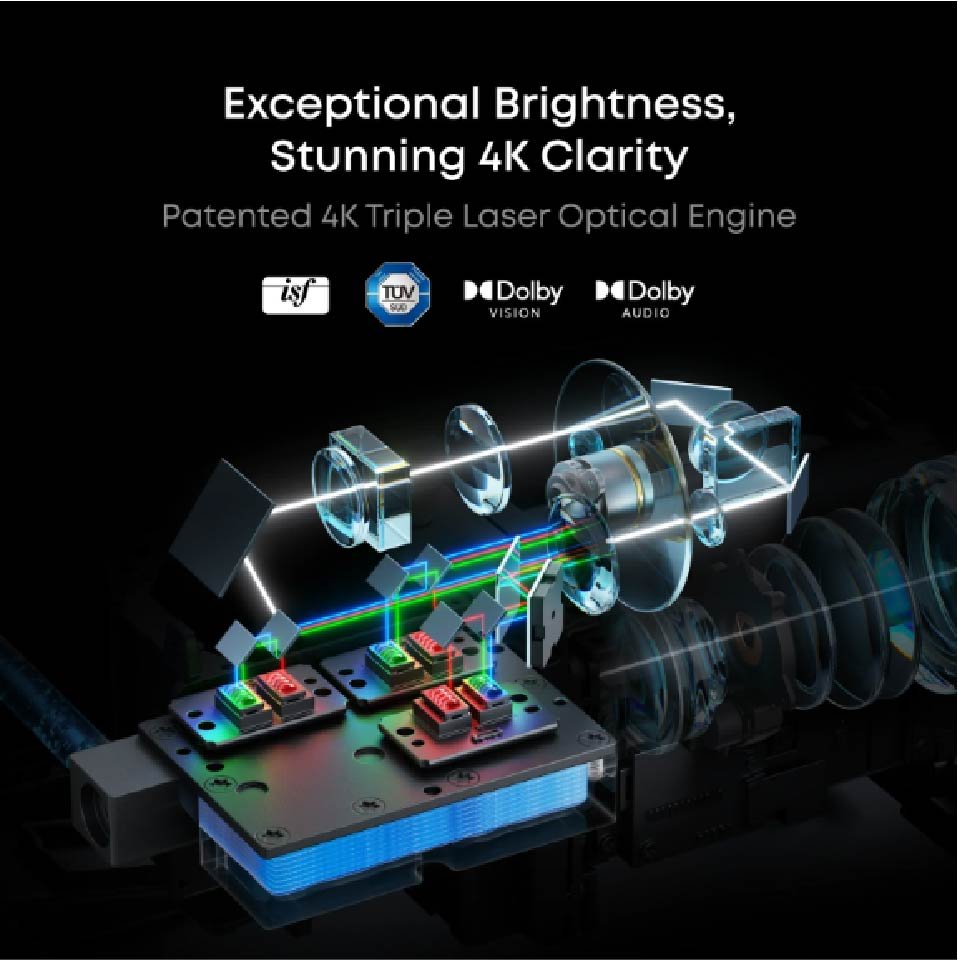
To understand how a laser projector works, it is important to look at its main components. The primary mechanism is based on three laser sources, typically red, green, and blue. These lasers combine to produce the full color spectrum. The light is then modulated by a micro-mirror device or digital light processing (DLP) chip, which creates the image displayed on the screen.
One key benefit of laser technology is its ability to maintain brightness over time. Unlike traditional lamps that dim with usage, lasers provide a constant light output, ensuring your images remain bright and clear even after thousands of hours of use.
Advantages of Laser Projector Technology
Laser projectors offer several advantages over conventional lamp-based systems.
First, they have a long lifespan, often reaching up to 20,000 hours, which is far superior to normal lamps. This makes them economical in the long run, despite a higher initial investment.
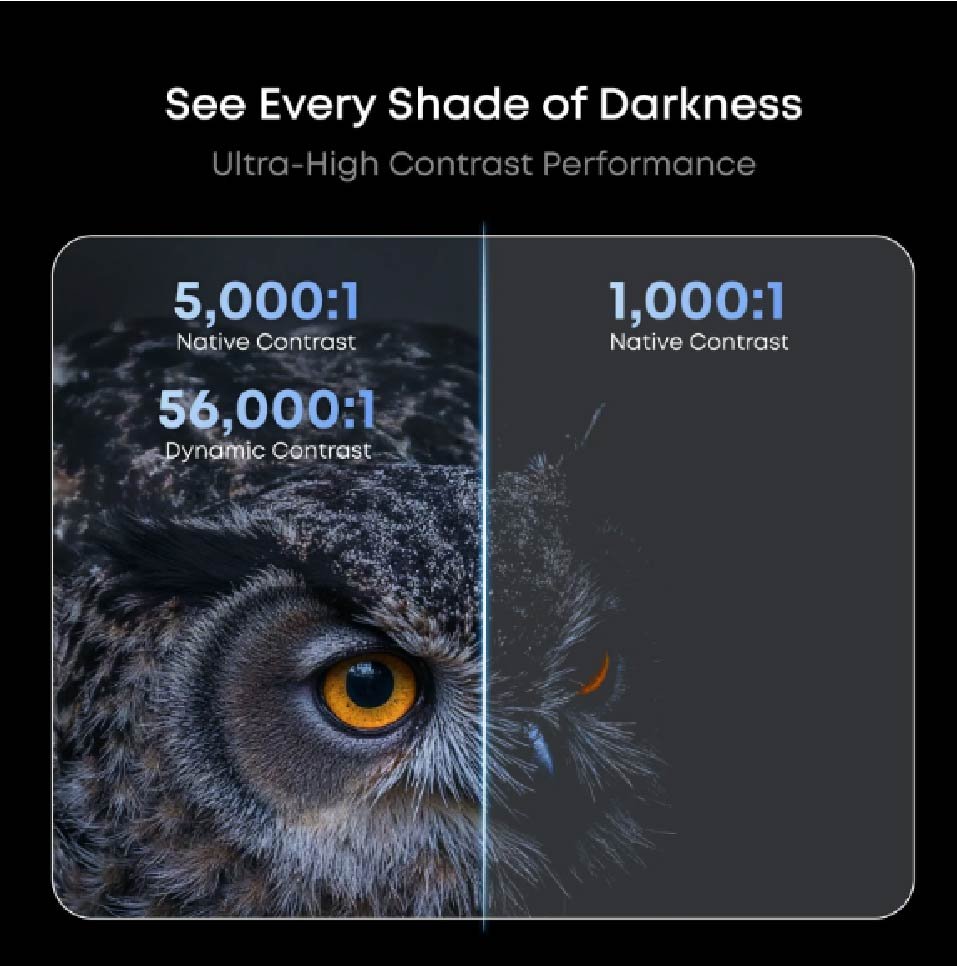
Second, laser projectors deliver high-quality images. Their precise light source ensures better color reproduction, sharper text, and deeper blacks, making them ideal for cinematic experiences and professional presentations.
Third, laser projectors operate quietly. They generate low heat, which reduces the need for aggressive cooling systems, making them perfect for home theaters and lecture halls.
Finally, laser projectors are energy-efficient. They consume less electricity to achieve the same brightness, which reduces energy bills and minimizes environmental impact.
Comparing Laser Projectors and Traditional Projectors
Several factors should be considered when choosing between a laser projector and a traditional lamp-based projector.
Laser projectors are generally brighter, more color-accurate, and require less maintenance. Traditional lamp projectors, however, tend to be less expensive upfront.
One major difference is image stability. Laser projectors maintain their brightness over thousands of hours, while lamp-based projectors gradually dim. Color consistency is another important factor, as laser projectors reproduce a broader color palette, making visuals more realistic.
Laser projectors are also more versatile. They can be installed in different environments without frequent adjustments or replacements, making them ideal for classrooms, meeting rooms, or home theaters.
Key Considerations When Choosing a Laser Projector
Selecting the right laser projector involves paying attention to several specifications. Brightness, measured in lumens, determines how well the image can be seen in ambient light. Resolution is another critical factor. 4K or 1080p models offer sharp and clear visuals, while ultra-short throw models are optimal for saving space.
Connectivity options are also essential. Most laser projectors include HDMI, USB, and wireless capabilities, allowing easy integration with laptops, gaming consoles, and streaming devices. Some models offer smart features, such as built-in media streaming applications, adding convenience for home users.
Applications of Laser Projectors
Laser projectors are versatile and can be applied in various environments. In education, they provide clear visuals that simplify complex topics and enhance lessons. In business, they make presentations more engaging with high-quality images.
For home entertainment, laser projector can transform living rooms into immersive theaters with large displays. Their long lifespan and consistent performance make them ideal for regular use without the inconvenience of frequent lamp replacements.
Conclusion
In conclusion, laser projectors represent a significant advancement in display technology. They combine long-lasting performance, energy efficiency, and exceptional image quality in a compact and versatile design. Understanding the science behind them and their advantages helps users select the projector that best fits their needs, whether for education, professional work, or home entertainment. A laser projector guarantees a reliable and high-quality visual experience that conventional projectors cannot consistently deliver.
Frequently Asked Questions About Laser Projectors
Why are laser projectors better than traditional projectors?
Laser projectors employ laser light sources instead of lamps, making them brighter, more color-accurate, and longer-lasting.
Are laser projectors more expensive?
The initial cost is higher, but long-term savings from reduced maintenance and energy efficiency often justify the upfront investment.
What is the lifespan of a laser projector?
Most laser projectors have a lifespan of approximately 20,000 hours, which can last many years with frequent use.
Can laser projectors be used in bright rooms?
Yes, laser projectors are bright enough to maintain vivid colors even in rooms with ambient light, depending on the lumens rating.
Do laser projectors require special screens?
Laser projectors work on standard screens, but certain high-gain screens can enhance brightness and contrast for optimal viewing.
