


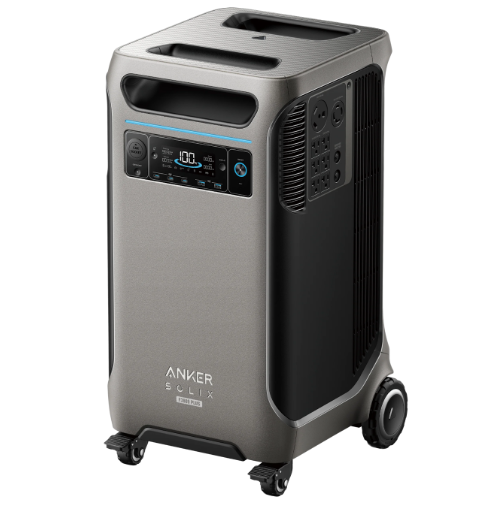
In today’s increasingly mobile and technology-driven world, having access to reliable electricity—even when you’re far from traditional outlets—has become more than a convenience; it’s a necessity. Whether you’re an outdoor enthusiast, a remote worker, a homeowner preparing for emergencies, or a professional needing backup energy on the go, a portable power station offers a practical and efficient way to stay powered. Unlike traditional generators that rely on fuel and generate noise and fumes, modern portable power stations deliver clean, quiet, and safe electricity wherever and whenever it’s needed.
But what exactly makes a portable power station so powerful—and why are more people turning to them? This article explores the features, benefits, and use cases of today’s power station technology and why investing in a portable unit might be one of the smartest decisions you can make.
What Is a Portable Power Station?
A portable power station is a compact, rechargeable battery-powered generator designed to supply electricity for devices and small appliances. Typically equipped with lithium-ion or the increasingly popular LiFePO4 battery chemistry, these units offer a stable and long-lasting energy source. They often include multiple output ports such as AC outlets, USB-A, USB-C, and 12V car ports, enabling users to charge everything from smartphones and laptops to mini-fridges, CPAP machines, power tools, and even electric grills.
Unlike a traditional fuel-powered power station, portable power stations do not require gasoline or propane. They can be recharged through wall outlets, car chargers, or solar panels, making them eco-friendly, cost-efficient, and easy to maintain.
Key Advantages of Using a Portable Power Station
1. Clean and Eco-Friendly Power
A major advantage of a portable power station is that it produces zero emissions. This makes it safe for use indoors and environmentally friendly. Since it doesn’t burn fuel, you avoid fumes, noise pollution, and the long-term expense of purchasing gasoline.
2. Convenient and User-Friendly
Portable power stations are designed for simplicity. Most models include digital displays showing battery levels, input/output wattage, and charging status. They are easy to operate, even for beginners, making them perfect for camping trips, emergencies, or backyard gatherings.
3. Quiet Operation
One of the biggest drawbacks of traditional generators is noise. Portable power stations operate silently, allowing you to enjoy a peaceful environment whether you’re sleeping in a tent or working remotely.
4. Multiple Charging Options
Most power stations can be recharged through standard wall outlets, but solar charging has become a highly valued feature. By pairing a portable power station with solar panels, you can create a sustainable off-grid energy solution. This is particularly appealing for campers, RV travelers, and outdoor workers who may spend extended time away from electrical outlets.
5. Enhanced Safety Features
Many modern units include battery management systems (BMS) that protect against overcharging, short-circuiting, overheating, and excessive discharge. These built-in features ensure that both the device and connected electronics remain safe.
Common Uses for a Portable Power Station
Camping and Outdoor Adventures
Camping no longer means disconnecting from all modern conveniences. With a portable power station, you can keep lights on, charge cameras, power air pumps, and even run small appliances like portable coolers. This makes outdoor adventures more comfortable and secure—especially for families.
Home Emergency Backup
Power outages can happen unexpectedly due to storms, grid issues, or infrastructure failures. A powerful portable power station can keep essential devices running during blackouts, including smartphones, medical equipment like CPAP machines, routers, and LED lights. Larger units can even support refrigerators for several hours.
Remote Work and Travel
More people are working from remote locations—from parks to beaches to mountain cabins. A portable power station ensures laptops, Wi-Fi devices, and communication tools remain charged throughout the day.
DIY Projects and On-Site Work
Contractors, handymen, and DIY enthusiasts often require power tools in locations without grid access. A compact power station provides a convenient and mobile solution, allowing users to operate drills, saws, and other essential tools.
RV and Van Life
The growing trend of van conversions and RV living demands reliable electricity on the road. Portable power stations offer a lightweight, efficient alternative to built-in gas generators, enabling travelers to power appliances, lighting, and entertainment systems without worrying about fuel consumption.
How to Choose the Right Portable Power Station
With the growing popularity of portable power stations, a wide range of models has entered the market. When choosing the right one, consider the following:
Battery Capacity (Wh)
This determines how long the unit can power your devices. Higher watt-hours mean longer runtime.
Output Power (W)
This measures how much power the station can deliver at once. If you plan to run appliances like microwaves or power tools, look for higher wattage.
Battery Chemistry
LiFePO4 batteries offer longer lifespan and improved safety compared to standard lithium-ion.
Port Options
A mix of AC, USB, and DC ports will maximize compatibility with your devices.
Recharging Speed
Fast charging can be critical during emergencies or travel.
Solar Compatibility
If you want off-grid independence, ensure your power station supports solar input.
Conclusion
A portable power station has evolved from a niche gadget into a must-have tool for modern living. Whether you need a backup supply for emergencies, a reliable way to power your adventures, or a clean, quiet, and convenient power source for daily tasks, today’s portable power stations deliver unmatched versatility and performance. As technology advances, these compact power generators are becoming more powerful, more affordable, and more essential—proving that the future of energy is not just renewable but also portable.
