


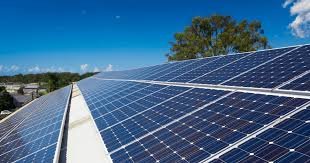
Solar panels sound brilliant in theory. Generate your own electricity, slash energy bills, help the planet. The sales pitch makes it seem wonderfully straightforward. But the true cost of going solar extends well beyond that initial installation quote.
This isn’t about scaring you off solar. It’s about going in with your eyes open. Companies like reputable solar installers prefer honest conversations upfront rather than surprised customers later. So let’s talk about the costs that rarely make it into the glossy brochures.
The Scaffolding Surprise
Your quote covers panels, inverter, installation labour. But what about getting workers safely onto your roof? Unless you’ve got a bungalow with easy access, you need scaffolding.
Most installers don’t include scaffolding in base quotes because every property differs.
Always ask whether scaffolding is included in your quote. If not, get a separate estimate before signing. This detail can shift your budget considerably.
The Roof Repair Reality
Solar panels expose roof problems you didn’t know existed. That deteriorating flashing around your chimney? The installer will spot it. Those loose tiles you’ve been ignoring? They need fixing before panels go up.
Reputable installers won’t mount systems on dodgy roofs. If your roof is older or hasn’t been maintained perfectly, budget for repairs. Sometimes replacing the entire roof first makes sense, especially if it’s approaching the end of its lifespan.
Think logically. Solar panels last decades. Your roof needs to last just as long, or you face removing panels, fixing the roof, then reinstalling everything. That’s expensive.
The Inverter Replacement Nobody Mentions
Panels might last over two decades. Inverters? Not so much. These devices convert DC electricity into usable AC power. They work hard and don’t last forever.
Most inverters need replacing during your system’s lifetime. It’s not catastrophic failure, just normal wear. But it catches people off guard because nobody mentioned it during sales.
Budget for eventual replacement. It’s not “if” but “when.” The good news? Inverter technology keeps improving, so replacements are usually more efficient.
The Cleaning and Maintenance Reality
Solar panels are marketed as “fit and forget.” They’re not. While they require less maintenance than many home systems, they’re not entirely maintenance-free.
Panels get dirty. Bird droppings, pollen, dust, all reduce efficiency. In most of the UK, rain does decent cleaning. But if you live near trees or in dusty areas, you’ll need occasional professional cleaning.
Good systems include monitoring software that tracks performance. Checking regularly means you’ll spot problems early. Occasional inspections ensure everything’s working optimally.
These aren’t huge ongoing costs, but they exist. Factor them into your long-term budget.
The Insurance Adjustment
Adding solar panels means contacting your home insurance provider. You’ve just added valuable equipment to your roof.
Most insurers simply note the addition and adjust your premium slightly. Some might want installation details. A few might charge more in high-risk areas.
It’s rarely a deal-breaker, but people forget to account for it. Call your insurer before installation, not after.
The Energy Storage Temptation
Battery storage systems let you store excess solar electricity for night use. They sound amazing because they are. But they’re expensive.
Many homeowners budget for solar panels, then halfway through decide they want batteries too. Suddenly their affordable project becomes a much bigger investment.
Batteries are brilliant if they fit your budget. But they’re not essential for solar to work or save money. If you can’t afford them initially, install panels alone and add batteries later when prices drop.
Don’t let sales pressure convince you that systems without storage are somehow incomplete.
The Reality Check
None of these hidden costs mean solar is a bad investment. They just mean realistic expectations produce happier customers.
Ask detailed questions. Get everything in writing. Budget for contingencies. Understand that the lowest quote isn’t always best value if it’s missing essential elements.
Solar panels remain one of the smartest home improvements you can make. The technology works, savings are real, environmental benefits genuine. Just calculate the complete picture, not just the headline number.
The happiest solar customers are those who planned properly, asked awkward questions, and budgeted for full reality rather than the sales pitch. Be one of them.
