


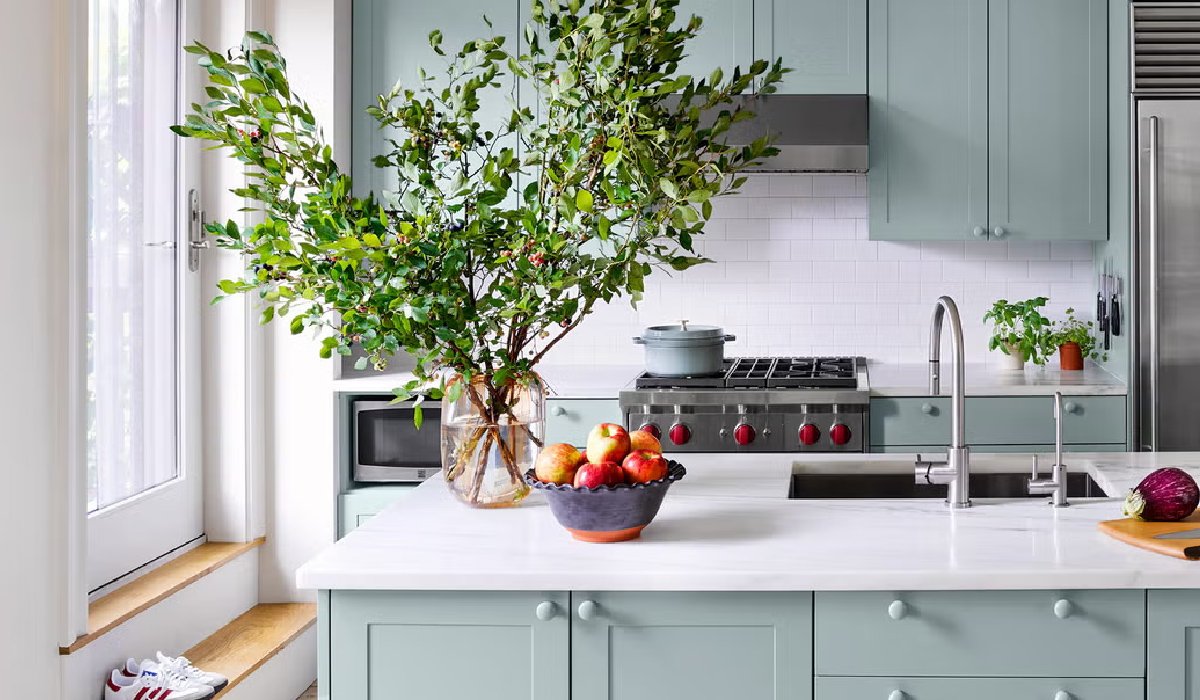
Cabinet painting has become one of the most popular and cost-effective ways to refresh the look of kitchens, bathrooms, and storage areas without the expense of a full remodel. Over time, cabinets can show signs of wear such as chipped paint, scratches, water damage, or outdated finishes, which can make a room feel tired and uninviting. Whether your goal is to modernize the aesthetic, change the color scheme, or simply restore worn surfaces, cabinet painting offers an efficient and impactful solution. Understanding the process, choosing the right materials, and applying proper techniques are crucial for achieving a professional and long-lasting finish.
Why Cabinet Painting is a Smart Investment
Cabinet painting is a practical solution for homeowners and designers looking to enhance the appearance of a space while managing costs. Replacing cabinetry entirely can be expensive, requiring not only the purchase of new cabinets but also additional work such as adjusting plumbing, countertops, and hardware. By contrast, painting existing cabinets significantly reduces material and labor costs while providing a similar visual transformation. Moreover, painted cabinets can match a wide variety of design styles, from modern minimalist to traditional or rustic aesthetics. A fresh coat of paint can also increase property value by improving the overall visual appeal and creating a sense of care and attention to detail in a home.
In addition to financial benefits, cabinet painting is an environmentally responsible choice. Instead of discarding old cabinets, refinishing them with paint extends their life and reduces construction waste. Eco-friendly paints with low or zero volatile organic compounds (VOCs) further minimize environmental impact, ensuring a healthier indoor environment for occupants. This combination of cost savings, aesthetic improvement, and sustainability makes cabinet painting an appealing option for homeowners, contractors, and designers alike.
Preparing Cabinets for Painting
Proper preparation is essential to achieve a smooth, durable finish in cabinet painting. The first step involves removing all hardware, including handles, knobs, and hinges, as well as any removable doors and drawers. This ensures that all surfaces are accessible and prevents hardware from being damaged or covered in paint. Next, the surfaces must be cleaned thoroughly to remove grease, dust, or other residues that can interfere with paint adhesion. Common cleaning solutions include mild detergents or degreasing agents specifically formulated for kitchen or bathroom surfaces.
After cleaning, sanding the cabinet surfaces is critical to promote adhesion and create a uniform texture. Sanding removes glossy finishes and minor imperfections, allowing primer and paint to bond effectively. For cabinets with existing paint or varnish, a medium-grit sandpaper is typically recommended. After sanding, all dust should be wiped away using a tack cloth or damp rag. Skipping proper preparation can result in peeling, uneven coverage, or a finish that deteriorates prematurely, highlighting the importance of meticulous prep work in cabinet painting.
Choosing the Right Paint for Cabinets
Selecting the appropriate paint is crucial to ensure a professional and long-lasting result. Cabinets experience frequent use, making durability, ease of cleaning, and resistance to moisture essential characteristics of the chosen paint. Many professionals recommend using high-quality acrylic or enamel paints designed for cabinetry or furniture. Acrylic paints provide flexibility, fast drying, and a smooth finish, while enamel paints offer a hard, durable surface capable of withstanding scratches and daily wear. Semi-gloss or satin finishes are popular choices for cabinets, as they are easier to clean than flat finishes while providing an appealing sheen.
Primer selection is equally important in cabinet painting. Primers promote adhesion, cover existing colors, and help prevent stains from bleeding through the new paint. For cabinets made of wood or laminate, using a bonding primer ensures that the paint adheres effectively to the surface. In some cases, stain-blocking primers are recommended to prevent knots or tannins in wood from discoloring the final finish. Investing in high-quality paint and primer is a critical step that contributes to the longevity and professional appearance of painted cabinets.
Painting Techniques for Professional Results
The technique used during cabinet painting can significantly impact the final appearance and durability of the finish. Many professionals recommend using a combination of brushes and rollers to achieve a smooth, even surface. Small angled brushes are ideal for corners, edges, and detailed molding, while high-density foam rollers work well on flat surfaces. Spray painting is another option often used in professional settings, as it can produce a flawless finish with minimal brush marks. However, spray painting requires proper ventilation, masking of surrounding areas, and careful handling to avoid overspray.
Applying multiple thin coats of paint is preferred over a single thick coat, as it reduces drips, ensures even coverage, and allows each layer to cure properly. Between coats, light sanding with fine-grit sandpaper smooths any imperfections and enhances adhesion for subsequent layers. Proper drying time between coats is essential; rushing the process can compromise the finish and result in peeling or uneven texture. Following these painting techniques carefully ensures that the cabinets maintain a high-quality, durable finish capable of withstanding daily use.
Reassembling and Finishing Touches
Once the paint has fully dried and cured, reassembling the cabinets is the next step in completing the transformation. Doors, drawers, and hardware should be carefully reinstalled, ensuring proper alignment and smooth operation. Upgrading hardware during the painting process can further enhance the aesthetic appeal of the cabinets, giving them a fresh, modern look. Attention to detail during reassembly, such as adjusting hinges or soft-close mechanisms, ensures that the cabinets function properly while maintaining a professional appearance.
Adding finishing touches, such as clear protective topcoats, can further increase durability and make the cabinets painting easier to clean. Water-based polyurethane or polycrylic coatings are often recommended, providing a clear, protective layer that preserves color and sheen without yellowing over time. These finishing measures complete the cabinet painting process, resulting in a refreshed, stylish, and long-lasting transformation.
Common Mistakes to Avoid in Cabinet Painting
Even with careful preparation and quality materials, certain mistakes can compromise the results of cabinet painting. One of the most common errors is inadequate surface preparation, such as insufficient cleaning or sanding, which leads to poor adhesion and peeling paint. Applying thick coats or rushing the drying process can cause drips, bubbles, or uneven texture. Using low-quality paint or skipping primer can reduce durability and make cabinets more prone to scratches, stains, or discoloration. Masking mistakes, such as failing to cover countertops, floors, or walls, can result in unintended paint marks and additional cleanup. By understanding these common pitfalls and following proper techniques, homeowners and professionals can achieve consistent, high-quality results.
DIY vs. Professional Cabinet Painting
Cabinet painting can be undertaken as a DIY project or by hiring professional services, depending on skill level, available tools, and desired outcome. DIY projects offer cost savings and the satisfaction of personal involvement, but they require time, attention to detail, and familiarity with painting techniques. Professionals bring experience, specialized equipment, and advanced techniques such as spray painting or specialty finishes, which can yield a flawless and durable result. For high-traffic areas, intricate designs, or complex cabinetry, professional cabinet painting is often the preferred choice to ensure a long-lasting and aesthetically pleasing outcome.
Benefits of Cabinet Painting Beyond Aesthetics
While the visual transformation of cabinet painting is immediately apparent, the benefits extend beyond aesthetics. Properly painted cabinets are easier to clean and maintain, with smooth surfaces that resist grease, stains, and moisture. Fresh paint protects underlying wood or laminate from damage caused by everyday use, extending the life of the cabinetry. Additionally, updating cabinet finishes can influence the perception of space, making rooms appear brighter, larger, or more cohesive. Whether in a kitchen, bathroom, or storage area, these functional and visual benefits make cabinet painting a practical and impactful home improvement choice.
Conclusion
Cabinet painting is a cost-effective, environmentally responsible, and aesthetically transformative method for refreshing kitchens, bathrooms, and storage areas. By understanding the process, preparing surfaces properly, selecting quality paints and primers, and applying professional techniques, homeowners and contractors can achieve results that are both visually appealing and durable. Paying attention to detail, avoiding common mistakes, and considering professional services when appropriate ensures a smooth, long-lasting finish. Beyond aesthetics, painted cabinets improve functionality, maintenance, and longevity, making cabinet painting a smart investment for any home or workspace. With careful planning and execution, this relatively simple home improvement project can dramatically enhance the style, value, and usability of your space.
