


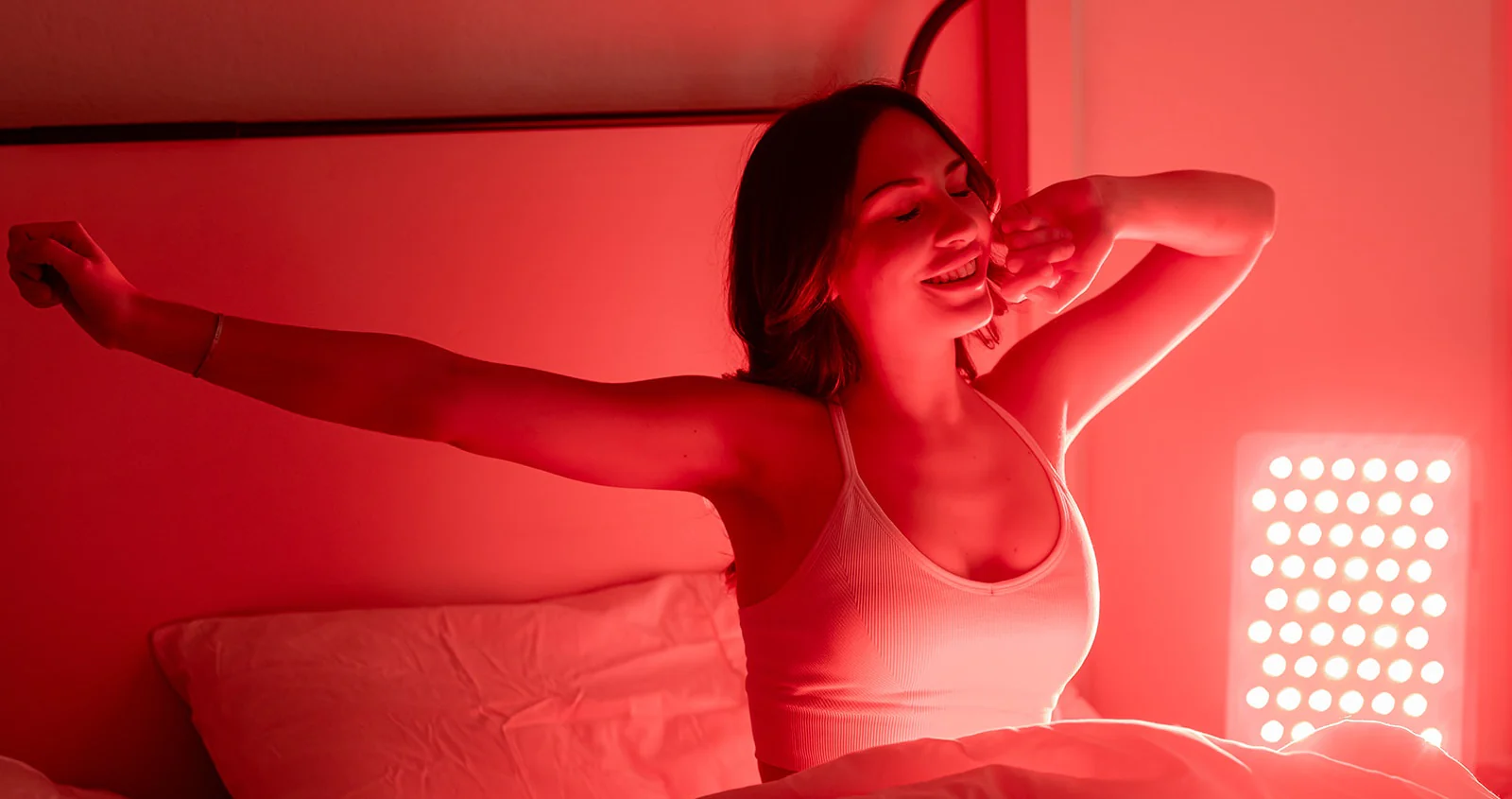
Feeling tired, sluggish, or down, especially during the darker months? You’re not alone. Many people find their mood and energy levels dip when they get less exposure to natural sunlight. Fortunately, there’s a simple and effective way to bring the light back into your life: light therapy. This guide will walk you through how light therapy can help optimize your mood, energy, and sleep.
Light therapy involves using a special lamp that mimics natural outdoor light. Exposure to this bright light can cause a chemical change in the brain that lifts your mood and increases your energy. It’s a recognized treatment for Seasonal Affective Disorder (SAD), but its benefits extend to anyone looking to improve their daily well-being and regulate their sleep patterns.
How Do Light Therapy Lamps Work?
Light therapy lamps are designed to simulate sunlight, which helps to regulate your body’s internal clock, also known as your circadian rhythm. When you’re exposed to the bright light from one of these lamps, your brain gets a signal to wake up, produce less melatonin (the sleep hormone), and increase serotonin (a feel-good chemical).
The effectiveness of this therapy depends on the intensity of the light, measured in lux. Most experts recommend using a lamp that provides 10,000 lux. Using one of these powerful lamps for just 20 to 30 minutes each morning can make a significant difference in how you feel throughout the day. It helps reset your body clock, making it easier to wake up in the morning and fall asleep at night.
Choosing the Right Lamp for You
With many options available, picking the right light therapy lamp can feel overwhelming. Here are a few key factors to consider:
- Intensity:Look for a lamp that delivers at least 10,000 lux. This is the standard intensity proven to be effective in clinical studies.
- UV Filtering:Ensure the lamp filters out harmful UV rays to protect your skin and eyes. Safety should always be a priority.
- Light Source:Most modern lamps use LED technology, which is energy-efficient and long-lasting.
- Size and Design:Think about where you’ll use the lamp. If you plan to use it at your desk while working, a smaller, more portable model might be best. If it’s for your living room, you might prefer a larger, more stationary design.
Best Practices for Using Your Lamp
To get the most out of your light therapy sessions, it’s important to use the lamp correctly and consistently.
- Timing is Everything:The best time to use your lamp is within the first hour of waking up. This helps reinforce your body’s natural wake-sleep cycle.
- Positioning Matters:Place the lamp about 16 to 24 inches from your face. The light should be directed at your eyes, but you shouldn’t stare directly into it. You can read, work, or eat breakfast during your session.
- Be Consistent:For the best results, use the lamp every day, especially during the fall and winter months when daylight is limited.
Are There Any Side Effects?
Light therapy is generally safe, but some people might experience mild side effects, such as eye strain, headaches, or nausea. These symptoms are usually temporary and can be managed by reducing the duration of your sessions or moving the lamp further away.
However, this therapy isn’t for everyone. Individuals with certain eye conditions, like glaucoma or cataracts, or those with bipolar disorder should consult a doctor before starting. Your doctor can help determine if it’s a safe and appropriate option for you.
Illuminate Your Well-Being
Light therapy offers a practical and powerful way to combat low mood, boost energy, and improve your sleep quality. By selecting the right light therapy lamps and using them consistently, you can effectively manage the effects of reduced sun exposure and feel more vibrant year-round. If you’re struggling with seasonal blues or just want to optimize your daily rhythm, bringing a little extra light into your routine could be the key to a brighter, more energetic you.
