


Solar panels promise decades of reliable energy generation, but that longevity depends on proper maintenance. Most homeowners install their systems, watch the savings accumulate, then forget the panels exist until something goes wrong.
Regular maintenance keeps panels performing optimally, prevents expensive repairs, and protects your investment. Most solar panel care is straightforward, with many tasks homeowners can handle themselves.
Visual Inspection: What to Look For
Check your panels from ground level every few months. You’re looking for obvious issues that signal problems developing. Cracked or damaged panels need immediate attention, as moisture infiltration can destroy entire modules. Missing or loose mounting hardware suggests your system might not be secure, particularly during storm season.
Look for debris accumulation. Leaves, twigs, and bird nests reduce output and can cause localized heating that damages panels over time. Heavy snow buildup in winter stops electricity generation until it melts or slides off naturally.
Check the condition of cables and junction boxes. UV exposure degrades protective coverings over years. Exposed wiring or damaged cable management needs professional attention. If you’re unsure what to look for during inspections, many local solar installation companies offer guidance or can perform professional assessments.
Cleaning: When and How
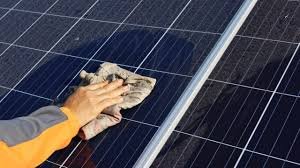
Dust, pollen, bird droppings, and grime accumulate on panels, creating a film that blocks sunlight and reduces output. In most UK locations, rain provides adequate cleaning, but some situations require manual intervention.
Clean panels if you notice significant dirt buildup or unexplained output drops. Spring and autumn are ideal times. Use plain water and a soft brush or squeegee on an extension pole. Avoid abrasive materials that scratch glass. Never use harsh chemicals or high-pressure washers.
Safety matters more than perfectly clean panels. If your roof is steep or high, hire professionals rather than risking injury.
Clean early morning or evening when panels are cool. Spraying cold water on hot panels can cause thermal shock and cracking.
Monitoring System Performance
Modern solar systems include monitoring that tracks daily, monthly, and lifetime generation. Regular review catches problems before they become expensive. Set aside time monthly to check your system’s app or web portal.
Compare current output to historical data for the same period. Generation varies seasonally, but significant drops compared to last year’s equivalent month signal issues. Sudden changes deserve immediate investigation, while gradual declines might indicate aging or dirt accumulation.
Watch for inverter errors or warnings. These central components convert DC electricity from panels into AC electricity your home uses. Error messages, unusual sounds, or warning lights indicate problems requiring professional diagnosis. Catching issues early prevents complete system shutdowns.
Note any shade patterns that develop over time. Trees grow, neighboring buildings go up, and new structures create shadows that didn’t exist at installation.
Professional Inspections: When to Call Experts
Some maintenance tasks require professional knowledge and equipment. Schedule a comprehensive inspection every few years, more frequently for older systems. Professionals check electrical connections, measure voltage and current, inspect mounting integrity, and use thermal imaging to identify failing panels or hotspots invisible to the naked eye.
Inverter replacement represents the most common major expense during a system’s life. When your inverter approaches its expected lifespan or shows performance issues, plan for replacement rather than waiting for complete failure.
After severe weather, professional inspection provides peace of mind. High winds, hail, or heavy snow can damage mounting systems or crack panels without obvious external signs.
Seasonal Considerations
Autumn brings falling leaves that accumulate in panel gaps. Clear these regularly, as wet leaves promote moss growth and retain moisture. Winter means shorter days and lower sun angles, but panels often perform efficiently in cold conditions.
Spring pollen season coats everything. A good spring clean maximizes generation as days lengthen. Summer’s intense sun and longer days produce peak output, making this the best time to notice performance issues through monitoring.
The Value of Consistent Care
Solar panels are remarkably durable, but they’re not maintenance-free. The difference between a system that performs strongly for decades and one that underperforms from year five often comes down to basic care. Visual checks cost nothing but time. Monitoring reviews take minutes monthly. Occasional cleaning and professional inspections represent minimal investment compared to system replacement or extensive repairs.
Treat your solar installation like any other significant home system. Regular attention prevents problems, maximizes financial returns, and protects the investment you made in energy independence. The few hours yearly you dedicate to maintenance pay dividends in performance, longevity, and peace of mind.
