


For homeowners in Perth, selecting a hot water system is about more than just convenience—it’s about finding a solution that fits local living conditions and energy expectations. With a range of options available, many households still consider whether an electric hot water system perth homes rely on can deliver the right balance of reliability, efficiency, and long-term value. Understanding how electric systems perform in Western Australia helps make that decision clearer.
How Perth’s Climate Affects Hot Water Use
Perth enjoys a warmer climate compared to many other Australian cities, which can work in favor of electric hot water systems. Milder winters mean less energy is required to maintain water temperature, reducing strain on the system. However, higher water usage during summer—such as frequent showers and outdoor activities—can increase demand. Selecting a system that balances capacity with efficiency is essential for consistent performance year-round.
Benefits of Electric Hot Water Systems
One of the main advantages of electric systems is their simplicity. They do not require gas connections, flues, or complex ventilation, making them easier to install in a wide range of properties. This flexibility is particularly useful for apartments, townhouses, and homes undergoing renovations.
Electric systems are also widely available and supported by local plumbers, ensuring faster servicing and access to replacement parts when needed.
Energy Costs and Efficiency Considerations
Electricity pricing in Western Australia makes efficiency an important consideration. Many electric hot water systems can be paired with off-peak electricity plans, heating water during lower-cost periods and storing it for later use. This approach can significantly reduce running costs when usage patterns align.
Modern electric units also feature improved insulation and smarter temperature controls, helping minimize heat loss even during extended periods of non-use.
Storage vs Instant Systems for Perth Homes
Electric hot water systems generally fall into two categories:
Storage systems are well-suited to families and larger households with predictable usage patterns. They provide readily available hot water and work effectively with off-peak tariffs.
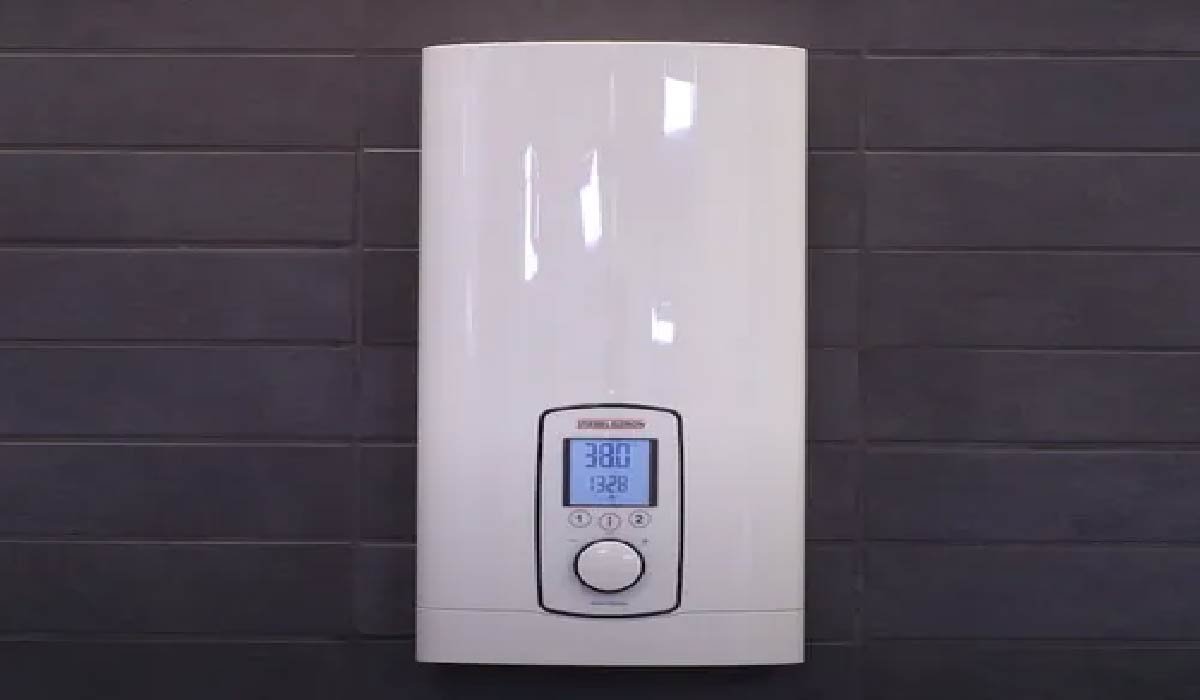
Instant systems heat water on demand and are ideal for smaller households or homes with limited space. While efficient, they may require higher electrical capacity, which should be assessed before installation.
Installation and Space Requirements
Electric systems offer flexible installation options, whether indoors or outdoors. Outdoor installations must be designed to withstand Perth’s heat and sun exposure, while indoor units require adequate drainage and access for maintenance.
Professional installation ensures compliance with local regulations and optimizes system performance from day one.
Maintenance and System Lifespan
Routine maintenance plays a major role in extending the life of an electric hot water system. Periodic checks of heating elements, valves, and internal components help prevent unexpected failures. In Perth’s climate, maintaining proper insulation and temperature settings can further improve efficiency and durability.
Is It the Right Choice for Your Home?
An electric hot water system can be a practical and dependable choice for many Perth households. With the right system size, energy plan, and professional installation, homeowners can enjoy reliable hot water without unnecessary complexity. Evaluating your household’s water usage and long-term energy goals will help determine whether an electric solution aligns with your needs.
