


Adolescence and early adulthood are periods of rapid growth, identity formation, and significant life transitions, which can bring emotional stress, mental health challenges, and sometimes experimentation or use of drugs and alcohol. For young people facing such risks, youth drug and alcohol services play a vital role in not only helping manage substance use but also safeguarding and supporting mental health.
What are Youth Drug and Alcohol Services
Youth drug and alcohol services refer to specialised support programs tailored for minors and young adults who are dealing with alcohol and substance use issues. These services often include a variety of support options such as outreach counselling, centre-based support, dual diagnosis care for both mental health and substance use, family-oriented counselling, day programs or drop-in centres, safe residential or outpatient treatment, and aftercare support.
In some cases, these services are provided by dedicated youth-focused organisations that understand the unique developmental, psychological, and social needs of younger clients.
Addressing Dual Challenges: Substance Use and Mental Health
One of the most important strengths of youth drug and alcohol services is their capacity to support individuals facing both substance use and mental health issues simultaneously, often called co-occurring or dual diagnosis needs. Many of these services integrate mental health counselling and substance use treatment, which helps tackle the underlying causes or triggers of substance use, as well as the emotional and psychological distress involved.
By doing so, these services help young people not just reduce or stop substance use, but also address anxiety, depression, trauma, or other mental health issues that may have contributed to or resulted from substance use. This holistic approach tends to be far more effective than treating only one problem in isolation.
Providing a Safe Space for Support and Recovery
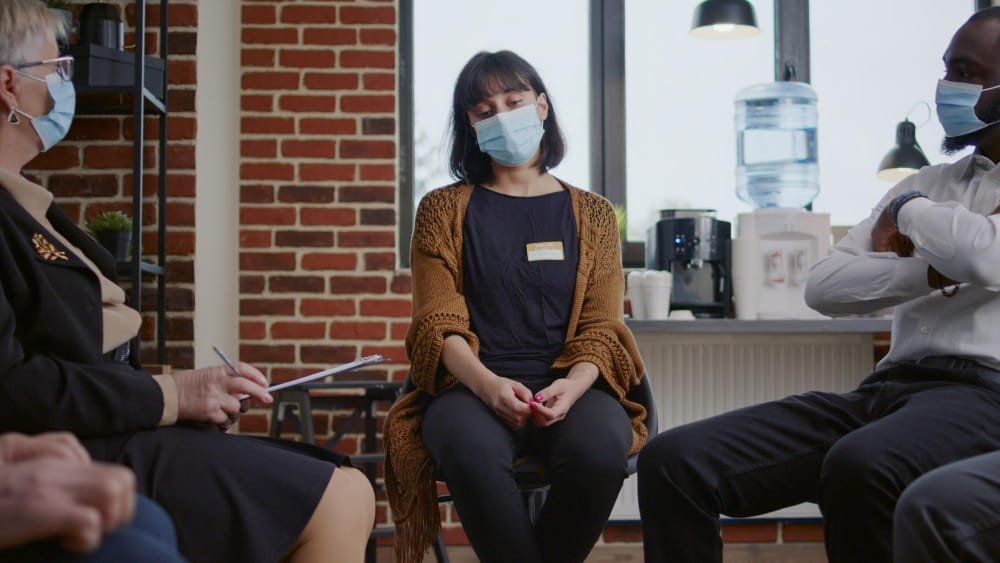
Youth drug and alcohol services offer safe, non-judgmental environments where young people can feel heard, supported, and understood. Whether through outreach, day programs, counselling, or residential rehabilitation, these services create a space for honest conversations about drug or alcohol use, mental health struggles, and personal challenges.
This sense of safety and acceptance is especially important for youth who may feel stigma, shame, or fear when confronting their substance use or mental health problems. By providing empathy and professional guidance, services help them overcome denial, isolation, or avoidance, common barriers to getting help.
Building Life Skills, Social Support, and Stability
Recovery and mental health support for youth is about more than just stopping substance use. Many youth drug and alcohol services also emphasise life skills, social support, education or vocational training, and reintegration into community or family life.
For example, residential programs may include psychosocial support, counselling, case management, educational or vocational training, and aftercare that helps clients transition back into everyday life, helping them secure housing, work, or study opportunities, and building resilience for the future.
These supports give young people a stable foundation, reducing relapse risk, fostering healthy habits, and promoting mental well-being. This holistic rehabilitation model helps youth rebuild trust, self-esteem, and motivation, key factors for long-term mental health recovery.
Supporting Families and Social Networks
Youth drug and alcohol services often recognise that substance use affects not just the individual but the wider family and social environment. Many programs include family-focused counselling or support, helping parents and caregivers understand addiction, mental health, and how best to support their youth.
By involving families, services help restore communication, empathy, and mutual understanding. This can repair fractured relationships, provide emotional support to the youth, and build a supportive environment crucial for successful recovery and wellness.
Early Intervention and Prevention
The earlier a young person receives support, the better the chances for preventing long-term damage to mental health and well-being. Youth drug and alcohol services provide early intervention opportunities, many accept self-referrals, and aim to engage with young people before substance use develops into chronic addiction.
Early intervention can identify underlying mental health issues, provide coping strategies, and prevent deterioration of mental or physical health, which is especially important during the transformative years of adolescence and early adulthood.
Support During Withdrawal, Rehabilitation, and Aftercare
For some young people, safely withdrawing from substances and undergoing rehabilitation is a necessary step. Youth drug and alcohol services often provide medically supervised withdrawal support, residential rehabilitation, and, importantly, aftercare programs. In some cases, families also explore specialized options such as luxury drug rehab programs that combine medically supervised care with personalized treatment plans and supportive residential settings designed to promote lasting recovery.
Aftercare is critical. Returning to everyday life after rehab can be daunting, especially for youth. With aftercare support, a youth worker helps reconnect the individual with family or community, access education or employment, and maintain healthy routines. This continuity of care reduces relapse risk and supports long-term mental wellness.
Reducing Harm and Supporting Long-Term Well-Being
Youth drug and alcohol services frequently adopt harm reduction and evidence-based models that prioritise safety, dignity, and long-term growth rather than solely punitive or abstinence-only approaches. This allows young people to receive support whether they are just exploring their relationship with substances or are ready to pursue recovery.
By doing so, these services help minimise the negative physical, psychological, and social impacts of substance use and contribute to long-term mental health, stability, and resilience.
Why Investing in Youth Drug and Alcohol Services Matters for Mental Health
Young people face unique challenges, peer pressure, identity crises, academic stress, social expectations, and emotional changes, which can make them vulnerable to mental health and substance use issues. Without proper support, these challenges can compound into serious long-term problems.
By offering a safe, compassionate, and holistic support system, youth drug and alcohol services provide a critical lifeline. Through integrated counselling, rehabilitation, life-skill building, family support, and aftercare, they help young people overcome immediate crises, build resilience, and lay the foundations for healthier futures.
Importantly, these services don’t just address substance use; they address the underlying mental health issues, contribute to emotional stability, support social reconnection, and improve life outcomes overall.
When communities, families, and policymakers prioritise such services, they are investing not only in reducing substance-related harms but in nurturing the mental health and well-being of the next generation.
Conclusion
Mental health and substance use are often deeply interconnected, especially in youth. That’s why comprehensive, youth-friendly, and compassionate interventions matter. Youth drug and alcohol services offer more than just addiction treatment. They offer mental health support, hope, recovery, and a chance for young people to rebuild their lives.
Whether through early intervention, counselling, rehabilitation, or long-term aftercare, these services help break the cycle of substance use and mental distress, creating pathways toward resilience, self-worth, and brighter futures.
