


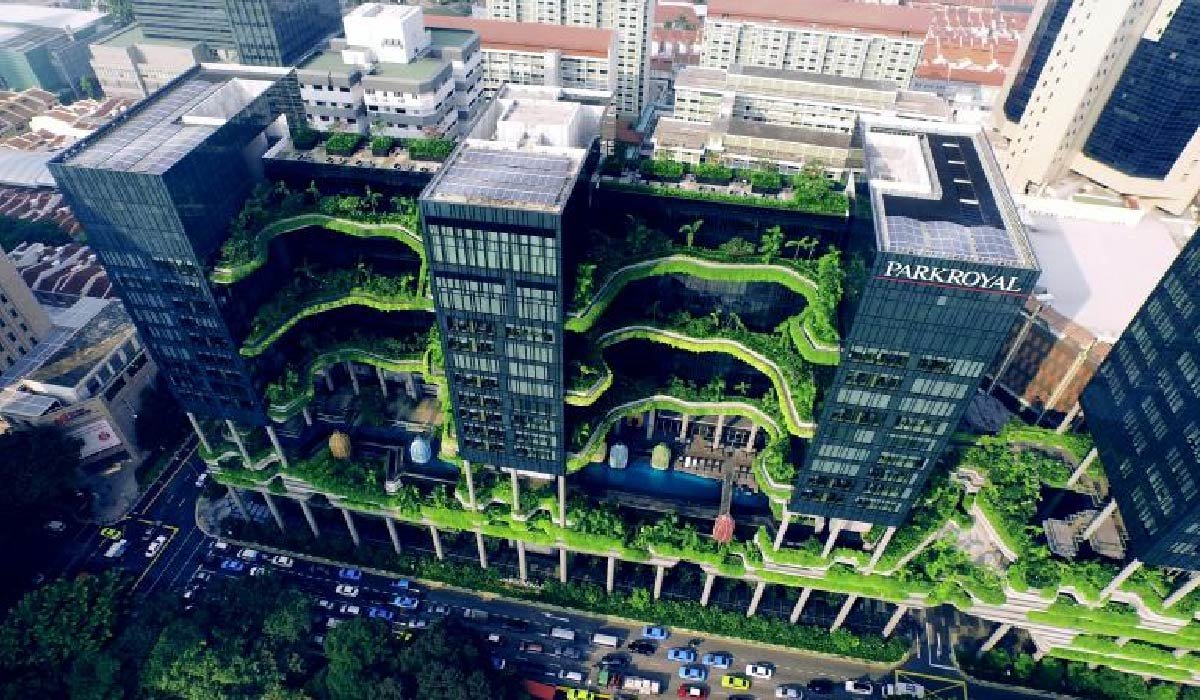
In a city where concrete towers kiss the sky and the rhythm of life pulses through the streets, the need for a breath of fresh air has never been more essential. Singapore, with its unique blend of modernity and tradition, stands at the frontier of a new way of living. As the Little Red Dot continues to grow, the spotlight shines brightly on the integration of green spaces into urban development. This topic has sparked conversations among residents, city planners, and even eco-warriors alike, all curious about how we can foster a more balanced existence.
Why Green Spaces Matter
You might be wondering why so much fuss is made about greenery amidst high-rises and bustling shopping malls. Well, let me tell you, it goes beyond aesthetics. Green spaces offer mental and emotional solace. Just imagine standing in the middle of a serene park, leaves rustling in the wind, while the hustle of the city fades into a soft hum. It’s almost like nature’s whisper reminding you to take a breather.
Research has shown time and again how parks and gardens can improve mental well-being. Imagine residents saving themselves from the struggle of daily stresses, simply by stepping outside their door and into a lush enclave. Such havens can combat urban fatigue, reduce pollution, and even lower temperatures. Who wouldn’t want to trade a few minutes of city noise for a peaceful stroll alongside blooming flowers?
Singapore’s Green Initiatives
So how has Singapore been tackling this challenge? The city-state has been quite innovative, embracing a vision known as the “Garden City.” Initiatives like park connectors, living walls, and urban gardens have all sprung up, creating a seamless blend of greenery within the urban landscape. Want to catch the sunrise while sipping coffee? The many parks interspersed throughout the city offer the perfect spot for a quiet moment of reflection.
One particularly exciting project is the Gardens by the Bay. With its striking Supertree Grove and climate-controlled conservatories, it’s become a symbol of the city’s commitment to sustainability and aesthetics. People flock here not just for the sights, but to experience the harmony of nature intertwined with urban living. It’s a testament to how careful planning can lead to a more holistic urban experience.
Balancing Development with Nature
Of course, achieving balance isn’t easy. Developers face the tightrope walk of maximizing real estate potential while accommodating green spaces. It’s a tough task, but communities are increasingly vocal about their need for parks, and, thankfully, developers are starting to listen. In many new projects, it’s no longer just about the number of units or square footage; it’s about creating a lifestyle that offers both luxury living and access to nature.
Take, for instance, Ardmore Park. Blending lush landscaping with contemporary design, this development represents the new wave of urban living. Residents can enjoy a well-planned integration of nature and luxury, where mornings are spent wandering through beautifully manicured gardens, and evenings are spent dining al fresco under a canopy of trees. It’s hard not to feel envious of those who call such places home.
Community Engagement and Urban Greenery
Another key player in this conversation is community engagement. Embracing community-led green initiatives is a wonderful way to create a stronger connection between residents and their environment. Volunteer gardening days, clean-up drives at local parks, or simply hosting a picnic in the park can strengthen bonds and make people feel more invested in their surroundings.
Involving local residents in these initiatives not only makes the community feel more alive, but it also fosters a sense of ownership that keeps these spaces vibrant and cherished. Folks often share personal stories about their favorite spots in the neighborhood, whether it’s a tree they watched grow or a flower bed they cultivated with friends. It turns the responsibility of caring for nature from just a duty to a shared joy.
The Future of Green Urban Living
Looking ahead, the integration of green spaces in Singapore’s urban landscape will only expand. The goal is clear: create a city where nature is woven into the fabric of daily life. With the challenges of climate change and urbanization, the paradigm of living harmoniously with nature is not just desirable; it’s essential.
As we continue to navigate this journey, the lessons from Singapore serve as an inspiration worldwide. It’s about more than just adding patches of green; it’s about nurturing a culture that values both nature and urban living experiences. So next time you find yourself in the heart of the city, take a moment to wander into a park and see how nature has found its way into urban life. You just might find the balance you’ve been craving.
