


There’s a certain type of purchase that looks extravagant on paper but turns out to be one of the better decisions you’ve made.
Not the obvious luxury items — the things that sit in the background of our daily lives. We don’t really notice them, but feel the difference with the upgrades.
These are things where cheap tends to cost more in the long run. We either end up replacing them more often, or they’re just not functional.
Here are some worth reconsidering.
A good kitchen knife
Most home cooks manage with a block of mediocre knives that were either bought cheaply or came as a set from somewhere.
The difference a single well-made chef’s knife makes is significant — not just in how things cut, but in how cooking actually feels. You don’t need many knives; you need one or two good ones.
A Japanese or German blade in the £80–150 range, properly maintained, will easily outlast several rounds of cheaper alternatives and make daily cooking much more pleasant. It’s really that simple.
Proper bed linen
We spend roughly a third of our lives in bed, which makes the quality of our sheets a fairly reasonable thing to invest in.
The difference between 200-thread-count polycotton and a well-made percale or sateen cotton set is immediately apparent — in how it feels, how it washes, and how long it lasts.
Higher quality linen also tends to get better with washing rather than pilling and fading after a few months. It’s one of those upgrades that improves something you experience every single day. And everyone deserves a good night of sleep.
A bath mat that actually works
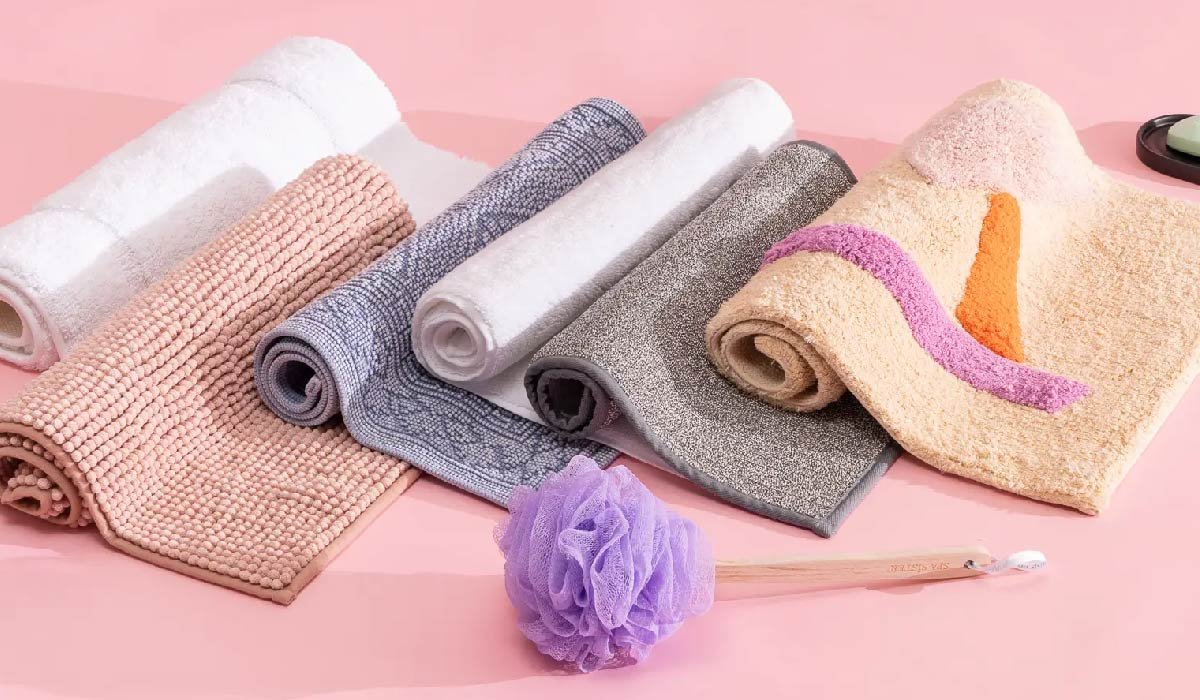
Fabric bath mats have a fundamental problem: they stay damp for the most part. In warm bathrooms, they can smell musty within days of washing; they need regular laundering to stay hygienic, and they tend to look tired quickly. That’s time, money, and effort.
A good natural bath mat made from diatomite — a naturally occurring mineral material — sidesteps all of that. It absorbs water immediately and releases it back into the air within minutes, so it’s dry again almost before you’ve finished towelling off. No washing required, no smell, no replaced-because-it-looked-grim cycle.
It’s a much better alternative. Simple, effective, convenient and elegant. It has that luxury look and SPA vibe, with none of the hassle that usually comes with it.
A cast iron pan (or two)
Cast iron is one of the few things in a kitchen that genuinely improves with age and use.
A well-seasoned cast iron skillet sears better than almost anything else, goes from hob to oven without a second thought, and will be just as good in twenty years as it is now.
The upfront cost is higher than a standard non-stick pan, but you’re buying something you’ll never need to replace. A Dutch oven in the same material is similarly worth the investment if you do any slow cooking.
Towels with some actual substance to them
Like bed linen, towels are used so regularly that a better version makes a consistent, daily difference.
The main thing to look for is GSM — anything below 400 will feel thin and dry quickly in a way that isn’t particularly pleasant. From 550 upwards, you’re getting into genuinely good territory.
Natural fibres are also something we should prioritise; they hold up better over time and don’t develop the slightly synthetic feel that cheaper blended towels tend to acquire after some time. Natural towels feel better from the start — and stay that way.
A beach towel worth keeping
Beach towels are a category where most people have quietly accepted a low standard.
They tend to be thin, they shed, they turn rough after a few washes, and they’re usually stuffed in a bag somewhere until they’re needed rather than stored anywhere considered.
A decent organic cotton beach towel — heavyweight, properly constructed, made from a soft, natural material is one of those things that makes you wonder why you put up with the previous version for so long.
The extra size matters too; an oversized towel is just more useful, whether you’re at the beach, by a pool, or using it at home in the interim.
A proper coffee setup
If you drink coffee at home every day — and most people do — your setup matters more than you’d think. This doesn’t mean spending a lot.
A decent burr grinder, fresh beans, and a simple brewing method like a V60 or an Aeropress produces better coffee than most pod machines at a fraction of the ongoing cost.
There’s something to be said for the process too — five minutes, a bit of attention, and something genuinely good at the end of it. That’s a better start to the morning than a button and something average.
Good walking or running shoes
Footwear is one of the clearest cost-per-use arguments going.
A £150 pair that lasts five years and feels good every time works out cheaper than cycling through £40 pairs every eighteen months — and considerably more pleasant to wear in the meantime.
The more you use them, the more it matters. Anything you’re putting on every day or taking out for exercise earns its price tag quickly.
Common thread
What connects all of these are two things – how often we use them, and how long they last. Frequency and longevity. The things worth spending more on tend to be the ones you interact with every day — not occasionally, not as a treat, but as a consistent part of daily life.
That frequency changes the maths considerably. An extra £50 on something you use twice a year is a different calculation to the same amount on something you use twice a day.
The other consistent factor is that better versions of everyday things tend to last longer and perform better over time rather than decline.
That’s not universally true — price doesn’t always track quality — but it’s a reasonable starting point for the things on this list. Buy once, buy well may be a cliché. Doesn’t make it untrue.
