


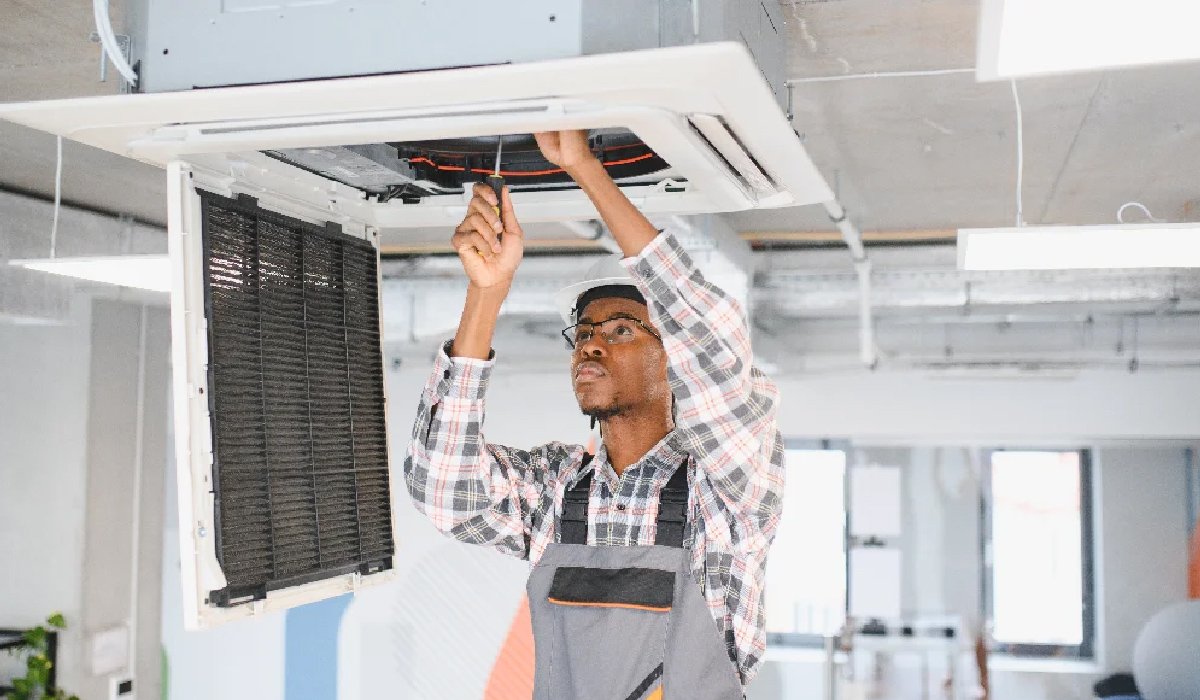
Air conditioning systems are essential for maintaining comfortable indoor environments, especially during hot and humid weather. Whether in residential homes, commercial buildings, or industrial settings, properly functioning air conditioning units provide consistent cooling, improved air quality, and energy efficiency. However, like any mechanical system, air conditioners require regular upkeep to perform at their best. Without proper ac maintenance, units can experience reduced efficiency, increased energy costs, and more frequent breakdowns, ultimately shortening their lifespan.
AC maintenance involves a series of routine inspections, cleaning, and servicing tasks designed to prevent problems before they escalate. By ensuring that every component is operating efficiently, homeowners and building managers can maintain comfortable indoor temperatures, reduce the risk of costly repairs, and extend the life of the system. Understanding the components of an air conditioning system, the benefits of routine maintenance, and the steps involved in proper care is essential for anyone seeking to optimize their cooling system’s performance.
Understanding the Importance of AC Maintenance
Air conditioners are complex systems consisting of various mechanical, electrical, and refrigerant components. The compressor, condenser, evaporator, refrigerant lines, fans, and electrical connections all work together to regulate indoor temperatures. Over time, dust, dirt, debris, and wear can affect these components, reducing efficiency and causing potential failures. Regular ac maintenance addresses these issues proactively, ensuring that the system operates at peak performance.
Neglecting maintenance can lead to several problems, including reduced cooling capacity, higher energy consumption, unusual noises, and refrigerant leaks. These issues not only impact comfort but can also result in costly repairs or even complete system replacement. Routine maintenance prevents minor issues from escalating, protecting both the system and the property. Additionally, well-maintained AC units often operate more quietly and provide more consistent air distribution, enhancing indoor comfort.
Key Components Inspected During AC Maintenance
Proper AC maintenance involves inspecting and servicing several critical components of the system. One of the first areas addressed is the air filter, which traps dust, pollen, and other airborne particles. Dirty or clogged filters restrict airflow, forcing the system to work harder and increasing energy usage. Replacing or cleaning filters regularly is a simple yet effective step in maintaining efficiency.
The condenser and evaporator coils are also critical for heat exchange. Over time, dirt and debris can accumulate on these surfaces, reducing the system’s ability to transfer heat effectively. Cleaning these coils ensures that the ac unit can cool indoor air efficiently. Refrigerant levels must also be checked, as low refrigerant can impair cooling performance and damage the compressor. Electrical components, including wiring, capacitors, and contactors, are inspected for signs of wear, corrosion, or loose connections to prevent malfunctions or electrical hazards.
Benefits of Routine AC Maintenance
Routine ac maintenance offers numerous benefits, both in terms of system performance and long-term cost savings. One of the most significant advantages is improved energy efficiency. When air conditioning units are clean and properly adjusted, they require less energy to achieve the desired temperature, reducing utility bills and environmental impact.
Regular maintenance also extends the lifespan of the system. By addressing minor issues before they escalate, components experience less stress, resulting in fewer breakdowns and longer operational life. Additionally, well-maintained AC units provide better indoor air quality, removing dust, allergens, and contaminants more effectively. This is particularly important for households with children, elderly individuals, or those with respiratory conditions. Reliable cooling, consistent performance, and reduced repair costs make routine ac maintenance an essential investment for property owners.
Seasonal Maintenance Tasks
AC maintenance is often scheduled seasonally to prepare the system for peak usage periods. Before the cooling season begins, technicians typically perform a comprehensive inspection and cleaning. This includes replacing air filters, checking refrigerant levels, cleaning coils, inspecting the thermostat, and verifying airflow throughout the system. Any minor repairs are addressed to prevent disruption during periods of heavy use.
At the end of the cooling season, post-season maintenance ensures that the system is properly prepared for periods of inactivity. Draining condensation, cleaning components, and protecting outdoor units from debris or weather damage helps prevent corrosion, mold growth, and mechanical issues. Following a seasonal maintenance schedule ensures that the air conditioner remains reliable and efficient year-round.
DIY Maintenance Tips
While professional maintenance is crucial, some tasks can be performed by homeowners to support system performance. Regularly checking and replacing air filters, keeping the area around outdoor units clear of debris, and ensuring proper drainage of condensation can help maintain efficiency. Cleaning vents and ensuring that registers are unobstructed also promotes optimal airflow.
However, homeowners should exercise caution when performing tasks that involve electrical components, refrigerants, or internal system parts. Improper handling can lead to safety hazards or damage to the system. Professional ac maintenance ensures that these critical areas are addressed safely and effectively, complementing basic DIY efforts.
Signs Your AC Needs Immediate Attention
Even with regular maintenance, air conditioners may develop issues that require prompt attention. Common warning signs include unusual noises, weak airflow, uneven cooling, higher energy bills, and frequent cycling on and off. Strange odors, water leaks, or visible ice buildup on coils are additional indicators of potential problems. Addressing these issues promptly through professional ac maintenance can prevent further damage and costly repairs, ensuring that the system continues to function reliably.
Choosing a Professional AC Maintenance Service
Selecting a reputable maintenance service is critical to ensuring the effectiveness of routine care. Experienced technicians are trained to identify potential problems, perform thorough inspections, and carry out repairs according to industry standards. Licensed professionals also provide recommendations for system upgrades, component replacements, and efficiency improvements.
When choosing a service provider, consider factors such as experience, certifications, customer reviews, and responsiveness. A reliable maintenance partner ensures that the air conditioning system receives consistent care and that any issues are addressed promptly, providing peace of mind to property owners.
Long-Term Value of AC Maintenance
Investing in regular ac maintenance provides long-term value by reducing energy consumption, preventing costly repairs, and extending the lifespan of the system. Well-maintained units operate efficiently, providing consistent cooling while minimizing environmental impact. Additionally, maintenance supports indoor air quality, comfort, and overall satisfaction for occupants.
Over time, routine maintenance can prevent emergency breakdowns, which are often inconvenient and expensive. By prioritizing professional care and adhering to recommended schedules, homeowners and businesses can maximize the benefits of their air conditioning system for years to come.
Conclusion
AC maintenance is essential for ensuring optimal performance, energy efficiency, and longevity of air conditioning systems. By addressing critical components such as filters, coils, refrigerant levels, and electrical connections, routine maintenance prevents minor issues from escalating into costly problems. Seasonal inspections, professional servicing, and careful attention to warning signs all contribute to a reliable and efficient cooling system.
Whether for a residential home or a commercial property, professional AC maintenance is an investment in comfort, cost savings, and system longevity. Combining expert care with basic homeowner practices ensures that air conditioners perform at their best year-round, providing clean, cool, and comfortable indoor environments while protecting the investment in one of the most essential household appliances.
