


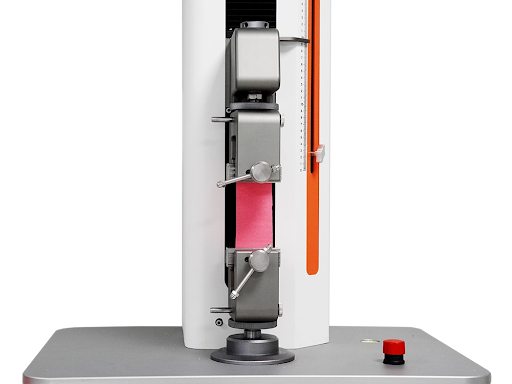
Investing in a Universal Testing Machine (UTM) is a significant decision for any quality control lab, R&D department, or manufacturing facility. One of the first questions that comes to mind is, “What is the UTM testing machine price?”
The answer is complex, as it varies widely based on configuration, capacity, and capabilities. To help you navigate this, we’ll explore the factors influencing cost by taking a close look at a high-end example: the SmartPull Double-Column Tensile Strength Tester. By understanding what goes into a premium machine, you can better assess the value and investment required for your specific testing needs.
The Core Question: What Determines UTM Testing Machine Price?
The price of a UTM isn’t just a number; it’s a reflection of its engineering, precision, and versatility. For dual-column testers like the SmartPull, the cost is driven by several key factors:
- Construction & Stability: The Dual-Column Advantage
A dual-column frame is the foundation of a high-performance UTM. This design provides superior stability and allows for much higher load capacities compared to single-column models. The SmartPull features a robust two-column structure with a trapezoidal base, ensuring a stable platform for critical tests. This enhanced rigidity directly contributes to a higher utm testing machine price but is essential for achieving accurate, repeatable results, especially at higher forces.
- Load Capacity & Precision
The force capacity of a machine is a primary cost driver. The SmartPull model offers a testing capacity of 1000 kg (10 kN), placing it in a versatile mid-to-high range suitable for textiles, rubber, plastics, and composites. Its precision, with a force accuracy of ±1% and a test force range from 0.5% to 100% of the full scale, ensures reliable data. Machines capable of handling higher loads (e.g., 50 kN or more) will see a significant increase in price due to the need for larger load cells, more powerful motors, and a reinforced frame.
- Drive System and Components
The quality of the drive system is critical for smooth, consistent operation. The SmartPull utilizes an AC servo motor and ball screws. This combination provides precise speed control (from 1mm/min to 500mm/min) and a constant, stable pulling force. Cheaper machines may use belt-driven systems which can be less accurate and durable over time, while the servo-ball screw setup is a hallmark of professional-grade equipment that commands a higher price.
- Software & Automation
Modern UTMs are defined by their software. The SmartPull’s intelligent software is a major value-add, offering:
- Automated testing with real-time monitoring.
- Comprehensive data output, including force-elongation curves, graphs, and reports.
- Customizable test programs to meet specific standards.
The software’s ability to handle complex, multi-step tests (with the optional Version C software) and its integration with a dedicated computer system add to the overall system cost but are indispensable for efficient, data-driven labs.
- Versatility & Compliance with International Standards
A machine that can test a wide range of materials and comply with numerous standards is inherently more valuable. The SmartPull is a prime example, meeting rigorous international standards like ISO 13934, ASTM D5034, ISO 9073-3, and many others. Its ability to perform not just tensile tests, but also compression, bending, shear, and peeling tests, makes it a versatile investment. This adaptability, supported by a range of optional fixtures (for yarn, leather, top breaking, etc.), is a key factor in its price point.
- Safety Features & Build Quality
Safety is non-negotiable. Advanced safety features, such as the SmartPull’s intelligent alarm system for real-time torque and displacement monitoring, emergency stop, overload protection, and travel limit mechanisms, protect both the operator and the machine. Furthermore, the collaboration with a German industrial design team for the SmartPull underscores a commitment to premium build quality and longevity, which is reflected in the investment.
Breaking Down the UTM Testing Machine Price Ranges
Based on the features of machines like the SmartPull, we can categorize general price ranges for dual-column tensile testers:
- Basic / Entry-Level Models ($10,000 – $20,000):
These machines are suitable for small labs with simple testing requirements. They typically have lower load capacities (under 5 kN), fewer features, and less sophisticated software. They may not offer the same level of stability or range of test types as higher-tier models. - Mid-Range Models ($20,000 – $50,000):
This category, where the SmartPull is positioned, represents the sweet spot for most industrial and textile labs. It offers a balanced package of robust dual-column construction, reliable AC servo drives, a good load capacity (5-20 kN), comprehensive software, and compliance with a wide array of international standards. This is an investment in reliability, versatility, and long-term performance. - High-End / Advanced Models ($50,000+):
These are for specialized applications in industries like aerospace, automotive, and advanced materials research. They feature very high load capacities (50 kN to hundreds of kN), ultra-high precision, advanced automation, and are built for intensive, continuous use. They are the ultimate in performance but come with the highest price tag.
Is the Investment Worth It?
When evaluating the utm testing machine price, consider the total cost of ownership and the value it brings to your operations. A machine like the SmartPull Double-Column Tensile Tester is more than just a piece of equipment; it’s an investment in:
- Quality Assurance: Ensuring your materials meet stringent specifications.
- R&D Capabilities: Providing the precise data needed for innovation.
- Compliance: Helping you meet critical international standards with confidence.
- Operational Efficiency: With features like automated testing and data reporting, it saves valuable time.
- Long-Term Reliability: Built with high-quality components for years of dependable service.
Conclusion
The utm testing machine price is a direct reflection of its capabilities, construction, and the value it delivers. While entry-level models may seem appealing for their lower cost, investing in a robust, versatile, and precise dual-column tester like the SmartPull ensures you have a reliable partner for your material testing needs. It offers the perfect balance of performance, safety, and compliance, making it a sound investment for any serious testing laboratory.
