


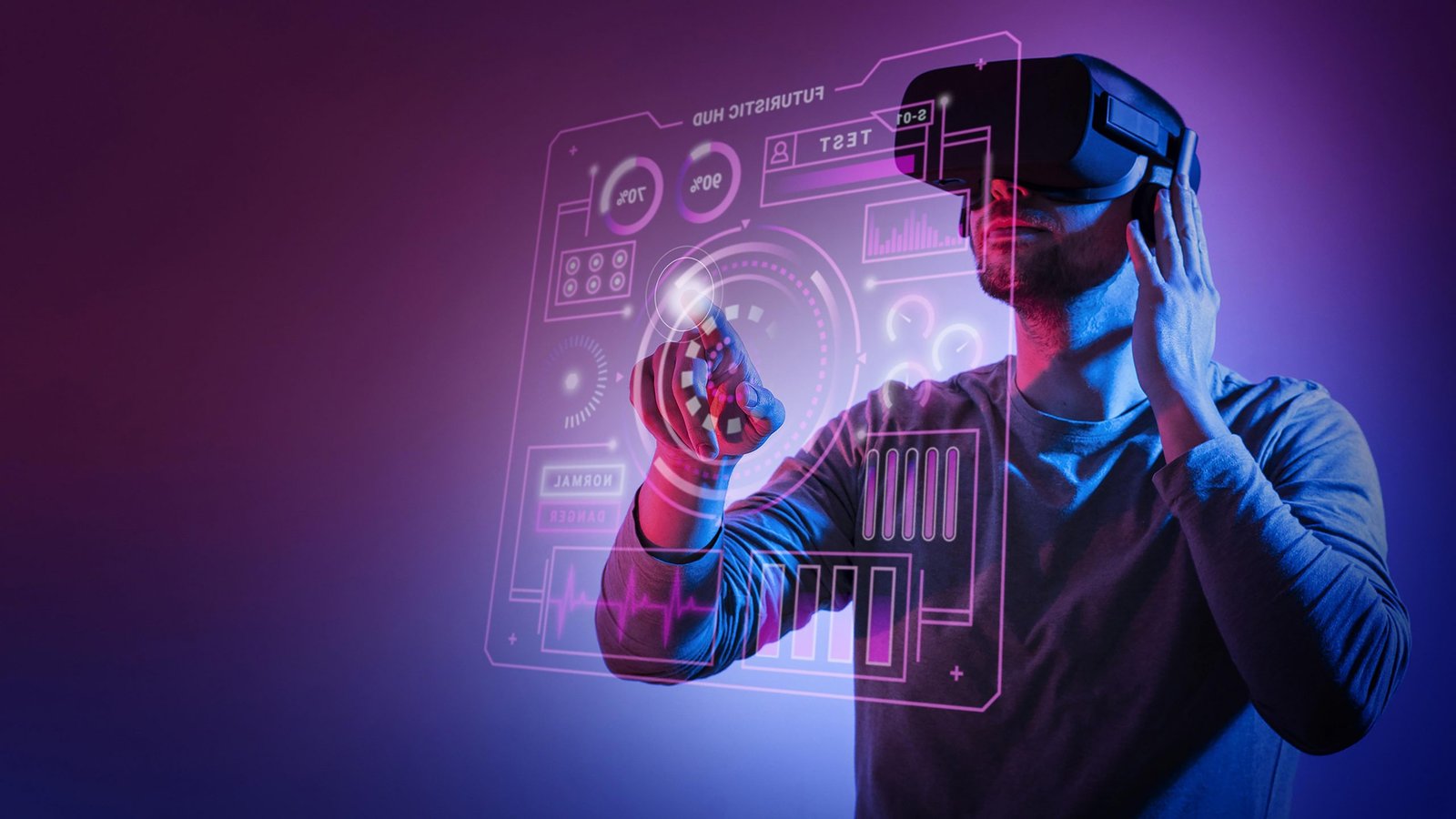
Modern technology is no longer limited to offices, specialists, or technical users. It affects how people work, communicate, shop, learn, and manage everyday tasks. The impact of technology on daily life is now impossible to ignore because it shapes both convenience and behavior.
What Modern Technology Means in Everyday Life
Modern technology refers to the digital tools, devices, and systems that have become integrated into daily routines over the past two decades. This includes smartphones, internet connectivity, cloud services, smart home devices, and the applications that run on these platforms.
The defining characteristic is accessibility. Technology that once required specialized knowledge or expensive equipment is now available to most people through devices they carry constantly. A smartphone provides computing power, communication tools, information access, and entertainment that would have required multiple devices and subscriptions just 15 years ago.
Technology touches almost every part of daily life, often in ways that have become invisible through familiarity. Morning alarms come from phones, not mechanical clocks. News arrives through apps and feeds, not newspapers. Communication happens through messaging, email, and video calls regardless of physical distance.
How Technology Changed the Way People Work
Remote work existed before widespread digital tools, but modern technology made it practical at scale. Video conferencing, instant messaging, and cloud-based collaboration allow distributed teams to work together despite physical separation. This changed where and when work happens. Office presence became optional for many roles. Flexible schedules became feasible through asynchronous communication.
Software automation handles repetitive tasks that previously consumed human time. Automated responses, chatbots, and algorithmic data entry reduce manual labor for routine operations. Small businesses now access tools once limited to large companies.
Instant communication changed expectations around response time. Email created pressure to respond within hours. Messaging apps raised expectations to minutes. This increases apparent productivity but creates constant interruption.
Technology’s Impact on Daily Life Beyond Work
Smart home technology allows remote control and automation of household functions. Thermostats adjust temperature based on occupancy and preferences. Lighting schedules mimic natural patterns or respond to voice commands. Security systems provide real-time monitoring from anywhere.
E-commerce fundamentally changed retail by removing geographic limitations and time constraints. Products available anywhere can be delivered to your door, often within days or hours. Price comparison happens instantly across multiple sellers, shifting power toward consumers.
Smartphones created constant connectivity. Internet access, communication tools, and entertainment are available everywhere, removing the distinction between online and offline environments. The default state shifted from occasionally connected to always connected.
This constant access changed how people use time. Waiting, commuting, or idle moments become opportunities to check messages, consume content, or complete tasks. Downtime nearly disappeared, replaced by constant low-level engagement with devices.
The Benefits of Modern Technology
Information that once required library visits or expert consultation is now available through search engines in seconds. Educational content, how-to guides, and expert knowledge are accessible to anyone with internet connection. This democratization reduced knowledge barriers significantly.
Services previously limited by location became accessible remotely. Telehealth provides medical consultations without travel. Online education offers courses globally. Financial and legal services are available regardless of where you live.
Routine tasks require less time when technology handles logistics. Mobile banking eliminates bank visits. Online bill pay removes check writing. Automated deliveries mean fewer shopping trips. Digital tools reduce mental load by externalizing memory and organization through calendar apps, task lists, and automated reminders.
The Note-Taking Revolution and Information Overload
The way people capture and organize information changed completely with digital tools. An Online Notepad replaced physical notebooks for many users because digital notes sync across devices, become searchable instantly, and never get lost in a drawer. You can jot down a thought on your phone during a meeting and access it later from your laptop without carrying anything physical.
But this convenience created new problems. People collect more information than they process. Digital hoarding replaced physical clutter. Hundreds of notes, bookmarks, and saved articles pile up with good intentions but rarely get reviewed. The ease of saving something for later paradoxically makes it less likely you will engage with it meaningfully.
The same pattern appears across technology. Tools designed to reduce complexity often add their own overhead. Managing multiple apps, platforms, and digital filing systems becomes work itself. The administrative burden of coordinating through various tools can consume the time those tools were supposed to save.
The Disadvantages of Technology in Daily Life
Constant device use reduces attention span and creates habitual checking behaviors. The average person checks their phone dozens of times daily, often without conscious intention. This fragmentation makes sustained focus difficult.
Screen time displaces other activities. Hours spent on devices mean less time for physical activity, face-to-face interaction, or hobbies. The convenience of digital entertainment comes at the cost of activities that might be more fulfilling but require more effort.
Technology requires sharing personal information to function. Location tracking, search history, and purchase patterns create detailed profiles. Data breaches expose personal information beyond individual control. Surveillance becomes normalized through constant device tracking.
Dependence on technology creates vulnerability when systems fail. Losing phone access feels paralyzing because so many functions depend on it. The more integrated technology becomes, the more disruptive failures are.
Technology’s Evolution and User Adaptation
The relationship between technology and users keeps shifting. Consider how Alight Motion 2026 represents this evolution. Earlier versions of video editing software demanded users learn complex interfaces and technical workflows. Modern versions like Alight Motion 2026 adapted to how people actually work, simplifying common tasks while keeping advanced features available for those who need them.
This pattern repeats across technology categories. The best tools evolve based on real usage rather than forcing users to adapt to arbitrary technical constraints. But this evolution happens unevenly. Some technology genuinely becomes easier to use over time. Other technology adds features that create complexity without proportional benefit.
Users face constant pressure to adapt as technology changes faster than humans naturally adjust. New platforms, updated interfaces, and emerging tools require continuous learning. Digital adaptability, the ability to quickly learn and adjust to new technology, becomes an essential skill rather than an optional advantage.
Balancing Technology in Modern Life
The pervasiveness of technology makes intentional boundaries essential. Without deliberate limits, default behavior trends toward constant connectivity and screen time. Creating technology-free periods or spaces requires active effort against the path of least resistance.
Digital balance means using technology as a tool rather than allowing it to dictate behavior. This includes choosing when to engage versus when to disconnect, being selective about which platforms and services to use, and maintaining non-digital activities and relationships.
Practical balance strategies:
- Designate specific times when you disconnect from email and messaging
- Create phone-free zones in your home (bedroom, dining table)
- Practice single-tasking rather than constant device-switching
- Regularly evaluate which apps and services actually add value
Teaching digital literacy and healthy technology use becomes crucial, especially for younger generations growing up with ubiquitous connectivity. Understanding privacy implications, recognizing manipulation tactics, and developing self-regulation skills help navigate technology-saturated environments.
Final Thoughts
Modern technology has made life faster, easier, and more connected. The real advantage comes from using technology with control, awareness, and balance.
Technology amplifies existing human capabilities and tendencies. The tools that save time can also waste it. The platforms that connect people can also isolate them. The systems that provide convenience can also create dependence.
The future will bring deeper integration of technology into daily life. Navigating this successfully requires intentionality about when to embrace technology and when to step back. Use it purposefully in service of a life worth living, rather than allowing it to dictate how life is lived.
