


Hospitals are busy places, and keeping everyone safe is a big job. It’s not just about doctors and nurses; it’s about making sure patients, visitors, and all the staff feel secure. This means having good security systems in place, and that’s where things like hospital security camera systems come in.
They help watch over things, detect problems early, and generally make the hospital a safer spot for everyone.
We’ll look at how these systems work and why they’re so important.
Key Takeaways
- Using hospital security camera systems provides constant watch over facilities, helping to deter bad actions and keep track of what’s happening.
- Smart technology, like intelligent video management and AI cameras, can spot potential problems before they become serious issues.
- Hospitals have unique security needs, from protecting people to controlling who goes where, and systems need to handle these specific challenges.
- Access control is vital for keeping sensitive areas safe and making sure only the right people get in.
- Reliable security, including cameras and clear emergency plans, helps build trust among patients and staff.
Enhancing Hospital Security Through Advanced Technology
When it comes to keeping a hospital safe, just having basic security isn’t enough anymore. We’re talking about advanced tech that really makes a difference. Think about hospital security camera systems; they’re not just for watching, they’re becoming smarter. These systems, like those offered by Alpha Video Surveillance, are key to building better hospital security systems overall.
Leveraging Hospital Security Camera Systems for Comprehensive Surveillance
Modern security cameras do more than just record. They offer a wide view, capturing details that might otherwise be missed. This constant watch helps keep an eye on everything from patient areas to parking lots. It’s about having eyes everywhere, all the time, without needing a huge team physically present.
Intelligent Video Management for Proactive Threat Detection
This is where things get really interesting. Intelligent video management takes the raw footage from your cameras and analyzes it. It can spot unusual activity, like someone lingering in a restricted area or a sudden rush of people. Instead of just reacting to problems, these systems help you see potential issues before they even happen. It’s like having a security guard who can predict trouble.
AI-Powered Security Cameras for Critical Insights
AI takes it a step further. AI-powered cameras can identify specific objects or even behaviors. This means they can flag a dropped bag, recognize a person who shouldn’t be in a certain zone, or even detect if someone is moving unusually. This level of detail provides critical insights that help security teams respond faster and more effectively. It turns passive recording into active protection.
Addressing Unique Healthcare Security Challenges
Hospitals aren’t like your typical office building or shopping mall. They’re busy places, often filled with people who are stressed, scared, or even angry. This mix creates a unique set of security hurdles that need careful handling. We’re talking about keeping patients safe, making sure staff can do their jobs without worry, and protecting visitors from any trouble. Plus, there’s the constant need to keep sensitive areas, like pharmacies or patient records rooms, locked down tight.
Securing Patients, Staff, and Visitors with Robust Systems
Keeping everyone inside a hospital safe is the top priority. This means having systems in place that can handle a wide range of situations. Think about it: you have people coming in for care, staff working long shifts, and visitors trying to support loved ones. All these groups need to feel secure.
It’s about more than just stopping break-ins; it’s about preventing altercations, managing crowds during emergencies, and ensuring that anyone who shouldn’t be there is identified quickly.
Managing Unauthorized Access to Sensitive Areas
Certain parts of a hospital hold critical supplies or private information. We’re talking about medication storage, operating rooms, and areas where patient data is kept. Letting the wrong people into these zones could have serious consequences, from theft of valuable drugs to breaches of patient privacy.
Access control systems are key here, acting like digital gatekeepers to make sure only authorized personnel can get through. This might involve key cards, biometric scanners, or even simple but effective locked doors with strict protocols for who gets a key.
Mitigating Risks of Violence and Theft in Healthcare Settings
Sadly, hospitals can sometimes be targets for theft, whether it’s medical equipment or prescription drugs. They can also be environments where tempers flare, leading to potential violence. Security measures need to be proactive.
This includes having visible security personnel, well-placed cameras that can deter wrongdoers, and systems that can alert staff to unusual activity. It’s a constant balancing act between maintaining a welcoming atmosphere for healing and having a firm grip on security to prevent incidents before they happen.
Implementing Effective Access Control Measures
When we talk about keeping a hospital running smoothly and safely, controlling who goes where is a big piece of the puzzle. It’s not just about locking doors; it’s about making sure the right people can get to the right places at the right times, and that everyone else is kept out of sensitive areas. This helps protect patients, staff, and valuable equipment.
Restricting Entry to Critical Hospital Zones
Think about places like the pharmacy, operating rooms, or areas where sensitive patient data is stored. These aren’t places just anyone should be able to wander into. Access control systems act like a digital bouncer, checking credentials before letting anyone pass.
This could be through key cards, fobs, or even biometric scanners. It’s a straightforward way to stop unauthorized people from getting into high-risk zones, which can prevent theft, protect patient privacy, and keep staff safe from potential harm.
Here’s a look at some common restricted areas and why access control is key:
- Pharmacies: To prevent drug diversion and theft.
- Laboratories: To protect sensitive research and hazardous materials.
- IT Server Rooms: To safeguard critical patient data and hospital systems.
- Maternity Wards: To ensure the safety of newborns and new mothers.
- Narcotic Storage: To strictly control access to controlled substances.
Enhancing Emergency Response with Access Control
During an emergency, whether it’s a fire, a security threat, or a medical crisis, quick and organized action is vital. Access control systems can play a surprising role here. They can be programmed to automatically lock down certain areas to contain a threat or, conversely, unlock specific routes to allow for safe evacuation or quick access for first responders.
Imagine a lockdown scenario; with a few clicks, doors can be secured, preventing anyone from entering a dangerous zone. This kind of control can make a real difference when seconds count.
Having a well-thought-out access control plan means you’re not just reacting to emergencies, but you’re prepared to manage them more effectively. It’s about having systems in place that can adapt to rapidly changing situations.
Deploying Smart Readers and Intercoms for Safeguarded Access
Modern access control goes beyond simple key cards. We’re seeing more advanced readers and intercom systems being installed. Smart readers can handle various forms of identification, including mobile credentials on smartphones, making it easier for staff to get in without fumbling for cards.
Intercom systems, especially at entry points or for restricted areas, allow for two-way communication. This means security can visually and audibly verify someone’s identity before granting access, adding another layer of security. It’s about making access convenient for those who belong, while remaining a strong barrier for those who don’t.
The Role of Surveillance in Hospital Safety
When you think about hospital safety, cameras might not be the first thing that comes to mind. We usually focus on doctors, nurses, and the medical equipment. But honestly, having good surveillance is a big part of keeping everyone safe and sound.
How Hospital Security Camera Systems Deter Threats
Let’s face it, just seeing cameras around can make people think twice before causing trouble. It’s like a silent guardian. Whether it’s someone trying to sneak into a restricted area or a potential conflict brewing, the visible presence of cameras acts as a strong deterrent. This simple visual cue can prevent many incidents before they even start. It helps keep the peace in busy hallways and quiet patient wings alike.
Supporting Investigations with Real-Time Monitoring
Sometimes, despite our best efforts, things happen. That’s where surveillance really shines. If an incident occurs, security cameras provide a clear record of events. This isn’t just about pointing fingers; it’s about understanding what went wrong and how to prevent it from happening again.
Real-time monitoring also means that if something is spotted, security teams can react immediately, potentially stopping a situation from escalating.
Here’s a quick look at what surveillance helps with:
- Deterring unwanted behavior: People are less likely to act out when they know they’re being watched.
- Providing evidence: Clear footage helps in understanding incidents and holding accountable those who break rules.
- Improving response times: Monitoring allows for quicker dispatch of security or medical staff when needed.
- Securing sensitive areas: Cameras can keep an eye on places like pharmacies or data rooms, which are off-limits to most.
Having a well-placed camera system isn’t just about catching bad guys. It’s about creating a safer environment for patients who are vulnerable, for the staff who work tirelessly, and for visitors who are often worried about their loved ones. It adds a layer of security that’s hard to achieve otherwise.
Improving Overall Hospital Security Solutions
Surveillance systems don’t work in a vacuum. They’re a key piece of the bigger security puzzle. When you combine cameras with other security measures, like access control or alarm systems, you get a much stronger defense.
Think of it like building a fortress; you need strong walls, but you also need watchtowers. Cameras are those watchtowers for a hospital. They give security managers a clearer picture of what’s happening across the entire facility, helping them make smarter decisions about where to focus their attention and resources.
Building Trust with Reliable Security Systems
Ensuring Continuous Surveillance for Healthcare Facilities
When it comes to hospitals, you can’t really afford to have blind spots. Consistent, round-the-clock monitoring is non-negotiable. It’s not just about catching problems after they happen; it’s about creating an environment where people feel safe and secure, day in and day out.
This means having systems in place that are always on, always watching, and always ready. Think of it like a hospital’s vital signs monitor – it needs to be constantly checking, even when everything seems fine. This steady presence helps deter unwanted activity and provides a sense of order.
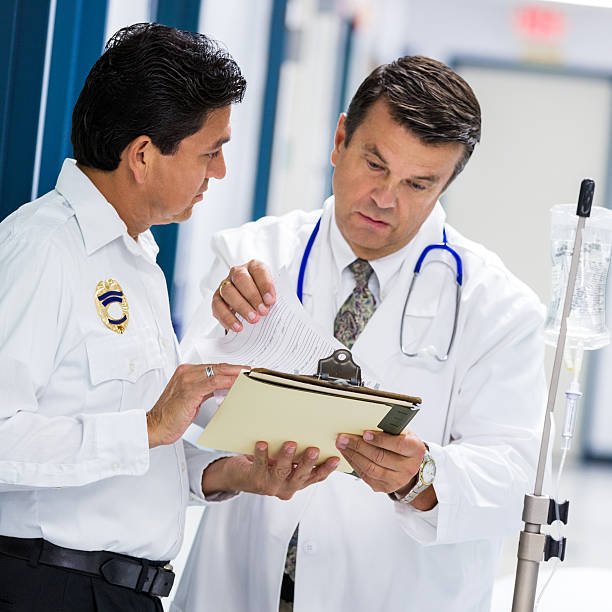
Coordinating Security Efforts with Medical Staff
Security teams and medical staff are basically on the same team, working towards the same goal: patient well-being. But they need to be on the same page. Regular check-ins and clear communication channels are key.
It’s about making sure the security team knows about any specific concerns on a ward, and that the medical staff understands how the security systems work and what to do if something seems off. This collaboration helps prevent misunderstandings and makes sure everyone knows who to talk to when an issue arises.
Here’s a quick look at how coordination helps:
- Shared Awareness: Security knows about patient sensitivities or high-risk areas.
- Clear Protocols: Staff know how to report suspicious activity without causing panic.
- Feedback Loop: Security can inform staff about potential risks they’ve observed.
- Joint Training: Practicing emergency scenarios together builds confidence.
Developing Clear Emergency Response Protocols
Emergencies happen, and when they do, having a plan that everyone knows is a lifesaver. This isn’t just about having a document somewhere; it’s about making sure the procedures are practiced and understood by everyone, from the front desk to the operating room.
What do you do if there’s a fire? What about an unauthorized person trying to get into a sensitive area? Having clear, step-by-step instructions for different situations means less confusion and faster, more effective action when seconds count.
A well-defined emergency plan acts as a roadmap during chaotic moments. It outlines who does what, when, and how, minimizing guesswork and maximizing the chances of a positive outcome. This clarity builds confidence among staff and reassures patients and their families that the hospital is prepared for anything.
Consider these points for your protocols:
- Incident Identification: How to recognize and report different types of emergencies.
- Communication Chains: Who needs to be notified and through what channels.
- Action Steps: Specific tasks for different roles during an event.
- Evacuation/Shelter-in-Place: Clear guidance on movement or staying put.
- Post-Incident Procedures: What happens after the immediate threat is over, including reporting and review.
Integrating Smart Solutions for Hospital Safety
Utilizing Smart Sensors for Environmental Monitoring
Think about it, hospitals are busy places, right? Lots of people, lots of equipment, and a constant need for things to be just so. Smart sensors can really help keep tabs on the environment.
They can monitor things like air quality, which is super important for patient health and infection control. Some sensors can even detect vape smoke or chemicals, giving staff a heads-up before a small issue becomes a bigger problem. It’s like having an extra set of eyes and ears, but for the building itself.
Improving Patient Care Through Faster Response Times
When something unexpected happens, every second counts. Smart sensors can pick up on anomalies, like unusual noise levels or other disturbances, and send instant alerts.
This means hospital staff can get to a patient who might need help much quicker. Imagine a fall detected automatically, or a call for help heard by a sensor. This kind of quick notification can make a real difference in patient outcomes. It’s about using technology to make sure help arrives when it’s needed most.
Maintaining Patient Privacy with Discreet Observation
Privacy is a big deal in hospitals, especially in patient rooms or restrooms. Smart sensors can be designed for discreet observation. They can monitor conditions or detect issues without being intrusive.
This means the hospital can keep an eye on things that matter for safety and care, while still respecting patient privacy. It’s a way to use technology smartly, so it supports care without making people feel watched.
Integrating these smart solutions isn’t just about adding gadgets; it’s about creating a more responsive, aware, and secure environment for everyone within the hospital walls. It’s about making the building itself work smarter to support the people inside it.
Frequently Asked Questions
Why is hospital security so important?
Hospitals are places where people go to get better, so they need to feel safe. Good security helps protect patients, doctors, nurses, and visitors from harm. It also keeps important medical equipment and information safe. When everyone feels secure, healing can happen more easily.
What are some common security problems in hospitals?
Hospitals can face a few issues. Sometimes people try to get into places they shouldn’t, like medicine rooms. Sadly, there can be arguments or even violence. Also, important medical tools might get stolen. Keeping track of who comes and goes is a big part of solving these problems.
How do security cameras help hospitals?
Security cameras are like extra eyes watching over the hospital. They can help stop bad things from happening because people know they are being recorded. If something does happen, the cameras provide video evidence that can help figure out what went wrong and who was involved.
What is access control, and how does it help?
Access control means using things like key cards or special codes to make sure only certain people can enter specific areas. This is really useful for places like pharmacies or areas with sensitive patient records. It’s like having a digital bouncer for important parts of the hospital.
Can technology make hospitals safer?
Yes, technology can really boost hospital safety! Smart cameras can spot unusual activity, and sensors can detect things like smoke or even if someone is making too much noise. This helps staff respond faster to emergencies and keep patients and everyone else safe.
How can hospitals build trust with their security systems?
Trust comes from knowing security is always working. This means having cameras that are always on, clear plans for what to do in emergencies, and making sure the security team works well with the doctors and nurses. When people see that the hospital is serious about safety and has good systems in place, they feel more at ease.
