


Audio quality problems destroy professional credibility faster than most content creators realize. A single recording session ruined by wind noise, breath sounds, or handling interference can waste hours of preparation and force expensive reshoots. The choice between foam covers and furry windscreens for lapel microphones directly impacts whether recordings meet broadcast standards or require extensive post-production cleanup.
Professional audio environments demand consistent results across varying conditions. Content creators working in controlled studio settings face different acoustic challenges than those recording outdoors, conducting interviews in public spaces, or capturing dialogue during live events. The wrong wind protection choice creates operational risks that extend beyond simple audio quality—it affects delivery schedules, client satisfaction, and the overall reliability of production workflows.
Understanding how these two wind protection approaches perform under real working conditions helps content creators make equipment decisions that support their operational requirements rather than compromise them. The differences between foam and furry windscreen performance become critical when consistent audio quality directly affects professional reputation and project success.
Foam Cover Design and Acoustic Performance Characteristics
Foam covers work by creating a buffer zone around the microphone capsule that disrupts air movement without significantly altering the acoustic properties of the original signal. The lapel microphone foam cover approach relies on the porous structure of specialized acoustic foam to absorb wind energy while maintaining relatively transparent frequency response across the vocal range.
The effectiveness of foam-based wind protection stems from its ability to create laminar airflow around the microphone element. When air moves across the foam surface, the material’s cellular structure breaks up turbulent patterns that would otherwise reach the diaphragm and create the characteristic rumbling or whooshing sounds associated with wind interference. This mechanical approach to wind noise reduction works consistently across different environmental conditions.
Foam covers maintain their protective characteristics across temperature variations and humidity changes that commonly occur during location recording. The material properties remain stable whether used in air-conditioned interview rooms or outdoor environments where ambient conditions fluctuate throughout the recording session. This consistency becomes particularly important for content creators who cannot control their recording environment but still need predictable audio results.
Frequency Response Impact and Signal Clarity
Acoustic foam materials designed for microphone applications typically introduce minimal coloration to the recorded signal. The frequency response alteration usually measures less than 3dB across the critical speech frequencies, meaning the natural tonal characteristics of voices remain largely intact. This preservation of signal fidelity becomes crucial when recordings must match existing audio content or meet specific broadcast standards.
The consistent frequency response of foam covers supports post-production workflows by providing predictable audio characteristics that respond well to standard equalization and processing techniques. Audio engineers can apply consistent processing settings across multiple recordings when the wind protection method maintains uniform acoustic properties. This predictability reduces the time required for audio correction and helps maintain consistent sound quality across longer content series.
Durability and Maintenance Requirements
High-quality acoustic foam maintains its protective properties through extensive use cycles without degrading performance. The cellular structure that provides wind protection does not compress or lose effectiveness under normal handling conditions, making foam covers reliable for regular professional use. Content creators can expect consistent performance over hundreds of recording sessions when foam covers are properly maintained.
Cleaning and maintenance procedures for foam covers remain straightforward and compatible with busy production schedules. Most acoustic foams can be cleaned with standard audio equipment cleaning solutions without damaging the material structure or altering acoustic properties. This maintenance simplicity supports operational efficiency by minimizing equipment downtime and ensuring wind protection remains effective across extended use periods.
Furry Windscreen Construction and Wind Isolation Methods
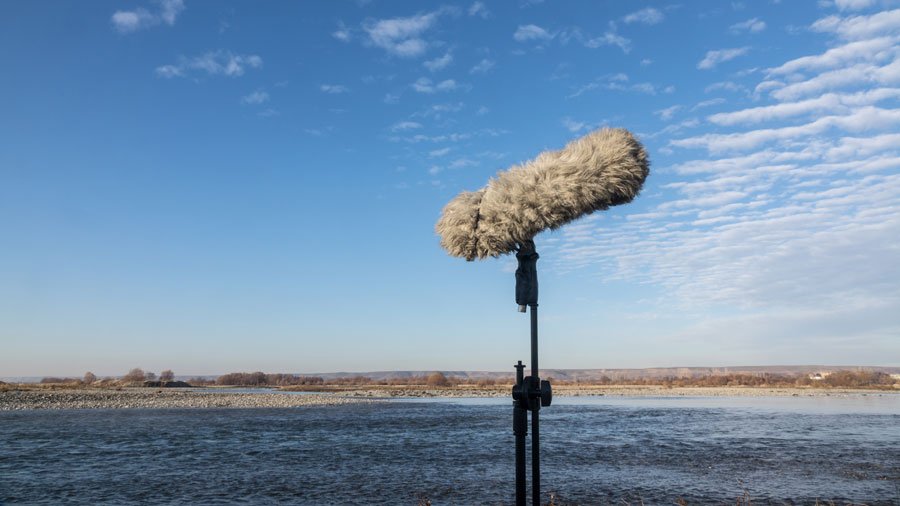
Furry windscreens employ a different approach to wind noise reduction by creating multiple layers of fine synthetic fibers that progressively slow air movement before it reaches the microphone capsule. The long-fiber construction creates a dead air space around the microphone while the outer fiber layers deflect and absorb wind energy through mechanical friction and air displacement.
The effectiveness of furry windscreens increases with wind velocity, making them particularly suitable for outdoor recording environments where conventional foam protection becomes insufficient. According to research on microphone windscreen technology, the multiple-layer approach can provide up to 25dB of wind noise reduction in moderate outdoor conditions, significantly exceeding the protection capabilities of standard foam covers.
Furry windscreen design creates maximum wind protection through the principle of progressive air velocity reduction. As air moves through the outer fiber layers, each successive layer removes additional energy from the airflow, resulting in nearly still air conditions at the microphone capsule. This graduated approach to wind isolation proves especially effective when recording in environments with unpredictable air movement patterns.
Acoustic Transparency and Signal Preservation
The fiber construction of furry windscreens can introduce more noticeable frequency response changes compared to foam alternatives, particularly in the upper frequency ranges where fiber density affects acoustic transmission. Content creators may observe slight high-frequency attenuation that requires compensation during recording or post-production processing. Understanding these acoustic characteristics helps in making appropriate gain and equalization adjustments.
Professional-grade furry windscreens minimize acoustic impact through careful fiber selection and density optimization. Manufacturers design these windscreens to balance maximum wind protection against minimal signal coloration, though some degree of acoustic compromise remains inherent to the high-isolation approach. The trade-off between wind protection and signal transparency becomes a key consideration for different recording applications.
Environmental Adaptability and Performance Consistency
Furry windscreens demonstrate superior performance in challenging outdoor environments where foam covers provide insufficient protection. The multi-layer fiber construction maintains effectiveness across a wider range of wind conditions, making furry windscreens the preferred choice for documentary work, outdoor interviews, and location recording where environmental control is impossible.
Moisture and humidity affect furry windscreen performance differently than foam alternatives. While the synthetic fibers resist water absorption, wet conditions can cause fiber matting that reduces wind protection effectiveness until the windscreen thoroughly dries. Content creators working in variable weather conditions must account for these performance changes when selecting wind protection methods for critical recording sessions.
Application-Specific Performance Comparisons
The choice between foam covers and furry windscreens depends largely on the specific recording environment and operational requirements of individual content creators. Indoor studio work, controlled interview settings, and broadcast applications typically favor foam covers due to their minimal acoustic impact and consistent frequency response characteristics.
Outdoor content creation, documentary work, and location recording in uncontrolled environments generally require the superior wind isolation provided by furry windscreens. The additional wind protection justifies the slight acoustic compromise when environmental conditions would otherwise make recording impossible with standard foam protection.
Studio and Controlled Environment Applications
Foam covers excel in controlled recording environments where air movement comes primarily from HVAC systems, computer fans, or other predictable sources. The minimal acoustic impact ensures recorded material maintains natural tonal characteristics that integrate seamlessly with other audio elements during post-production processing.
Professional studio work often requires multiple microphone setups where consistent acoustic characteristics across all input channels become critical for proper mixing and mastering. Foam covers provide this consistency while offering sufficient wind protection for controlled environment recording without introducing variable acoustic coloration between different microphone positions.
Outdoor and Location Recording Requirements
Furry windscreens become essential when recording in environments with significant air movement that would overwhelm foam-based protection. Documentary interviews, outdoor event coverage, and location-based content creation require wind protection that maintains audio quality despite unpredictable environmental conditions.
Location recording often involves time-sensitive situations where reshooting due to wind noise problems is impractical or impossible. Furry windscreens provide the reliable wind protection necessary to capture usable audio during single-opportunity recording sessions, even when environmental conditions are less than ideal.
Long-term Cost and Operational Considerations
The total cost of ownership for wind protection extends beyond initial purchase price to include replacement frequency, maintenance requirements, and the operational impact of equipment failures during critical recording sessions. Foam covers typically offer lower ongoing costs due to their durability and simple maintenance requirements, while furry windscreens may require more frequent replacement due to fiber wear and environmental exposure.
Professional content creators must also consider the workflow implications of their wind protection choice. Foam covers support faster equipment setup and breakdown procedures, while furry windscreens require more careful handling to maintain fiber condition and optimal performance. These operational factors become increasingly important for content creators managing tight production schedules or multiple recording sessions per day.
Equipment standardization across multiple recording setups favors consistent wind protection approaches that provide predictable results regardless of operator experience or environmental conditions. This standardization simplifies training requirements, reduces the possibility of equipment-related recording failures, and supports consistent audio quality across different content creators within larger production organizations.
Conclusion
The decision between foam covers and furry windscreens ultimately depends on balancing wind protection requirements against acoustic fidelity needs within specific operational contexts. Foam covers provide the optimal solution for controlled environments where minimal acoustic impact and consistent frequency response take precedence over maximum wind isolation. Their durability, maintenance simplicity, and predictable performance characteristics make them ideal for studio work and regular interview applications.
Furry windscreens justify their acoustic compromises when environmental conditions demand superior wind protection that foam alternatives cannot provide. Outdoor content creation, documentary work, and location recording in challenging environments require the enhanced wind isolation that only multi-layer fiber construction can deliver effectively.
Content creators achieve the best results by matching their wind protection choice to their primary recording environment while maintaining backup options for situations that exceed their standard equipment capabilities. This approach ensures consistent audio quality across varying operational requirements while minimizing the risk of recording failures due to inadequate wind protection. Understanding the specific strengths and limitations of each approach enables informed equipment decisions that support long-term content creation success.
