


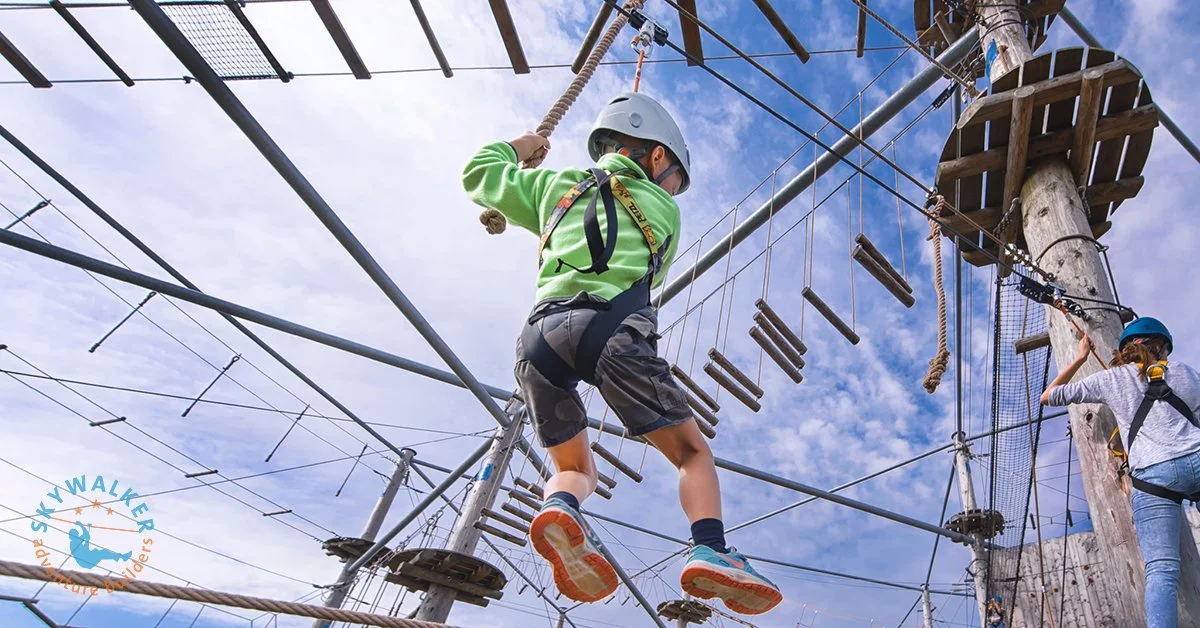
Adventure parks, summer camps, and recreational facilities face a critical decision when expanding their offerings with aerial challenge courses. The initial appeal of building in-house often stems from perceived cost savings and project control, but the financial reality extends far beyond material costs. Insurance requirements, structural engineering demands, and long-term liability considerations create hidden expenses that can exceed $50,000 in additional costs for organizations attempting do-it-yourself approaches.
The complexity of aerial construction projects involves multiple specialized disciplines, from structural analysis to safety system integration. These requirements have evolved significantly as industry standards have tightened and insurance providers have increased scrutiny of facility operations. Understanding the true cost implications of both approaches helps facility managers make informed decisions about resource allocation and risk management.
The Hidden Complexity Behind Aerial Challenge Construction
Professional high ropes course construction involves intricate coordination between structural engineers, safety specialists, and installation teams who understand the specific requirements of aerial recreation facilities. The process begins with comprehensive site analysis that evaluates soil conditions, tree health, environmental factors, and integration with existing infrastructure.
DIY approaches often underestimate these preliminary requirements. Site preparation alone can require specialized equipment rentals, environmental permits, and engineering consultations that quickly accumulate costs. Professional contractors typically have established relationships with engineers and regulatory bodies, streamlining approvals that might take inexperienced teams months to secure.
Engineering Requirements and Structural Analysis
Every aerial challenge course requires structural engineering analysis to ensure load-bearing capacity meets or exceeds safety standards. Engineers must calculate dynamic loads, wind resistance, and long-term material fatigue across multiple connection points and support structures. This analysis involves complex calculations that account for simultaneous participant loads, weather conditions, and material degradation over time.
DIY teams often discover that hiring structural engineers independently costs significantly more than anticipated. Engineers unfamiliar with adventure recreation facilities may require additional research time, increasing consultation fees. They may also specify overly conservative designs or materials that inflate construction costs without providing operational benefits.
Safety System Integration and Redundancy
Modern aerial courses incorporate multiple safety systems that must work together seamlessly. Continuous belay systems, fall arrest mechanisms, and emergency evacuation procedures require precise installation and testing. Each component must meet specific performance standards while maintaining compatibility with other safety elements.
Professional installers understand how different safety systems interact and can identify potential failure points during design phases. DIY installations often require costly modifications after initial construction when safety testing reveals integration problems or regulatory compliance issues.
Material Procurement and Quality Control Challenges
Sourcing appropriate materials for aerial construction involves more than comparing prices from different suppliers. Materials must meet specific industry standards for strength, weather resistance, and longevity. Hardware components require precise specifications that account for load distribution, corrosion resistance, and maintenance accessibility.
Professional contractors maintain relationships with specialized suppliers who understand aerial recreation requirements. They can secure materials that meet industry standards while avoiding products that appear suitable but lack necessary certifications or performance characteristics. This expertise prevents costly material replacements that frequently occur in DIY projects.
Hardware Specifications and Performance Standards
Cables, connectors, anchoring systems, and support hardware must withstand continuous loading cycles while maintaining structural integrity over years of use. Each component requires specific ratings for tensile strength, fatigue resistance, and environmental durability. Substituting lower-grade materials or incorrect specifications creates liability risks and potential safety failures.
DIY teams often select hardware based on apparent similarity to professional specifications without understanding performance differences. This approach can result in premature failures, increased maintenance costs, and potential safety incidents that expose organizations to significant liability.
Weather Resistance and Material Longevity
Outdoor aerial courses face constant exposure to weather conditions that accelerate material degradation. UV radiation, moisture cycles, and temperature fluctuations affect different materials in varying ways. Professional installers select materials based on regional climate conditions and expected usage patterns to optimize longevity and performance.
Inexperienced teams may choose materials that perform adequately in controlled environments but fail prematurely under outdoor conditions. These failures often require complete component replacement rather than simple repairs, multiplying the initial cost savings that motivated DIY approaches.
Insurance and Liability Considerations
Insurance providers scrutinize aerial challenge facilities extensively, requiring documentation of professional installation, regular safety inspections, and compliance with industry standards. Facilities with DIY installations often face higher insurance premiums, coverage limitations, or policy cancellations that can exceed the cost savings from self-installation.
Professional installations typically include comprehensive documentation, warranty coverage, and ongoing support that insurance providers view favorably. This documentation becomes crucial during claim investigations or regulatory inspections where facilities must demonstrate due diligence in safety management.
Documentation Requirements and Regulatory Compliance
Regulatory bodies and insurance providers require detailed records of installation procedures, material certifications, and safety testing results. Professional contractors provide comprehensive documentation packages that satisfy these requirements without additional effort from facility operators.
DIY installations often lack adequate documentation, requiring expensive retrofitting or third-party certifications to meet insurance requirements. The Occupational Safety and Health Administration mandates specific safety standards for recreational facilities that require professional documentation and ongoing compliance monitoring.
Long-term Liability and Risk Management
Facility operators remain liable for safety incidents regardless of installation method. Professional contractors typically carry liability insurance that provides additional protection for facility operators. They also understand industry best practices for ongoing maintenance and inspection that help prevent incidents and demonstrate reasonable care in facility management.
Self-installed facilities assume full responsibility for design adequacy, installation quality, and ongoing safety performance. This responsibility extends beyond initial construction to include long-term maintenance planning and component replacement scheduling that affects operational costs for years.
Operational Impact and Timeline Considerations
Professional installation teams complete projects more efficiently because they understand the logical sequence of construction activities and can avoid common delays that plague inexperienced teams. They coordinate material deliveries, equipment rentals, and subcontractor schedules to minimize project duration and reduce disruption to existing operations.
DIY projects often experience significant delays due to learning curves, material procurement challenges, and coordination difficulties. These delays extend beyond construction timelines to affect revenue generation, staff scheduling, and customer satisfaction during peak operational seasons.
Resource Allocation and Opportunity Costs
Managing DIY construction requires significant time investment from facility management and operations staff. This time commitment reduces focus on core business activities and customer service during construction periods. The opportunity cost of diverted management attention often exceeds the labor savings from DIY approaches.
Professional contractors allow facility operators to maintain normal business operations while construction proceeds. They handle permit applications, inspection scheduling, and regulatory compliance without requiring ongoing involvement from facility management.
Quality Assurance and Performance Testing
Completed installations require comprehensive safety testing and performance verification before opening to participants. Professional installers understand testing protocols and can identify potential issues that might not be apparent to inexperienced evaluators. They also provide training for facility staff on proper operation and maintenance procedures.
DIY installations often require additional third-party testing and certification that adds costs and delays to project completion. Facilities may also need extensive staff training to achieve competency in safety management and maintenance procedures that professional contractors include as standard services.
Long-term Maintenance and Support Requirements
Aerial challenge courses require ongoing maintenance, safety inspections, and component replacements throughout their operational life. Professional contractors typically provide maintenance guidelines, replacement part availability, and technical support that helps facilities manage these requirements efficiently.
DIY installations often lack adequate maintenance documentation or access to replacement parts when components wear out or fail. This situation can result in extended downtime while facility operators research solutions and source appropriate materials independently.
Preventive Maintenance Planning
Effective maintenance programs require understanding of component wear patterns, environmental factors, and usage impacts that affect replacement scheduling. Professional contractors develop customized maintenance plans based on specific facility conditions and expected usage levels.
Facilities with DIY installations must develop maintenance expertise independently, often through expensive trial and error processes. They may also struggle to identify early warning signs of component deterioration that could prevent costly failures or safety incidents.
Technical Support and Problem Resolution
Operational issues inevitably arise during facility operations, requiring technical expertise to diagnose and resolve problems efficiently. Professional contractors provide ongoing support relationships that help facilities address issues quickly and maintain consistent operations.
DIY facilities typically lack access to specialized technical support, requiring time-consuming research and experimentation to resolve operational problems. This limitation can result in extended downtime and lost revenue during peak operational periods.
Conclusion
The decision between DIY and professional aerial challenge course construction involves far more complexity than initial cost comparisons suggest. While professional installation requires higher upfront investment, the hidden costs of DIY approaches often exceed $50,000 when insurance implications, engineering requirements, and long-term operational challenges are properly evaluated.
Facility operators must consider their organization’s technical capabilities, risk tolerance, and long-term operational goals when making this decision. Professional contractors provide comprehensive solutions that address regulatory compliance, safety management, and ongoing support requirements that DIY approaches struggle to match. The apparent cost savings of self-installation frequently disappear when facilities account for the total cost of ownership and operational risk management over the facility’s expected lifespan.
Successful facility operators recognize that aerial challenge courses represent significant long-term investments in customer safety and business sustainability. Professional construction approaches provide the foundation for reliable operations, regulatory compliance, and effective risk management that support sustained business success in the competitive recreational facility market.
