


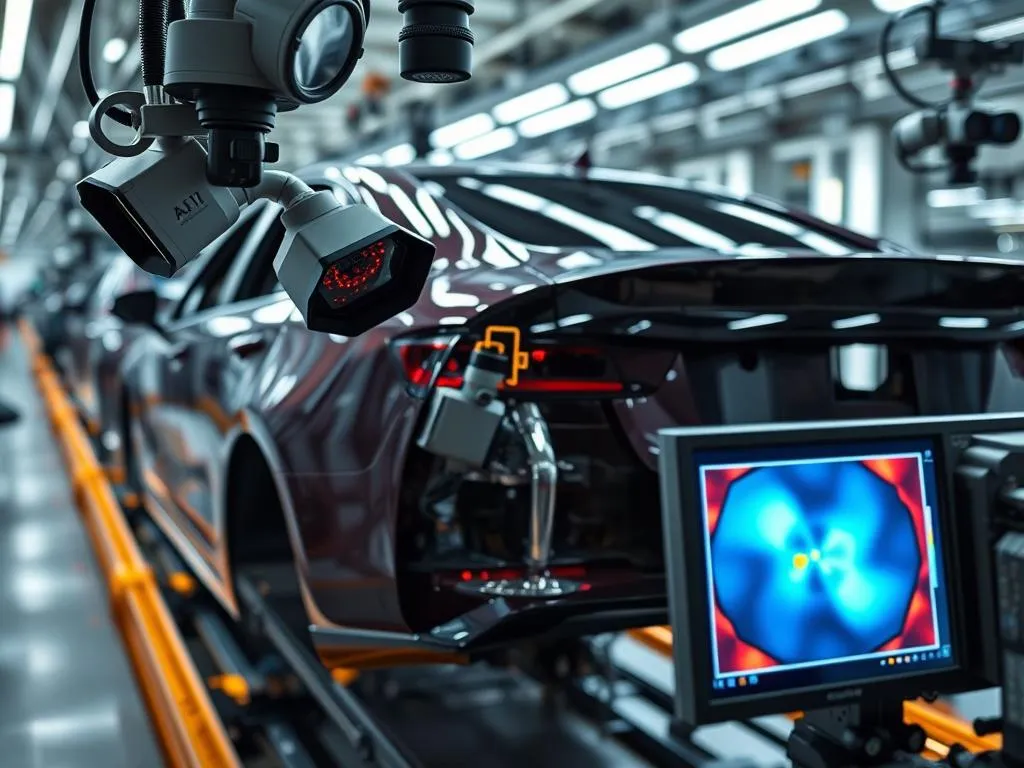
The automotive manufacturing sector faces mounting pressure to deliver consistent quality while managing complex production schedules and maintaining competitive costs. Traditional manual inspection methods struggle to keep pace with modern production demands, creating bottlenecks that ripple through entire manufacturing operations. Quality inconsistencies discovered late in the production process can trigger costly rework, delayed shipments, and strained customer relationships.
Machine vision technology addresses these operational challenges by automating inspection processes that previously required human judgment and manual intervention. This shift represents more than a simple technology upgrade—it fundamentally changes how manufacturers approach quality control, defect detection, and process optimization across their production lines.
Engine Component Inspection Systems
Engine manufacturing demands precision measurements and defect detection capabilities that exceed human visual inspection limits. Machine vision inspection applications in the automotive industry have become essential for validating critical engine components where dimensional accuracy directly impacts performance and reliability. These systems examine cylinder heads, pistons, connecting rods, and crankshafts with consistent accuracy that manual inspection cannot match.
Modern machine vision inspection applications usa manufacturers deploy analyze surface finishes, measure bore diameters, and detect microscopic cracks that could lead to catastrophic engine failure. The technology identifies variations in machined surfaces that indicate tool wear or process drift, enabling predictive maintenance strategies that prevent quality issues before they affect production output.
Critical Measurement Validation
Engine components require measurements accurate to thousandths of an inch, creating inspection challenges that traditional methods handle inconsistently. Machine vision systems capture detailed images of component surfaces and compare them against established tolerances, flagging deviations that require attention. This approach eliminates subjective interpretation while providing documented evidence of quality compliance for regulatory requirements.
The systems also detect subtle variations in casting quality, machining marks, and surface treatments that affect component performance. Manufacturers use this data to adjust upstream processes, reducing scrap rates and improving overall production efficiency.
Surface Defect Detection
Surface imperfections in engine components create stress concentration points that can cause premature failure under operating conditions. Machine vision inspection identifies these defects with consistent reliability, examining areas that human inspectors might miss due to fatigue or distraction. The technology detects scratches, pits, inclusions, and other surface anomalies that compromise component integrity.
This capability proves particularly valuable for high-volume production environments where maintaining inspection consistency across shifts becomes challenging. The systems document defect patterns that help engineers identify root causes and implement corrective actions that prevent recurring quality issues.
Transmission Assembly Verification
Transmission manufacturing involves complex assemblies where component placement, orientation, and engagement directly affect operational performance. Machine vision systems verify that gears, clutches, valves, and electronic components are correctly positioned and properly assembled before final testing. This verification prevents costly rework and reduces warranty claims related to assembly errors.
The technology examines gear tooth engagement, validates component presence, and confirms proper torque converter installation. These inspections occur at multiple stages throughout the assembly process, catching errors early when correction costs remain minimal.
Gear Quality Assessment
Gear manufacturing requires precise tooth profiles and surface finishes that affect noise, vibration, and durability characteristics. Machine vision systems examine individual gear teeth for dimensional accuracy, surface defects, and proper heat treatment results. The inspection process identifies variations that could cause premature wear or operational noise issues.
These systems also verify gear marking and identification codes that enable traceability throughout the vehicle lifecycle. Proper marking ensures that replacement parts match original specifications and maintain performance standards.
Assembly Sequence Verification
Complex transmission assemblies require specific component installation sequences that affect final performance. Machine vision systems monitor assembly operations to confirm that components are installed in correct order and proper orientation. This verification prevents assembly errors that might not become apparent until final testing or field operation.
The systems track component serial numbers and assembly data, creating comprehensive records that support quality investigations and warranty analysis. This documentation proves essential when addressing field issues or implementing design improvements.
Body Panel and Paint Inspection
Automotive body panels require consistent surface quality and precise paint application that meets aesthetic and durability standards. Machine vision systems examine panel surfaces for dents, scratches, contamination, and other defects that affect appearance or corrosion resistance. The technology also validates paint thickness, color consistency, and coverage uniformity across complex panel geometries.
According to the National Institute of Standards and Technology, consistent quality measurement systems improve manufacturing efficiency while reducing waste and rework costs. Machine vision inspection provides the measurement consistency needed to achieve these operational improvements in body panel production.
Surface Defect Analysis
Body panel surfaces must meet strict aesthetic standards while providing adequate corrosion protection and paint adhesion characteristics. Machine vision systems examine panel surfaces under controlled lighting conditions, detecting imperfections that affect paint quality or appearance. The inspection process identifies contamination, surface roughness variations, and preparation inconsistencies that require correction before painting.
These systems operate at production speeds that match line requirements while maintaining inspection accuracy that exceeds human capabilities. The technology documents defect locations and characteristics, enabling targeted repair strategies that minimize rework time and material waste.
Paint Quality Validation
Paint application quality affects both vehicle appearance and long-term durability under operating conditions. Machine vision systems examine painted surfaces for color consistency, thickness uniformity, and coverage completeness. The inspection process detects runs, sags, contamination, and other defects that compromise paint performance or aesthetic appeal.
The systems also verify that paint coverage extends properly into complex panel geometries where corrosion protection becomes critical. This verification ensures that vehicles meet durability standards while maintaining consistent appearance quality across production runs.
Electrical Component and Wiring Inspection
Modern vehicles contain extensive electrical systems where component placement, connection integrity, and wiring routing affect operational reliability. Machine vision systems verify that connectors are properly seated, wires follow designated paths, and electrical components are correctly oriented and secured. This inspection prevents electrical failures that could affect vehicle safety or performance.
The technology examines connector pin alignment, validates component part numbers, and confirms proper strain relief installation. These inspections become increasingly important as vehicle electrical complexity continues expanding with advanced driver assistance systems and electrification technologies.
Connector Assembly Verification
Electrical connectors require precise assembly that ensures reliable electrical contact and mechanical retention under operating conditions. Machine vision systems examine connector assemblies to confirm proper pin insertion, adequate retention force, and correct orientation relative to mating components. The inspection process detects incomplete assemblies that could cause intermittent electrical faults or complete connection failures.
These systems also verify that connector seals and protective covers are properly installed to prevent moisture intrusion and contamination. This verification proves critical for connectors exposed to harsh operating environments where electrical reliability becomes essential for vehicle safety.
Wiring Harness Validation
Wiring harnesses must follow designated routing paths that prevent interference with moving components while maintaining proper electrical performance. Machine vision systems verify that harnesses are correctly routed, adequately secured, and properly protected from abrasion or heat damage. The inspection process confirms that wire bundles maintain required separation distances and clearances.
The systems also examine wire terminations, splice connections, and protective coverings that affect harness durability and reliability. This examination ensures that electrical systems perform consistently throughout vehicle operating life while meeting safety and regulatory requirements.
Safety System Component Inspection
Vehicle safety systems demand inspection precision that ensures reliable operation during emergency conditions. Machine vision systems examine airbag components, seatbelt mechanisms, brake system parts, and other safety-critical components where manufacturing defects could compromise passenger protection. The technology provides inspection consistency that meets strict safety standards and regulatory requirements.
These inspections verify dimensional accuracy, surface quality, and material properties that directly affect safety system performance. The systems document inspection results that support compliance verification and provide traceability for safety investigations.
Airbag System Validation
Airbag systems require precise manufacturing that ensures proper deployment timing, inflation characteristics, and passenger protection effectiveness. Machine vision systems examine airbag fabrics, inflator components, and mounting hardware for defects that could affect system performance. The inspection process validates seam quality, material thickness, and component assembly integrity.
These systems also verify that airbag components are properly marked and oriented for correct installation in vehicle assemblies. Proper component identification prevents assembly errors that could compromise airbag system effectiveness during deployment events.
Brake Component Analysis
Brake system components must meet strict quality standards that ensure consistent stopping performance and long-term reliability. Machine vision systems examine brake pads, rotors, calipers, and hydraulic components for dimensional accuracy, surface defects, and material inconsistencies. The inspection process identifies variations that could affect braking performance or cause premature component wear.
The systems validate that friction materials meet specified thickness requirements and surface characteristics that provide consistent braking performance. This validation ensures that brake systems deliver reliable stopping power throughout their service life while meeting safety regulations and performance standards.
Conclusion
Machine vision inspection applications continue reshaping quality control practices across US automotive manufacturing operations. These systems provide inspection consistency and accuracy that manual methods cannot achieve while operating at production speeds that match modern manufacturing requirements. The technology addresses operational challenges related to quality variability, inspection bottlenecks, and documentation requirements that affect manufacturing efficiency and customer satisfaction.
Implementation success depends on understanding specific inspection requirements, selecting appropriate vision system capabilities, and integrating the technology effectively with existing production processes. Manufacturers who adopt these systems strategically position themselves to meet increasing quality expectations while maintaining competitive production costs and delivery schedules. The continued evolution of machine vision technology promises additional capabilities that will further enhance quality control effectiveness and manufacturing operational performance.
