


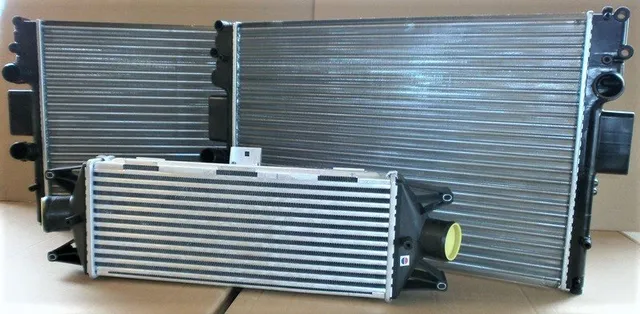
Material handling operations face constant pressure to maintain equipment uptime while managing operational costs. When cooling system components fail in industrial environments, the consequences extend beyond simple repair expenses to include productivity losses, workflow disruptions, and potential safety concerns. Understanding the fundamental differences between cooling systems designed for different vehicle types becomes essential when managers must make decisions about replacement parts, maintenance schedules, and long-term fleet reliability.
The assumption that radiators function identically across vehicle types often leads to costly mistakes in industrial settings. While the basic principle of heat dissipation remains consistent, the operational demands, environmental conditions, and performance requirements create distinct engineering challenges that separate industrial equipment cooling from standard automotive applications. These differences directly impact equipment longevity, maintenance frequency, and operational consistency in warehouse and manufacturing environments.
Operating Environment Demands Shape Cooling System Design
Industrial material handling equipment operates in environments that create unique thermal management challenges compared to over-the-road vehicles. A forklift radiator must function effectively in confined spaces where ambient temperatures often exceed normal ranges due to building heating, adjacent machinery, and limited ventilation. These conditions require cooling systems engineered specifically for sustained operation in high-temperature environments without the benefit of highway-speed airflow.
Warehouse and manufacturing facilities expose cooling systems to airborne contaminants that differ significantly from road conditions. Fine particulate matter from packaging materials, metal filings from machining operations, and chemical vapors from industrial processes create fouling patterns that standard automotive radiators cannot handle effectively. The closed-loop nature of many industrial facilities means these contaminants concentrate over time, requiring cooling system designs that account for reduced air quality and frequent cleaning cycles.
Airflow Patterns in Industrial Applications
Material handling equipment relies primarily on fan-driven airflow rather than the ram air effect available to highway vehicles. This fundamental difference affects heat transfer efficiency and requires radiator core designs optimized for lower air velocities. The intermittent nature of forklift operation, with frequent stops and starts, creates thermal cycling patterns that demand different fin geometries and tube arrangements compared to systems designed for sustained highway speeds.
Building layouts often restrict natural airflow around equipment, creating heat pockets that affect cooling performance. Equipment operators frequently work in areas where cross-ventilation is limited, meaning cooling systems must perform effectively with minimal external air movement. This operational reality drives design decisions toward higher surface area configurations and enhanced fan systems that can move sufficient air volumes in restricted spaces.
Temperature Cycling and Load Variations
Industrial equipment experiences rapid temperature changes as load conditions shift throughout operational cycles. Heavy lifting operations generate significant heat loads that must be dissipated quickly, followed by periods of reduced thermal stress during transport or positioning phases. This cycling pattern requires cooling systems capable of rapid response to changing thermal demands without compromising long-term reliability.
The hydraulic systems common in material handling equipment generate heat loads that differ from internal combustion engine patterns. Hydraulic oil temperatures can spike rapidly under heavy load conditions, creating cooling demands that standard automotive radiators cannot address effectively. Integrated cooling systems must manage multiple heat sources simultaneously while maintaining optimal operating temperatures across all systems.
Construction and Material Requirements
Industrial cooling systems require construction methods and materials selected specifically for harsh operating conditions and extended service life. The vibration patterns generated by material handling equipment differ significantly from road vehicles, creating stress concentrations that can cause premature failure in components not designed for industrial applications. Mounting systems, core construction, and connection methods must account for multi-directional vibration and shock loads that exceed typical automotive specifications.
Chemical resistance becomes critical in industrial environments where cleaning agents, hydraulic fluids, and process chemicals can contact cooling system components. Standard automotive radiators often use materials and coatings optimized for road salt and weather exposure, which may not provide adequate protection against industrial chemicals. The selection of aluminum alloys, copper compositions, and protective coatings must consider the specific chemical environment where equipment operates.
Core Design and Heat Transfer Efficiency
The fin density and tube configuration in industrial radiators must balance heat transfer efficiency with fouling resistance. Higher fin densities improve heat transfer but create narrow passages that clog quickly in dusty environments. Industrial applications often require cores designed with wider fin spacing and enhanced cleaning access, accepting some reduction in peak efficiency to maintain consistent performance over extended service intervals.
Tube wall thickness and joint construction methods differ between automotive and industrial applications due to pressure cycling and vibration exposure. Industrial hydraulic systems often operate at higher pressures than automotive cooling systems, requiring enhanced tube construction and joint integrity. The thermal expansion patterns in industrial equipment may also differ due to operating temperature ranges and ambient conditions, affecting stress distribution throughout the core assembly.
Mounting and Integration Considerations
Industrial equipment mounting systems must accommodate the space constraints and access requirements typical of material handling vehicles. Engine compartments are often smaller and more densely packed than automotive applications, requiring radiator designs that maximize cooling capacity within limited space envelopes. Access for maintenance and cleaning must be preserved while ensuring adequate airflow and protection from damage during normal operations.
The integration with hydraulic oil cooling systems creates additional complexity in industrial applications. Many material handling vehicles require integrated cooling solutions that manage both engine coolant and hydraulic oil temperatures through shared or adjacent cooling cores. This integration affects airflow management and requires careful consideration of temperature differentials and thermal interaction between cooling circuits.
Maintenance Requirements and Service Life
Industrial cooling systems typically operate under more demanding maintenance schedules compared to automotive applications due to contamination exposure and operating intensity. The Environmental Protection Agency regulations governing industrial equipment often require extended service intervals, placing additional demands on cooling system durability and reliability. Components must maintain performance effectiveness between scheduled maintenance periods while operating in environments that accelerate fouling and wear.
Access for routine maintenance differs significantly between industrial and automotive applications. Material handling equipment often provides better access to cooling system components compared to modern automotive designs, but the maintenance must often be performed in active work environments with limited downtime windows. This operational constraint requires cooling systems designed for rapid inspection and cleaning procedures that minimize equipment unavailability.
Cleaning and Fouling Management
Industrial environments create fouling patterns that require specific cleaning approaches and access provisions. The combination of oil mist from hydraulic systems, fine particulate matter from material handling operations, and ambient dust creates deposits that standard automotive cleaning procedures cannot address effectively. Cooling system designs must incorporate features that facilitate thorough cleaning while maintaining core integrity under repeated cleaning cycles.
The frequency of required cleaning varies significantly based on operating environment, but industrial applications generally require more frequent attention than automotive systems. Warehouse operations may require weekly cleaning in high-dust environments, while outdoor material handling may follow different schedules based on seasonal conditions. The cooling system design must accommodate this maintenance intensity without degrading performance or requiring component replacement.
Component Replacement and Availability
Industrial equipment often requires longer component availability periods compared to consumer vehicles due to extended service life expectations. Material handling equipment may remain in service for decades, requiring cooling system components that maintain availability throughout the equipment lifecycle. This requirement affects material selection, manufacturing processes, and supplier relationships in ways that differ from automotive aftermarket considerations.
The cost structure of component replacement in industrial applications emphasizes reliability over initial cost. Downtime expenses in material handling operations often exceed component costs significantly, creating different decision criteria for replacement part selection. This economic reality drives demand for cooling system components engineered for extended service life even when initial costs exceed automotive alternatives.
Performance Optimization for Specific Applications
Industrial cooling systems require optimization for duty cycles and load patterns that differ fundamentally from automotive applications. Material handling equipment often operates in repetitive cycles with predictable load patterns, allowing cooling system designs tailored to specific operational profiles. This specialization can improve efficiency and reliability compared to general-purpose automotive designs that must accommodate widely varying operating conditions.
The power-to-weight ratios common in industrial equipment create thermal management challenges that require different approaches from automotive applications. Compact material handling vehicles often generate significant heat loads relative to their size, requiring cooling systems with enhanced capacity within space constraints. The optimization process must balance cooling capacity, physical size, and operational efficiency while maintaining reliability under demanding conditions.
Load Management and Thermal Response
Industrial applications often involve sustained high-load operations that create steady-state thermal conditions different from automotive driving patterns. Extended lifting operations, continuous travel under load, and repetitive positioning tasks generate consistent heat loads that require cooling systems optimized for sustained capacity rather than peak performance. This operational pattern affects fan sizing, core capacity, and overall system design priorities.
The thermal response characteristics required for industrial applications may differ from automotive requirements due to safety considerations and operational efficiency needs. Rapid temperature recovery following high-load operations helps maintain productivity and prevents thermal-related equipment limitations. Cooling systems must provide sufficient capacity to restore optimal operating temperatures quickly while maintaining long-term reliability under repeated thermal cycling.
Conclusion
The fundamental differences between forklift and truck radiator applications reflect the distinct operational realities of industrial versus automotive environments. Material handling equipment operates under conditions that demand specialized cooling solutions engineered for confined spaces, contaminated air, and intensive duty cycles that standard automotive components cannot address effectively. The selection of appropriate cooling system components directly impacts equipment reliability, maintenance requirements, and operational costs in industrial settings.
Understanding these differences enables informed decisions about cooling system maintenance, component replacement, and long-term fleet management. Industrial operations benefit from cooling solutions designed specifically for their operational demands rather than adapted from automotive applications. This approach supports sustained equipment performance, reduces unplanned downtime, and contributes to overall operational efficiency in material handling environments.
