


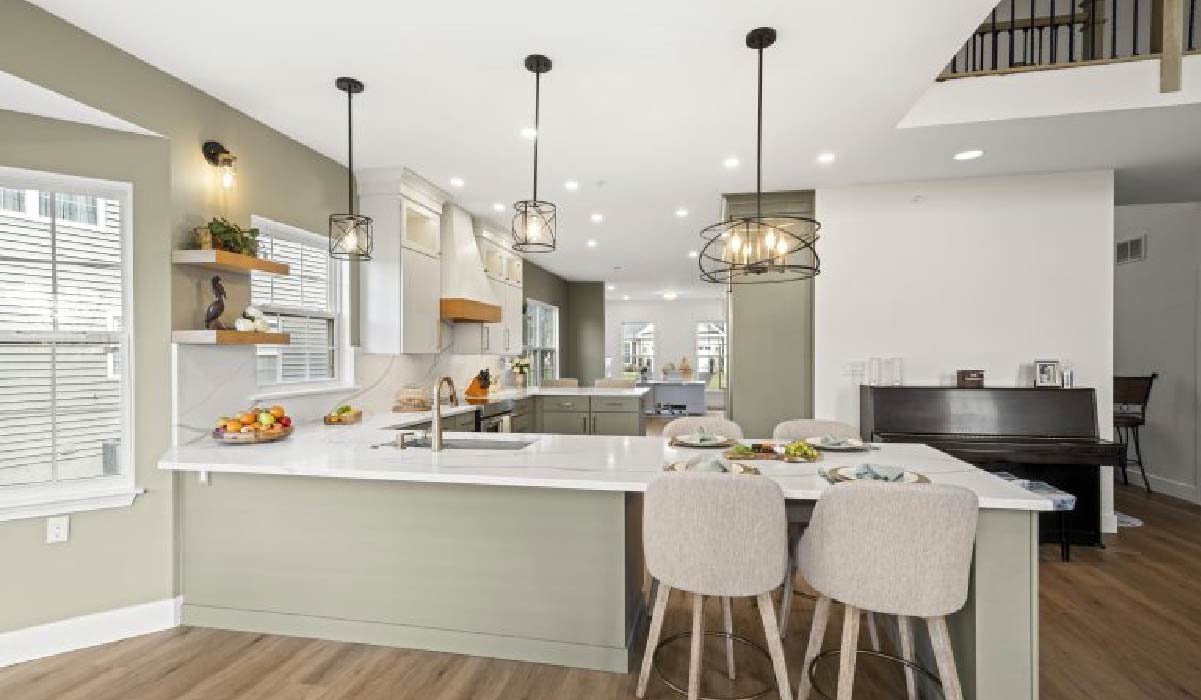
The kitchen has long been considered the heart of the home, a place where meals are prepared, conversations unfold, and memories are created. Over time, however, even the most well-loved kitchen can begin to show signs of wear, outdated design, or inefficient layout. Kitchen remodeling offers homeowners the opportunity to reimagine this essential space, combining improved functionality with modern aesthetics and enhanced property value. Whether the goal is to create a more open layout, upgrade appliances, increase storage, or simply refresh the overall appearance, a well-planned renovation can dramatically transform daily living.
Kitchen remodeling is more than a cosmetic update. It involves thoughtful planning, design considerations, budgeting, and coordination between various trades such as cabinetry, plumbing, electrical, flooring, and lighting says Balanced Asset Solutions team. When executed carefully, a remodel not only elevates visual appeal but also improves workflow, energy efficiency, and long-term durability. Understanding the process and key considerations helps homeowners make informed decisions and achieve satisfying results.
Why Kitchen Remodeling Is a Smart Investment
One of the primary motivations for kitchen remodeling is the desire to enhance both comfort and functionality. Older kitchens often lack sufficient counter space, storage solutions, or modern appliances. Cabinets may be worn, countertops outdated, and layouts inefficient for contemporary lifestyles. By redesigning the space, homeowners can create a kitchen that better suits their cooking habits, family size, and entertaining needs.
In addition to improving daily life, remodeling significantly increases property value. Real estate professionals consistently rank kitchen upgrades among the top home improvements for return on investment. A modern, well-designed kitchen appeals strongly to potential buyers, making the home more competitive in the market. Even modest upgrades such as new countertops, improved lighting, or updated cabinetry can make a noticeable difference.
Energy efficiency is another compelling reason for renovation. Replacing outdated appliances with energy-efficient models reduces utility costs while supporting environmentally conscious living. Improved insulation, LED lighting, and water-saving fixtures further contribute to long-term savings and sustainability.
Planning a Successful Kitchen Remodel
Effective planning is the cornerstone of any successful remodeling project. Before selecting materials or appliances, homeowners should assess their goals and priorities. Determining whether the focus is on aesthetics, storage expansion, layout improvement, or a complete structural transformation helps guide design decisions.
Budget planning is equally essential. Kitchen remodeling costs can vary significantly depending on the scale of the project, material selections, and labor requirements. Establishing a realistic budget ensures that expectations align with available resources. It is wise to allocate a contingency fund to address unexpected issues, such as plumbing repairs or structural adjustments discovered during demolition.
Design considerations should balance style with practicality. While trends can provide inspiration, timeless elements often offer greater longevity and resale appeal. Consulting with experienced designers or contractors can provide valuable insights into layout optimization, material durability, and code compliance.
Key Elements of Kitchen Remodeling
A comprehensive remodel typically addresses several core components, each contributing to the kitchen’s overall function and appearance.
Layout and Space Optimization
The layout determines how efficiently the kitchen operates. Traditional layouts include L-shaped, U-shaped, galley, and open-concept designs. Modern remodeling projects often focus on creating open floor plans that connect the kitchen to dining and living areas, fostering social interaction.
The concept of the “work triangle,” which positions the sink, stove, and refrigerator within close proximity, remains a fundamental principle in efficient kitchen design. However, contemporary kitchens may expand this concept to accommodate multiple cooks and larger spaces.
Cabinetry and Storage Solutions
Cabinets are one of the most significant visual and functional components of a kitchen. Replacing outdated cabinets or refacing existing ones can dramatically alter the room’s appearance. Modern storage solutions such as pull-out shelves, deep drawers, and built-in organizers enhance accessibility and reduce clutter.
High-quality cabinetry materials ensure durability and long-term satisfaction. Soft-close hinges, sturdy hardware, and moisture-resistant finishes add convenience and resilience.
Countertops and Surfaces
Countertops serve as both workspaces and design focal points. Popular materials include quartz, granite, marble, and solid surfaces, each offering distinct advantages in durability and maintenance. Selecting a material that aligns with lifestyle needs and aesthetic preferences is essential for long-term satisfaction.
Backsplashes complement countertops while protecting walls from moisture and stains. Creative tile designs, glass panels, or stone accents can add character and texture to the overall design.
Appliances and Technology
Upgrading appliances during kitchen remodeling in Phoenixville improves both performance and energy efficiency. Modern refrigerators, ovens, dishwashers, and cooktops often feature smart technology, enabling remote monitoring and precise temperature control.
Integrating appliances seamlessly into cabinetry creates a cohesive and streamlined look. Stainless steel remains a popular choice, but matte finishes and custom paneling are gaining popularity for a more personalized appearance.
Lighting and Electrical Enhancements
Lighting significantly influences the ambiance and functionality of a kitchen. A well-designed lighting plan typically combines task lighting, ambient lighting, and accent lighting. Under-cabinet lighting improves visibility during food preparation, while pendant lights above islands create visual interest.
Upgrading electrical systems ensures safe operation of modern appliances and supports additional outlets or charging stations. Energy-efficient LED fixtures reduce electricity consumption and provide long-lasting illumination.
Flooring and Finishes
Durable flooring materials such as tile, hardwood, or luxury vinyl offer resilience against spills and heavy foot traffic. The choice of flooring should balance aesthetics with maintenance requirements. Coordinating finishes across cabinetry, countertops, and flooring creates a cohesive design that feels intentional and harmonious.
Avoiding Common Remodeling Mistakes
While kitchen remodeling offers tremendous benefits, certain pitfalls can hinder success. One common mistake is underestimating the budget, leading to incomplete projects or compromised material quality. Thorough planning and transparent communication with contractors help mitigate this risk.
Another frequent error is prioritizing appearance over functionality. A visually stunning kitchen that lacks adequate storage or workspace may cause frustration in daily use. Balancing beauty with practicality ensures long-term satisfaction.
Failing to plan for proper ventilation can also create issues. Installing an effective range hood prevents lingering odors and maintains air quality. Attention to detail in these functional aspects contributes to a more comfortable environment.
The Remodeling Timeline
The timeline for kitchen remodeling varies depending on project scope. Minor updates such as cabinet refacing or countertop replacement may take a few weeks, while full renovations involving structural changes can extend over several months. Clear communication between homeowners and contractors helps maintain realistic expectations and minimize disruptions.
During renovation, temporary arrangements for meal preparation may be necessary. Planning ahead for alternative cooking spaces or dining options reduces inconvenience during construction.
Long-Term Benefits of Kitchen Remodeling
Beyond immediate aesthetic improvements, kitchen remodeling offers enduring advantages. A well-designed kitchen enhances daily routines, simplifies meal preparation, and encourages family interaction. Increased storage and optimized layouts reduce clutter and improve organization.
Financially, remodeling often yields substantial returns when selling the home. Prospective buyers frequently prioritize updated kitchens, viewing them as a sign of overall property care and modern living standards.
Emotionally, a refreshed kitchen can reignite enjoyment in cooking and entertaining. The transformation of a central living space often influences the overall atmosphere of the home, creating a renewed sense of pride and comfort.
Conclusion
Kitchen remodeling in Phoenixville is a transformative investment that enhances functionality, aesthetic appeal, and property value. By carefully planning layout changes, selecting durable materials, upgrading appliances, and prioritizing efficient design, homeowners can create a kitchen that meets modern needs while reflecting personal style.
From improved workflow and storage solutions to energy efficiency and increased resale potential, the benefits of remodeling extend far beyond surface-level upgrades. With thoughtful preparation and professional guidance, kitchen remodeling can turn an outdated space into a vibrant, efficient, and welcoming heart of the home for years to come.
